?

Wall thicknesses up to 5 mm

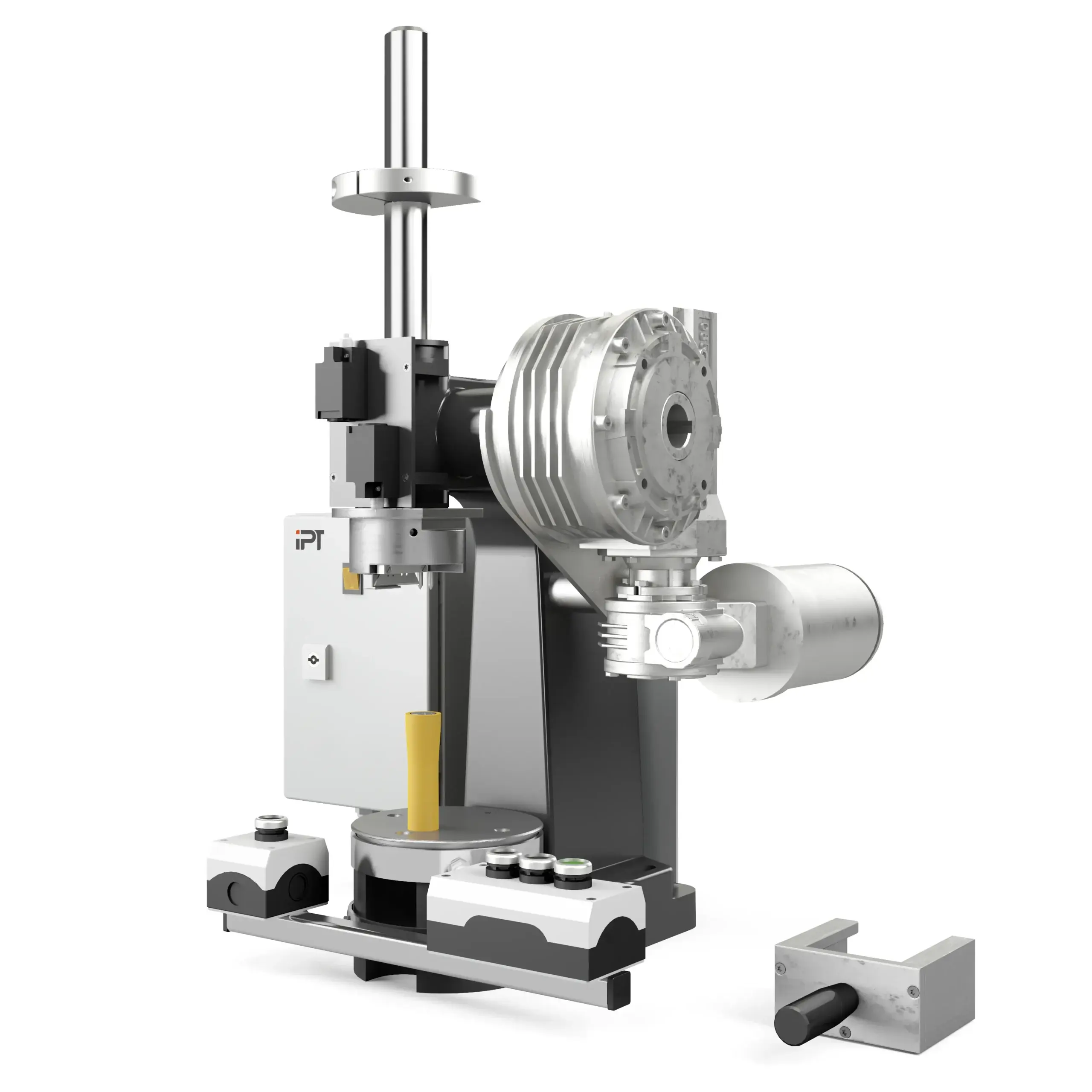
CONE TESTER

Precisely notched

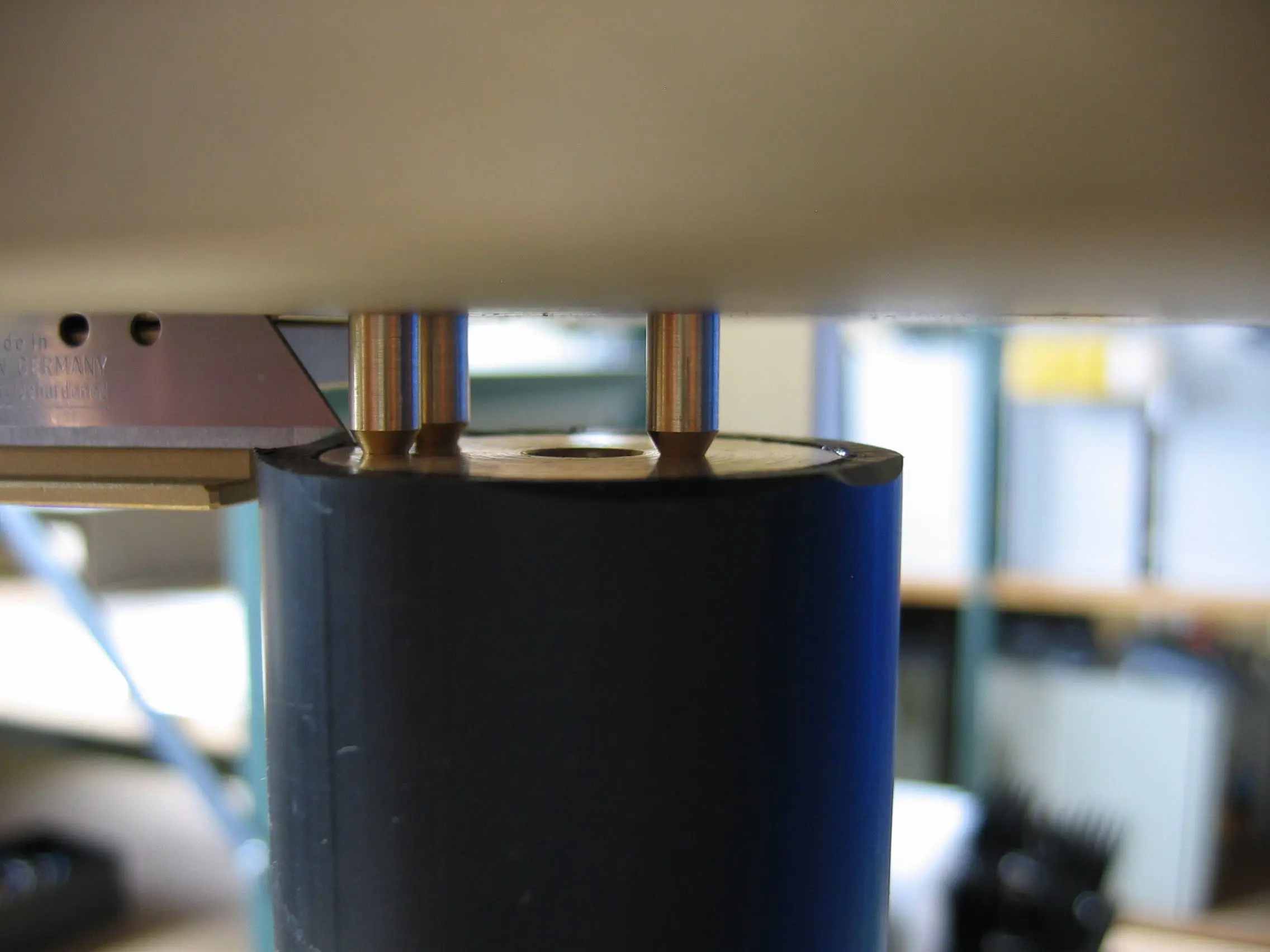
For the preparation of a sample for determining resistance to slow crack growth. The sample is a plastic pipe made of polyethylene with a wall thickness of max. 5 mm. A cone is driven into the sample using the tester. This causes a constant tension. A notch is then added at the end of the sample. The actual measurement of crack propagation is carried out 80°C in a tank (not included in the scope of delivery). The crack propagation growth over time is documented as a measurement result.

Standards

Keine Standards gefunden

  • ISO 13480

Downloads

Features and Functionality

The cone test method

The ISO 13480 standard specifies a cone test method for evaluating the resistance of polyethylene pipes to slow crack growth. This test method, which is useful for pipes with a smaller diameter in particular, measures the speed of crack propagation in a notched tubular ring which is exposed to constant ring expansion and is immersed in a surface-active solution at an increased temperature.
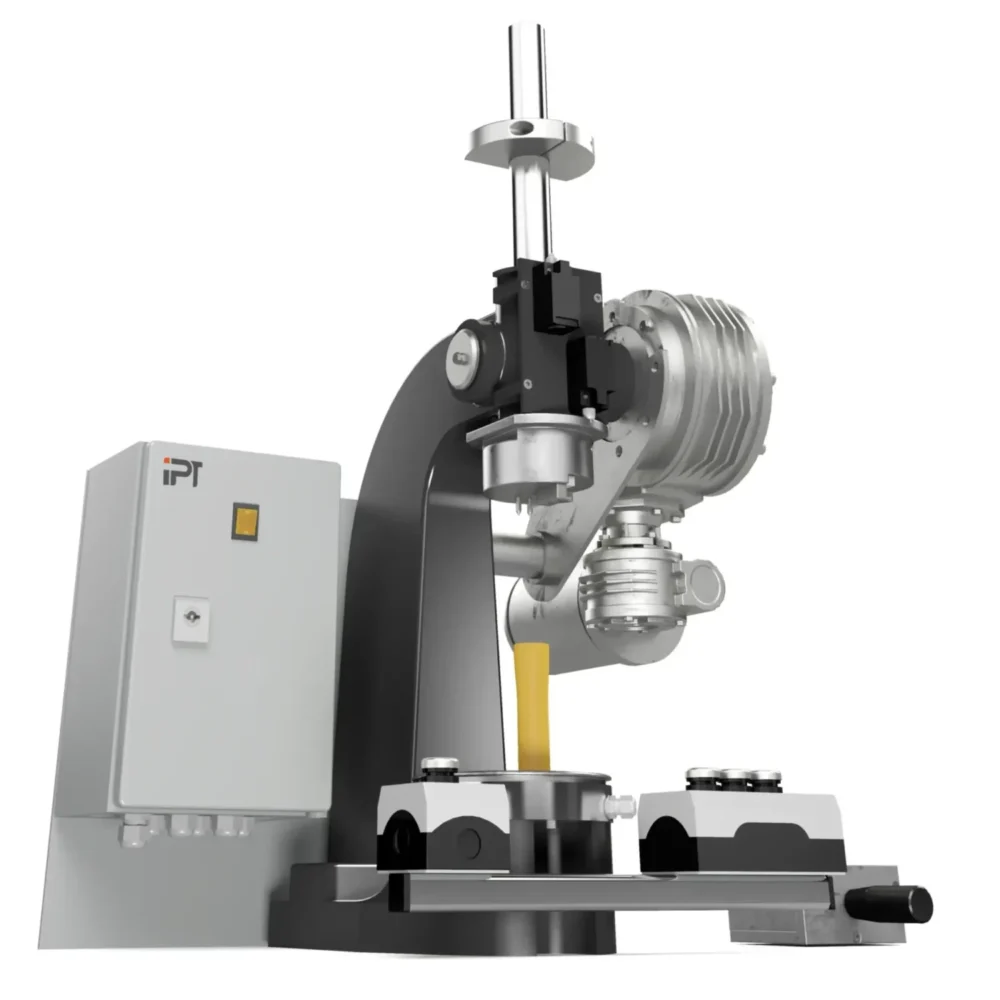

Test setup

The pressing aid is used to press the cone out of the sample. The pressing aid is shaped like a cup. The bottom part is made of plastic. The sample with the cone is placed in the suitable pressing aid for pressing out and pressed out with the plastic rod.