?

Resilient and shock-resistant

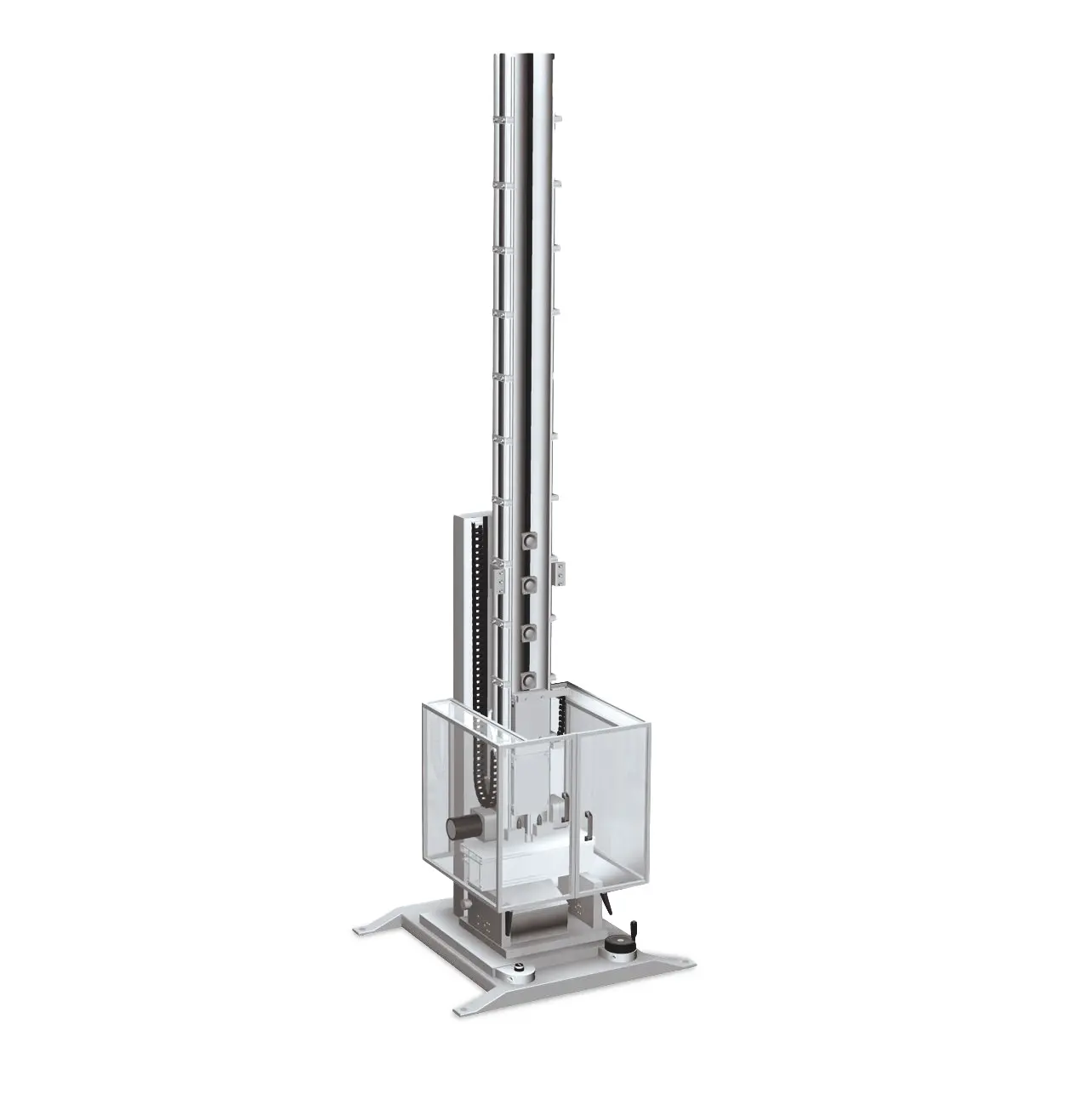
IMPACT DROP TESTER FOR WINDOWS PROFILES

Tested quality – a compelling argument for your products

With the increasing popularity of plastic window and door profiles, the demands on the material have also increased in recent years, particularly in terms of load-bearing capacity and durability. Particular importance is attached to shock and impact resistance, which is a decisive criterion for processing, transport, installation and – last but not least – daily use by the house occupants. Proof of quality is an indispensable selling point in competition with international competitors. A large number of standards and test specifications take this into account, but also put manufacturers under pressure. If a manufacturer wants to obtain the RAL quality mark 716/1, the plastic profiles must be tested for shock resistance in cold conditions via impact stress using a falling weight in accordance with DIN EN 477 and fulfil the relevant requirements.

Standards

Keine Standards gefunden

  • EN 477
  • RAL GZ 716/1

Downloads

Features and Functionality

High precision - the prerequisite for quality

The impact tester works with high precision: the weight falls with virtually no frictional losses. The fall velocity on impact with the specimen is measured automatically. This guarantees the reproducibility of the test results.

Automatic testing guarantees efficiency

The impact tester is characterised by its high level of user-friendliness. The ability to automate tests and save entered test parameters ensures that even extensive and recurring test runs can be completed quickly and therefore cost-effectively.

Easy operation

The impact tester is easy to operate: Using a sample section of the profile to be tested, the pre-settings are carried out first. Using the profile holder, the sample section can be adjusted and fixed precisely in accordance with the standard requirements. In addition, the profile can be secured against tilting with a height-adjustable lateral stop. The reference zero point is then approached with the falling weight and the height of the drop column is fixed. The electronic control system now automatically determines the correct release position of the falling weight. A belt-driven carriage now transports the falling weight to the specified height. The cooled specimen is positioned on the profile holder and the safety doors are closed. The test can begin.

No double impacts

The falling weight is released with a key press on the two-hand control. After impact, the weight springs back up and is safely caught by brake magnets to prevent unwanted double impacts. The impact tester is equipped with an automatic program. In automatic mode, the falling weight is picked up again by the carriage after the test has been completed and brought back to the specified drop height – the device is ready for the next test. This means that no further settings need to be adjusted when checking profiles of the same height.

The touchscreen

All test parameters are input via the keypad on the touchscreen and can be checked at any time via the display. The fall velocity achieved is displayed on the touchscreen after each test procedure. This allows a reliable statement to be made about the actual impact energy. Recurring test parameter sets can be saved and accessed again at a later date via the touchscreen.

IPT DataLogging

An optional connection to IPT DataLogging for managing and documenting the testing data is possible.