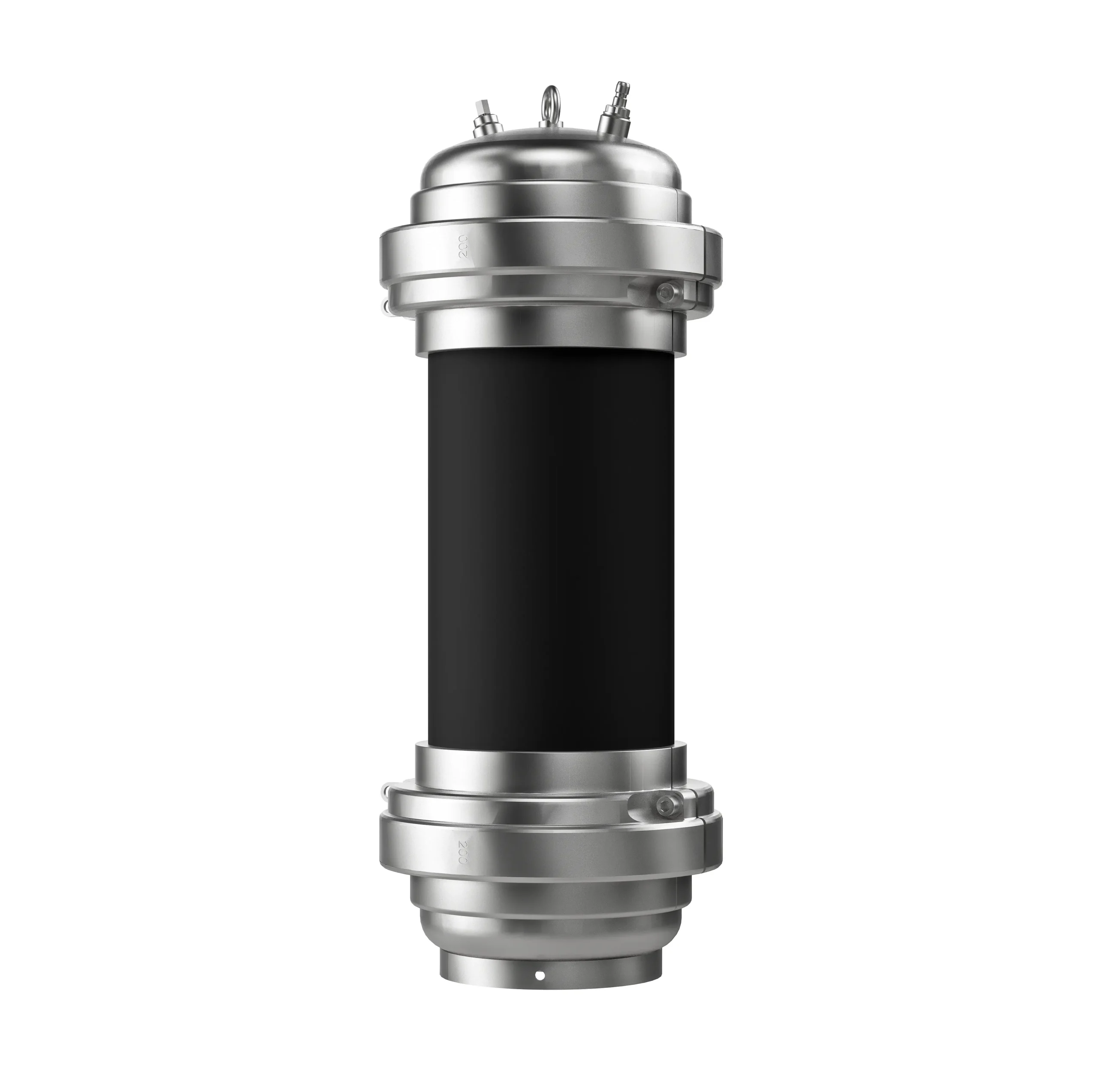
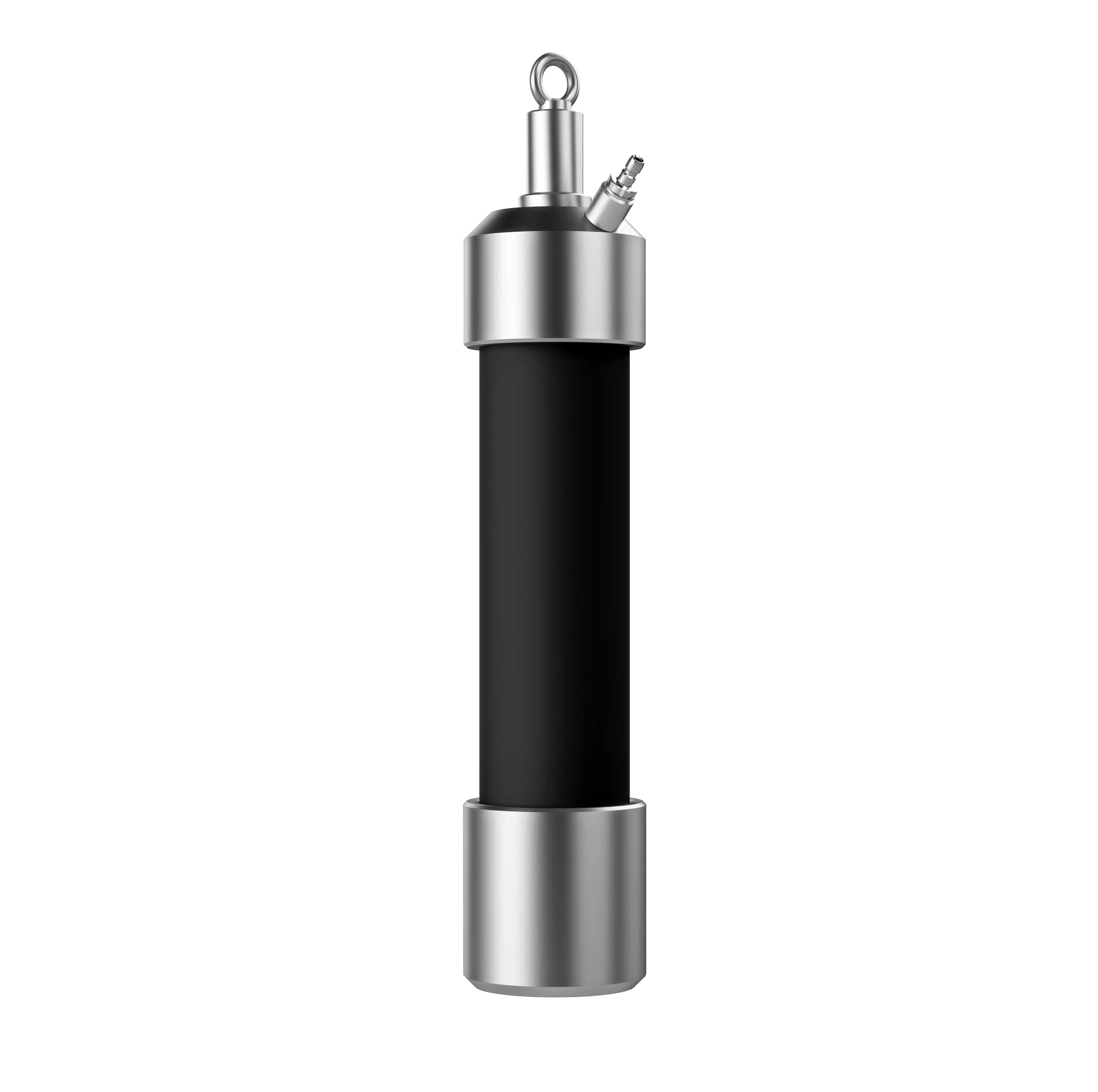
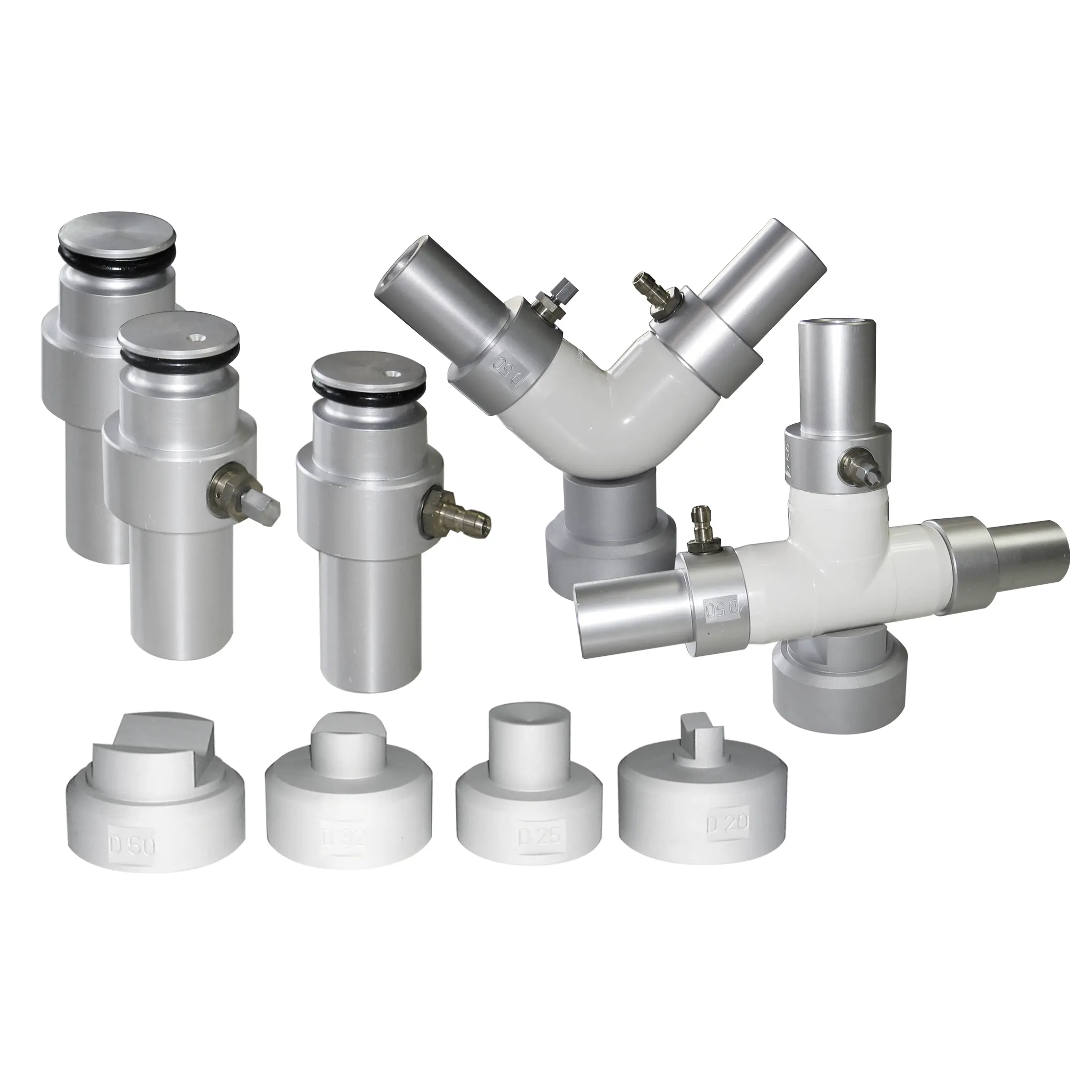
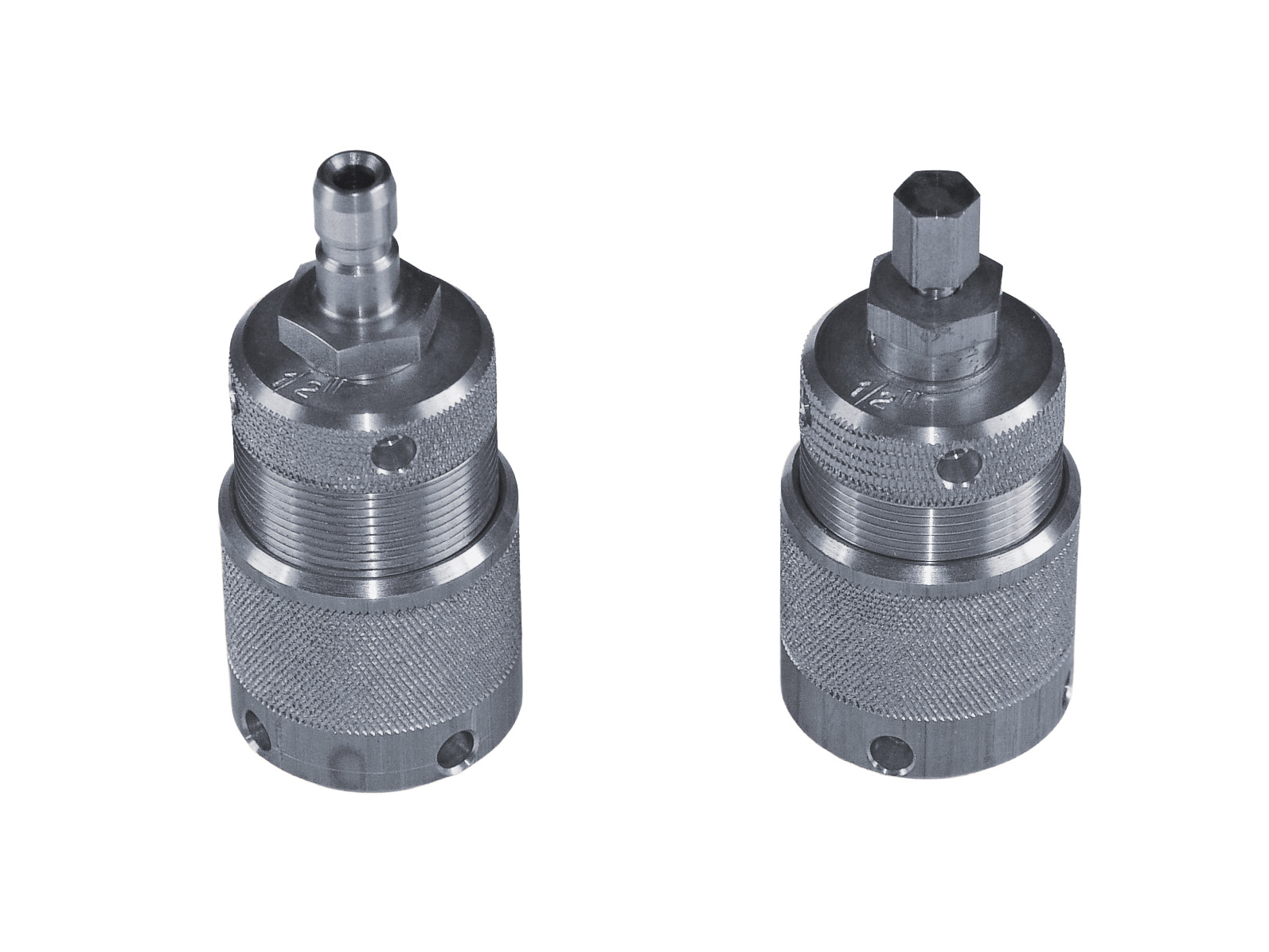
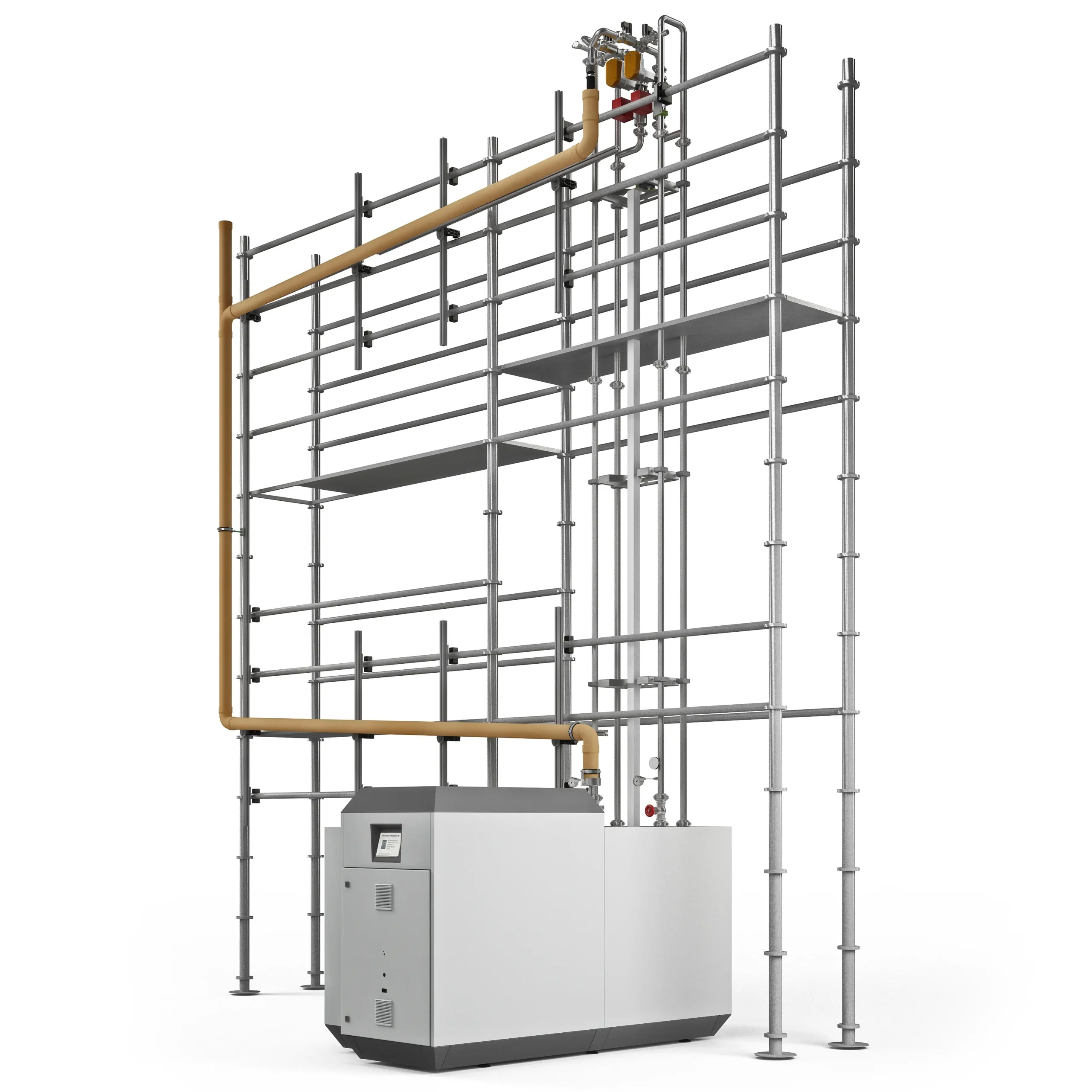
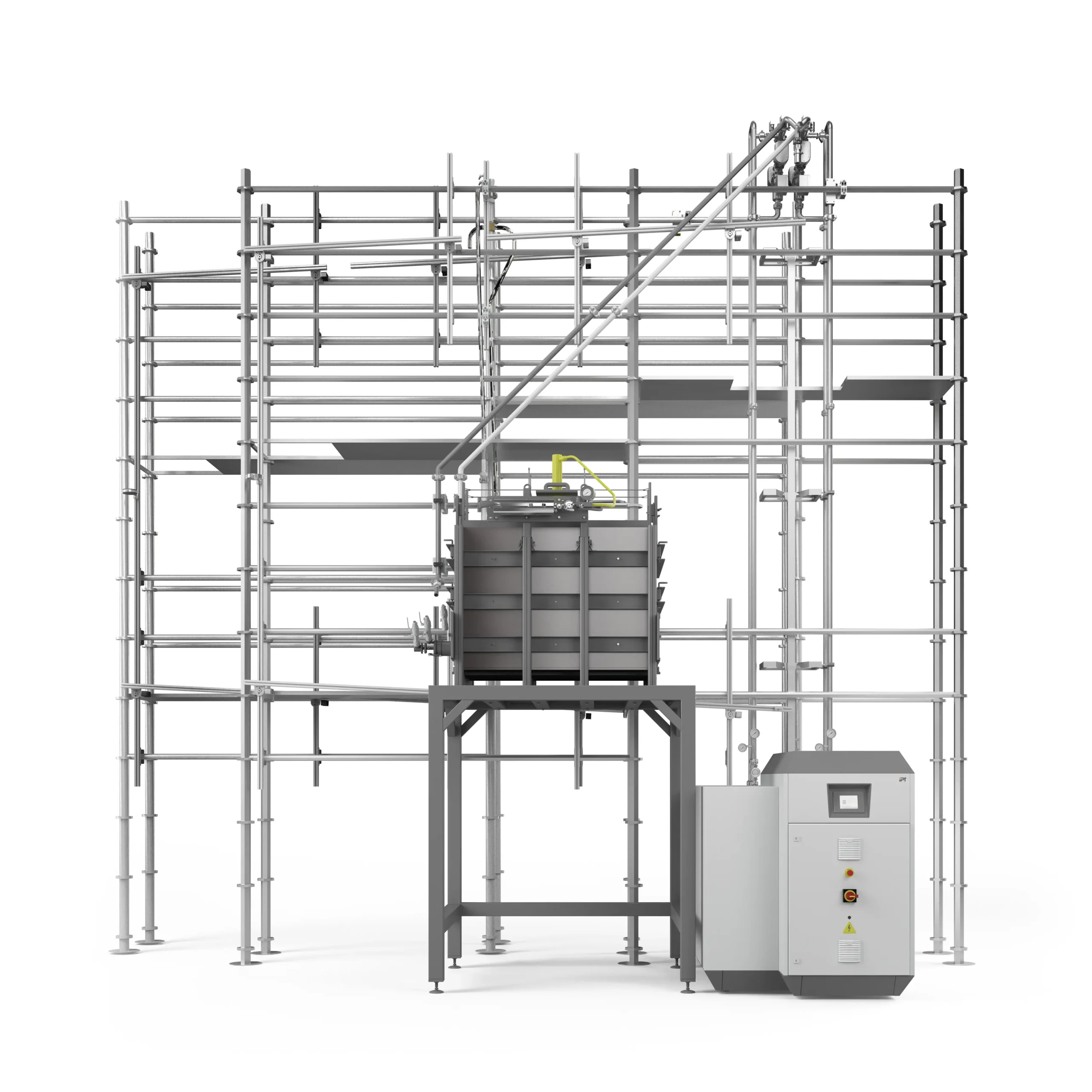
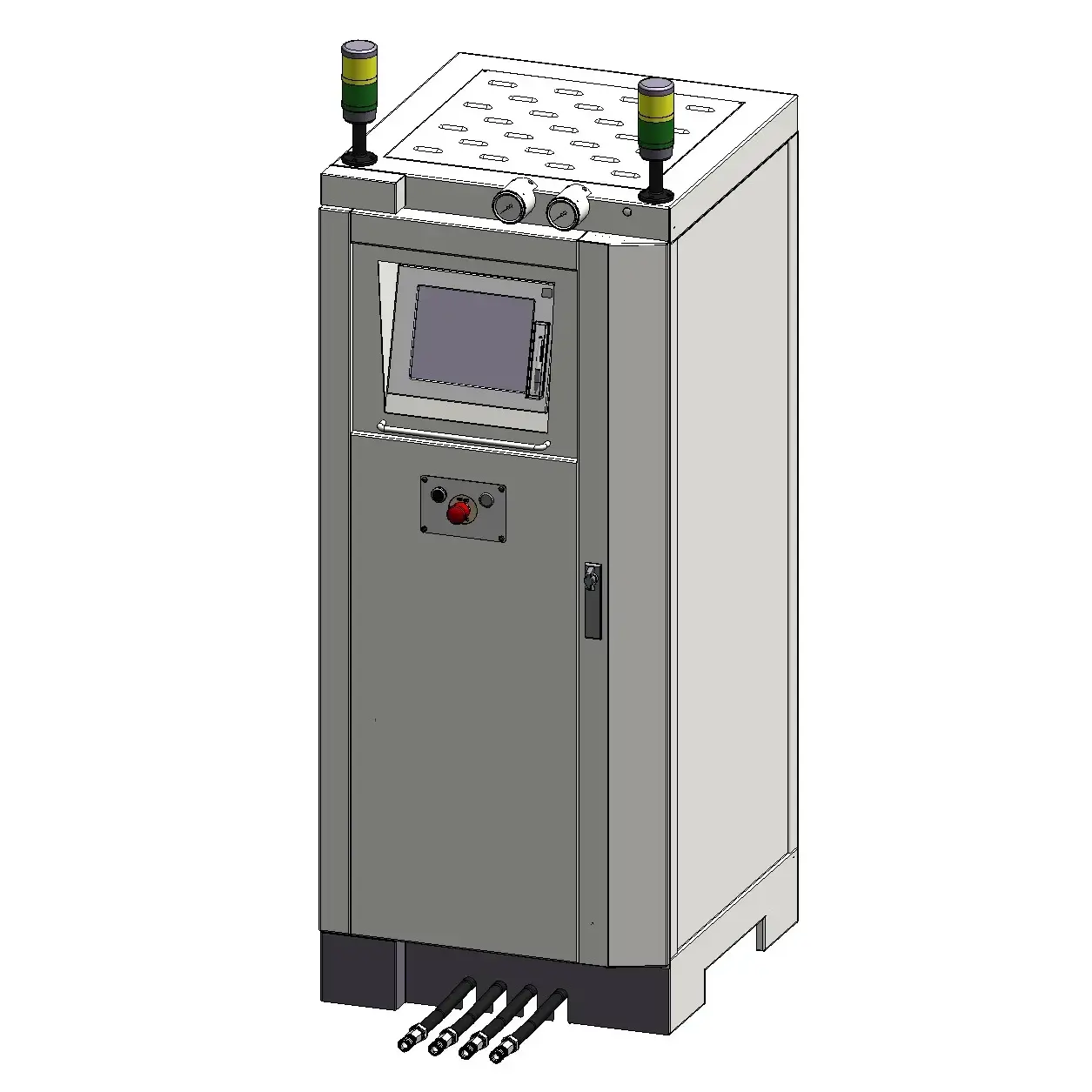
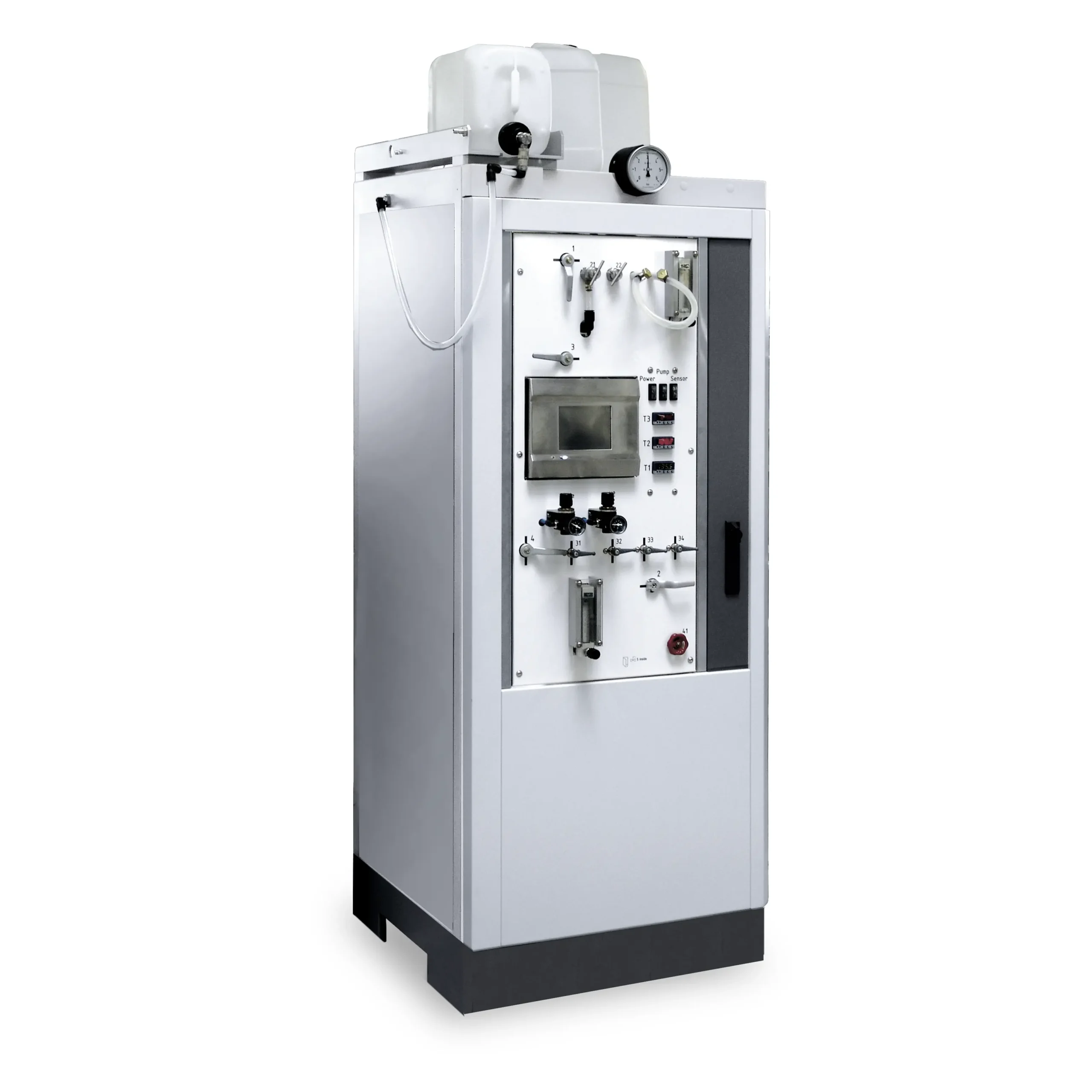
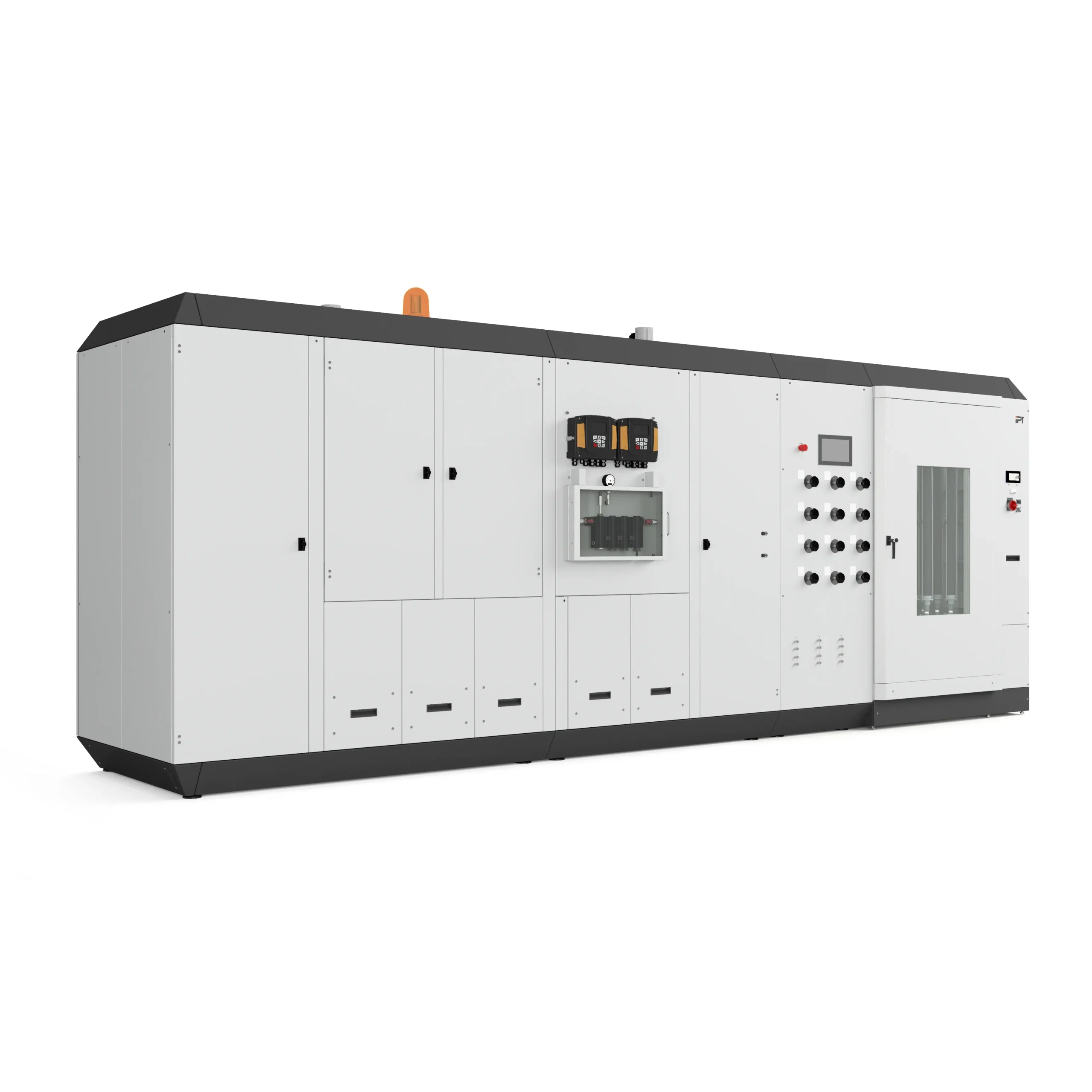
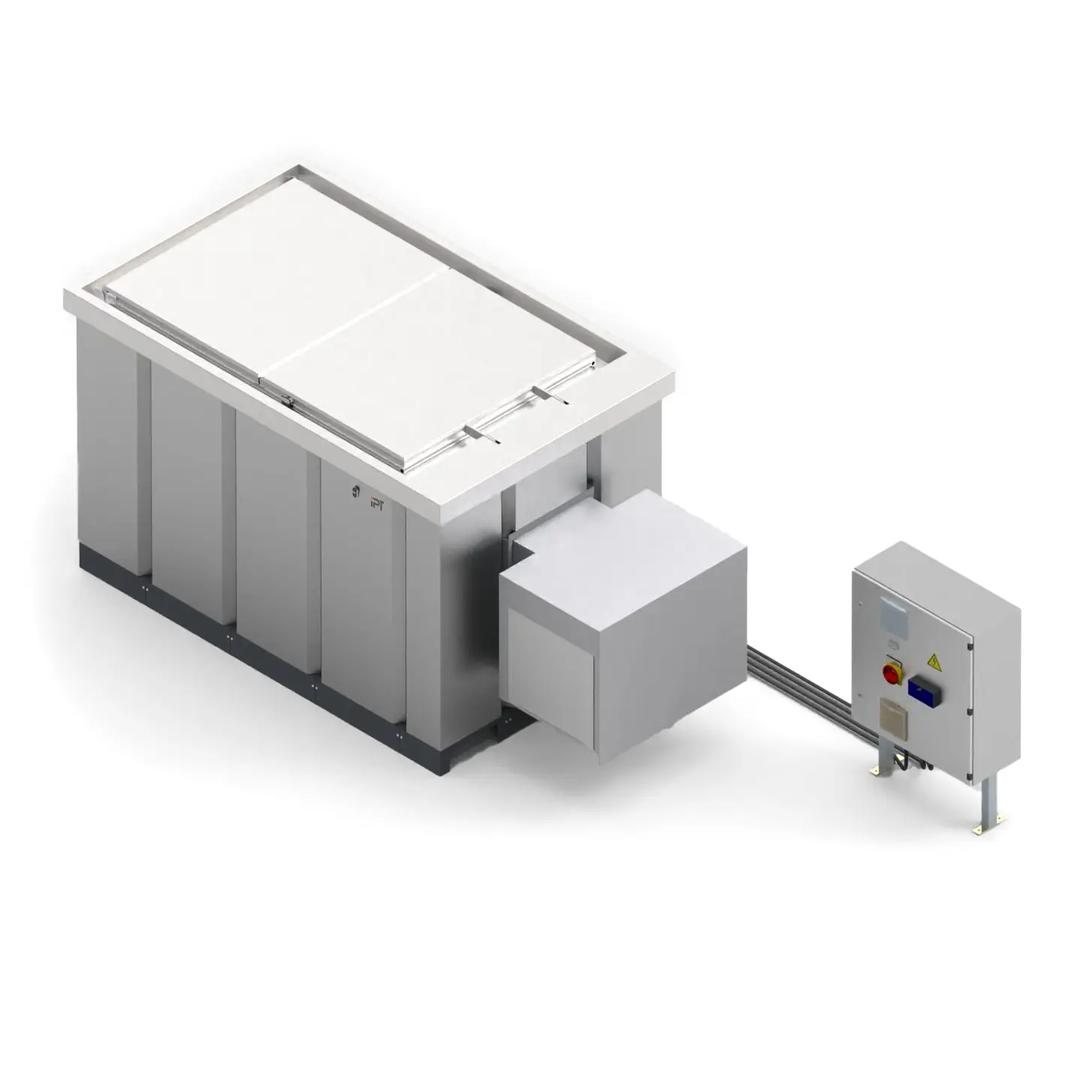
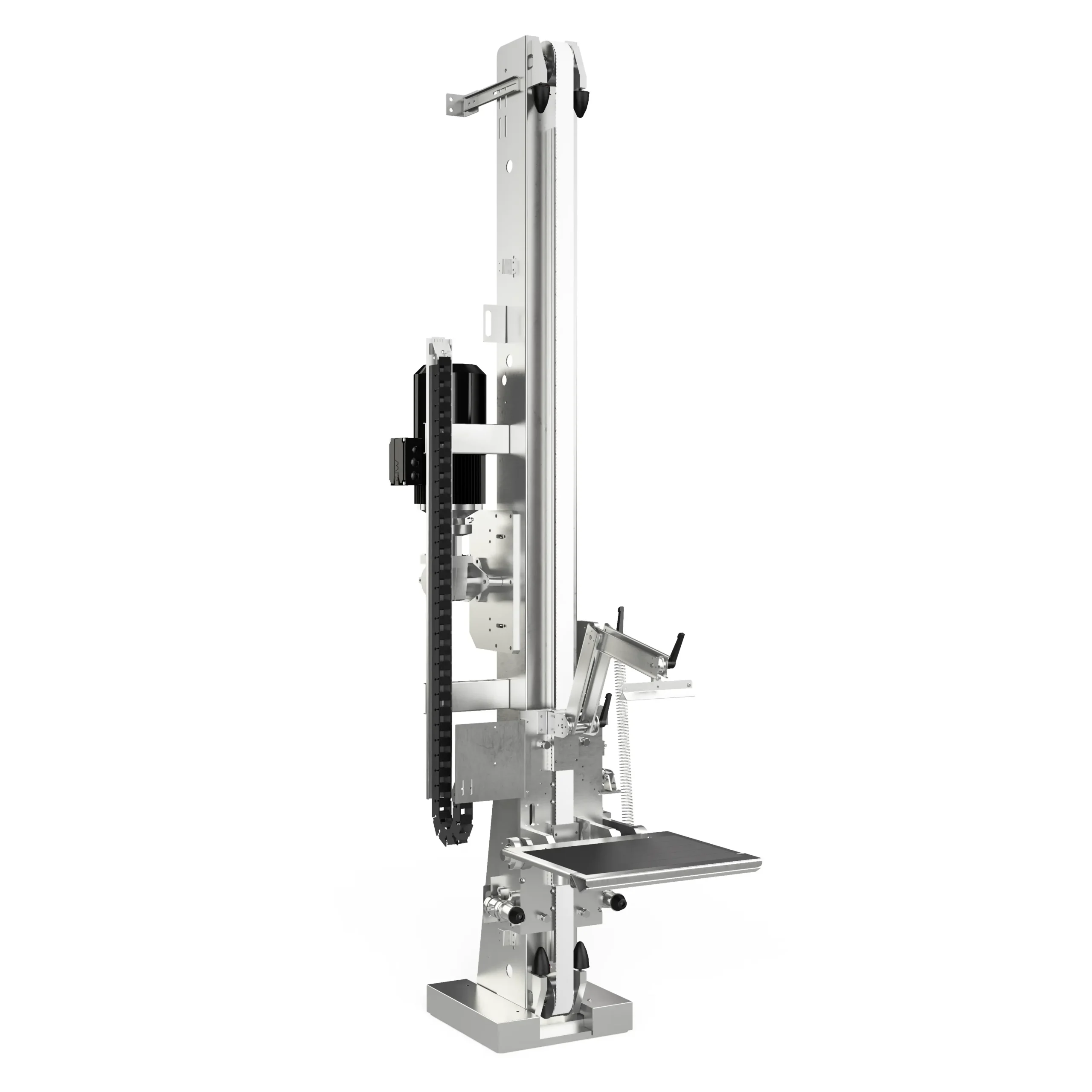
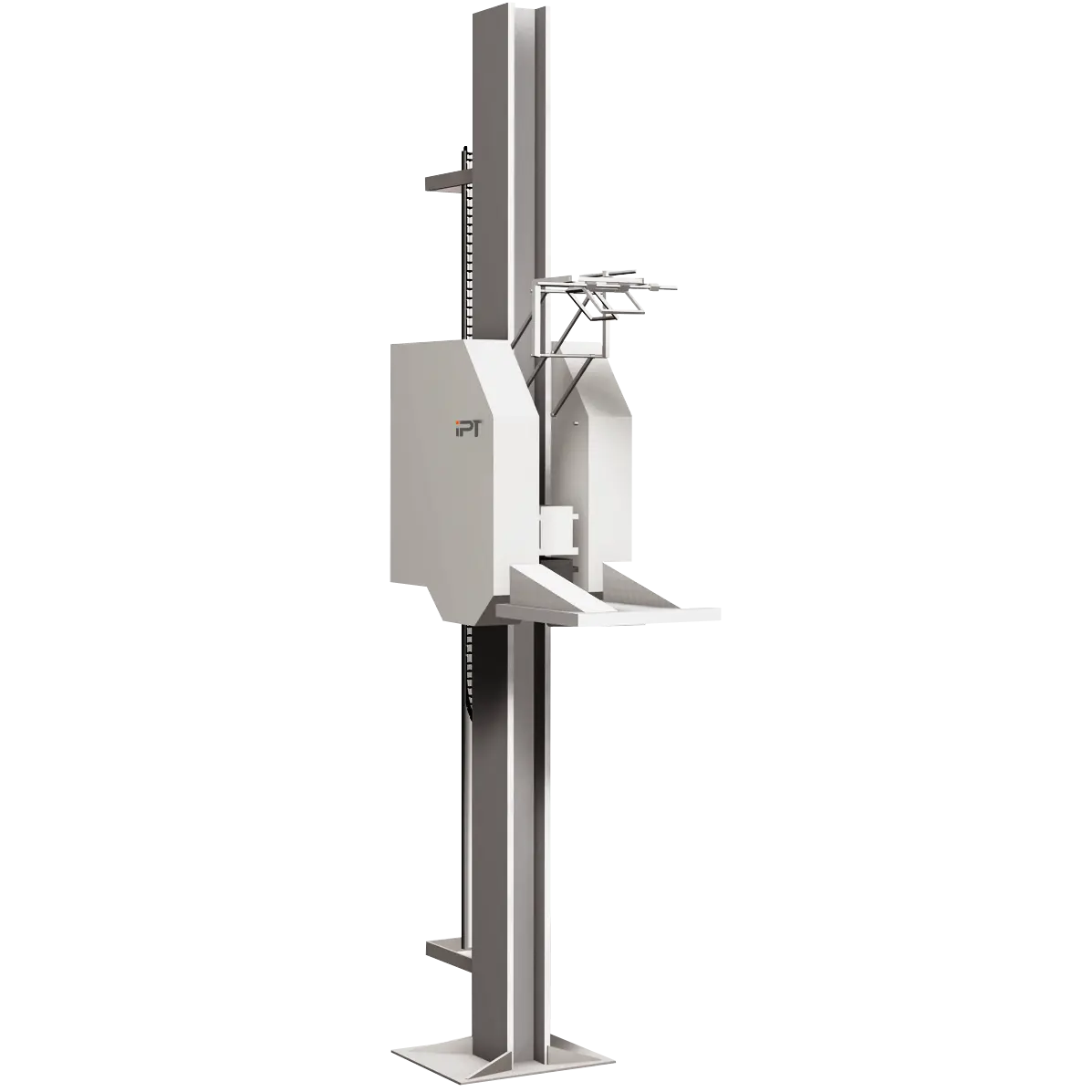
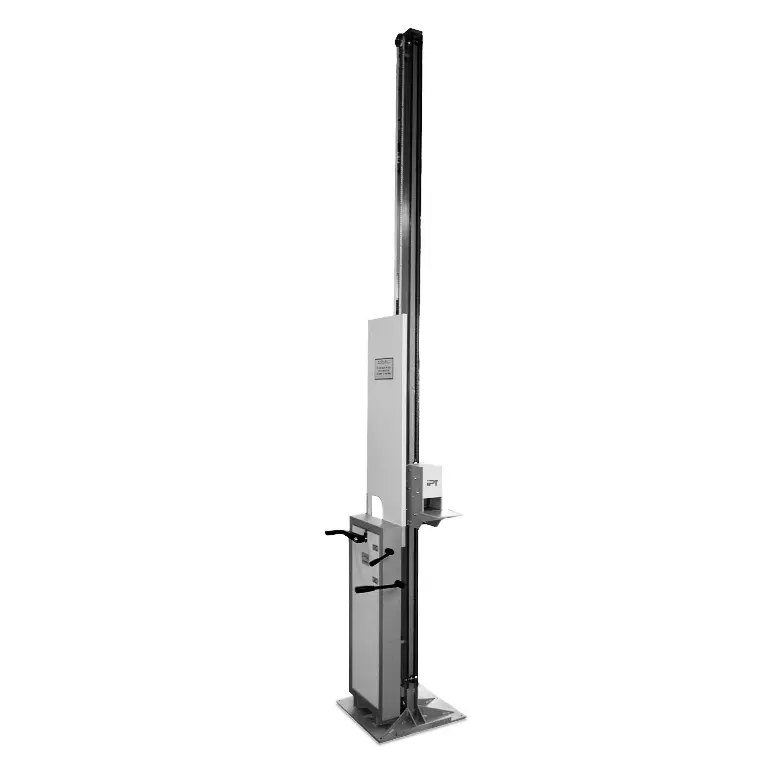
Internal hydrostatic and quick burst test equipment
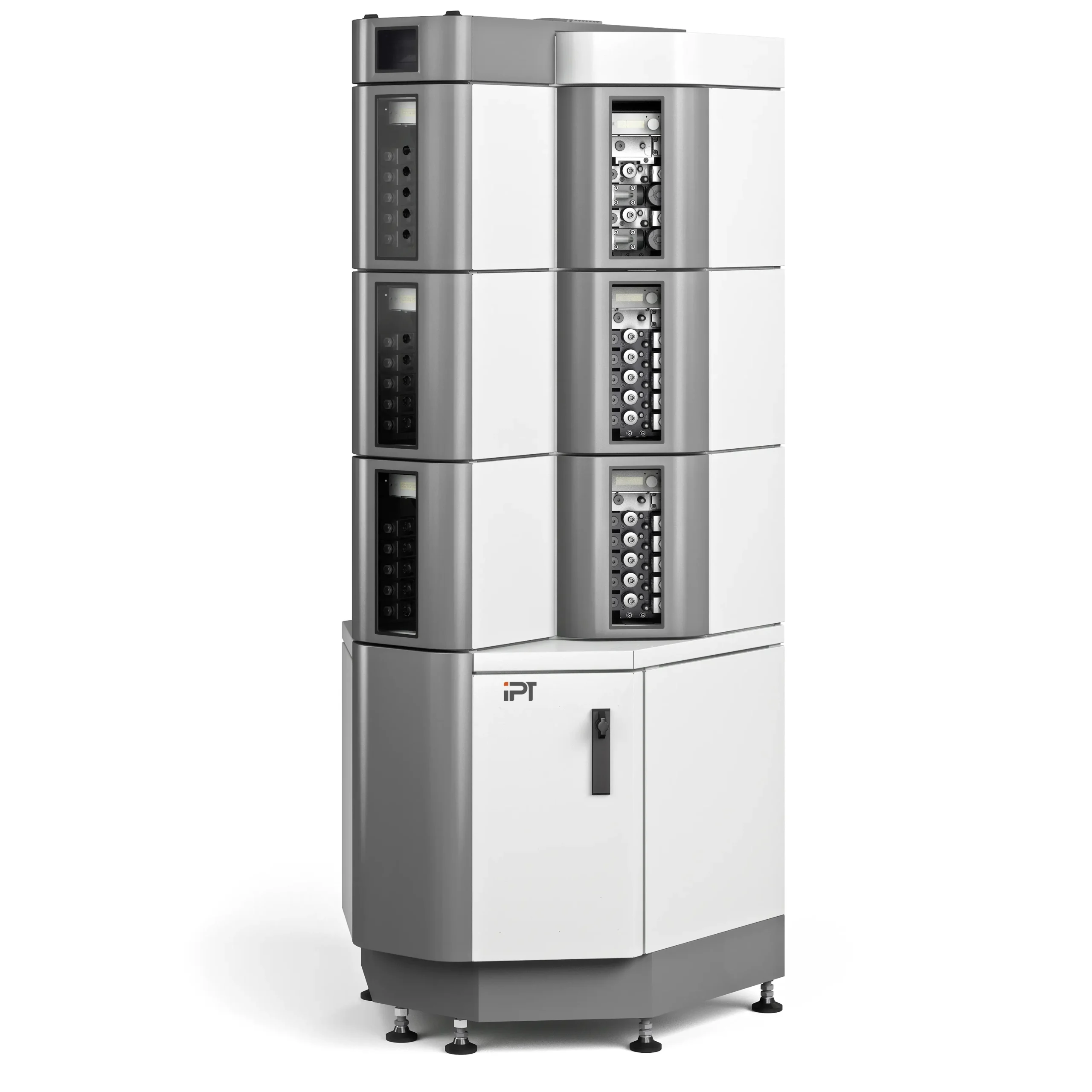
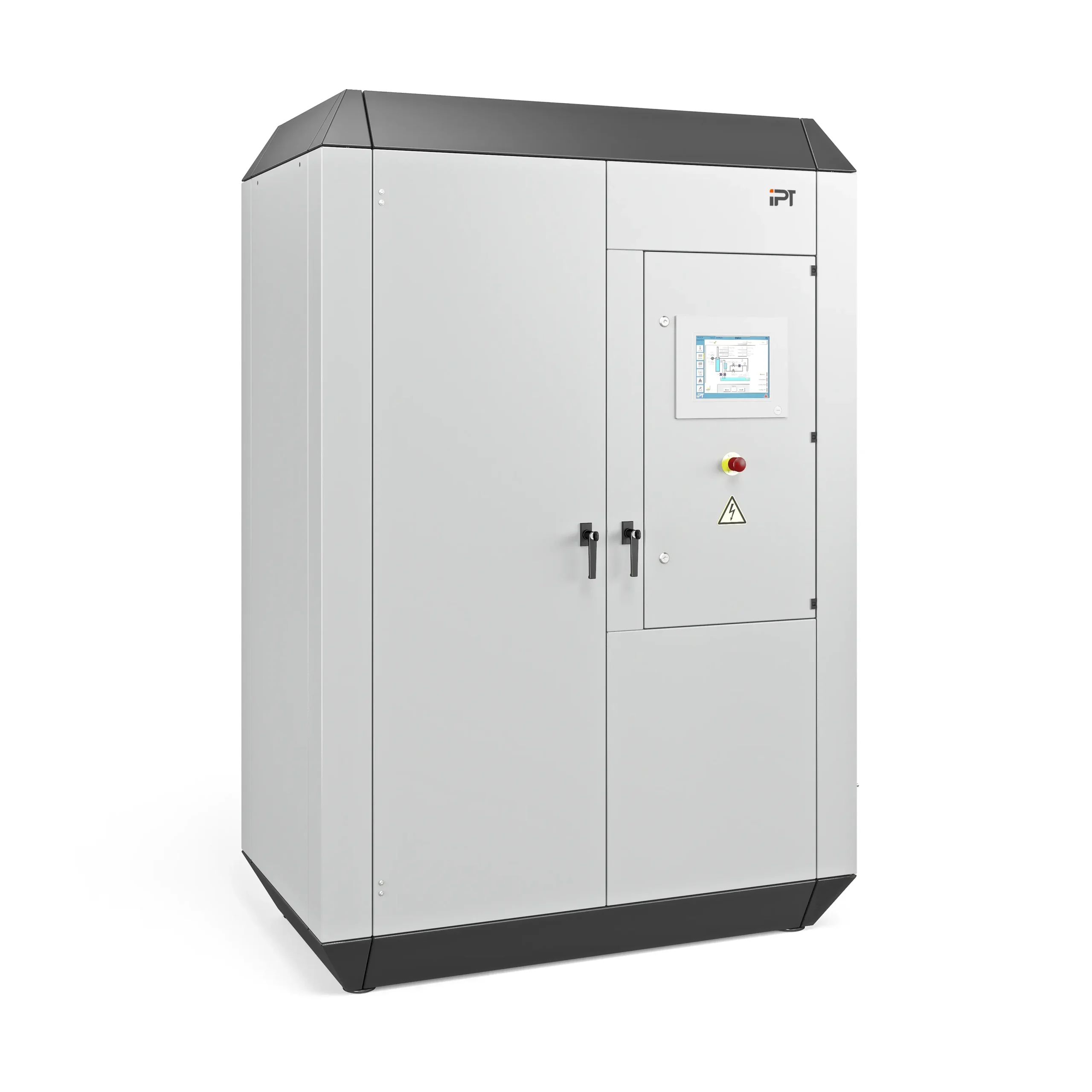
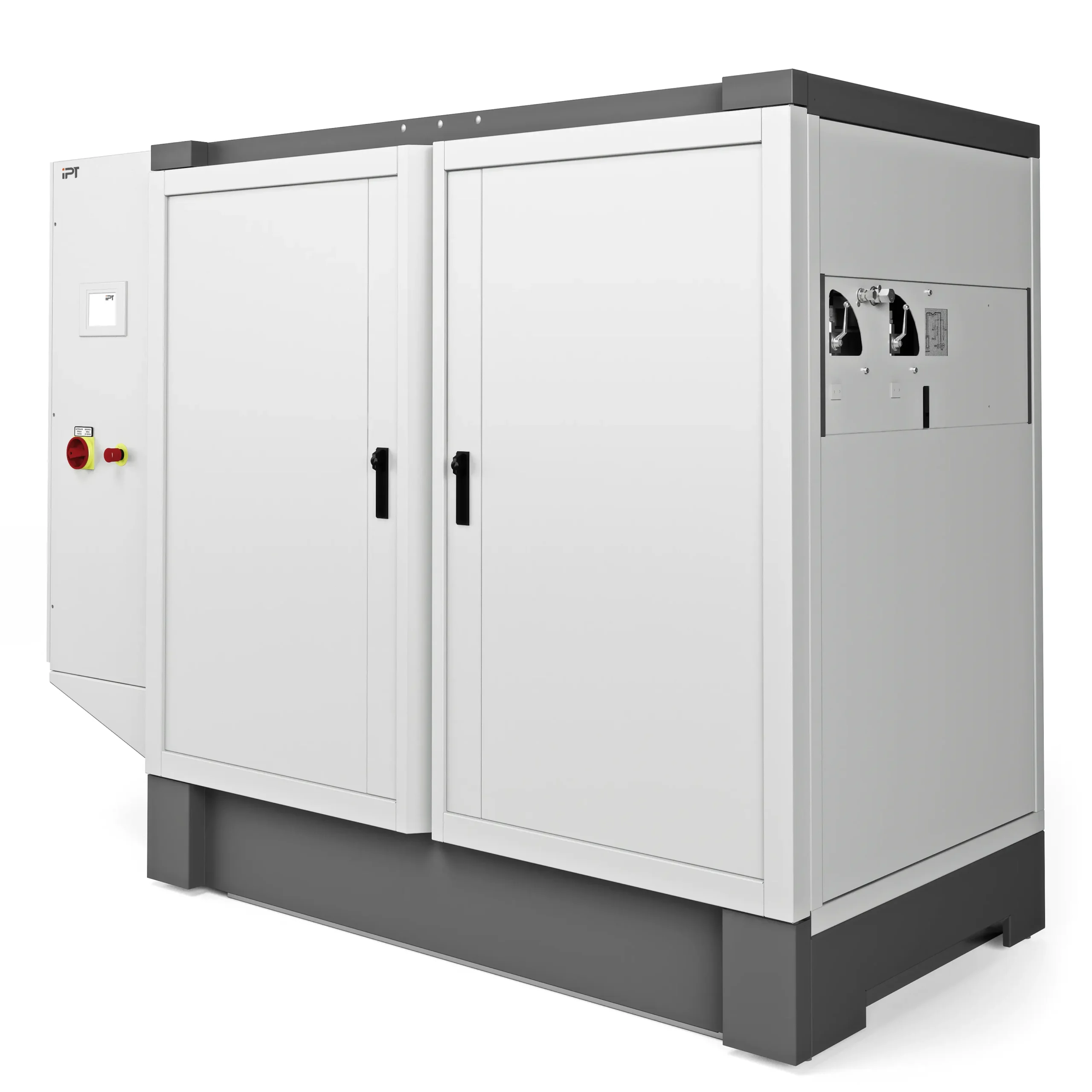
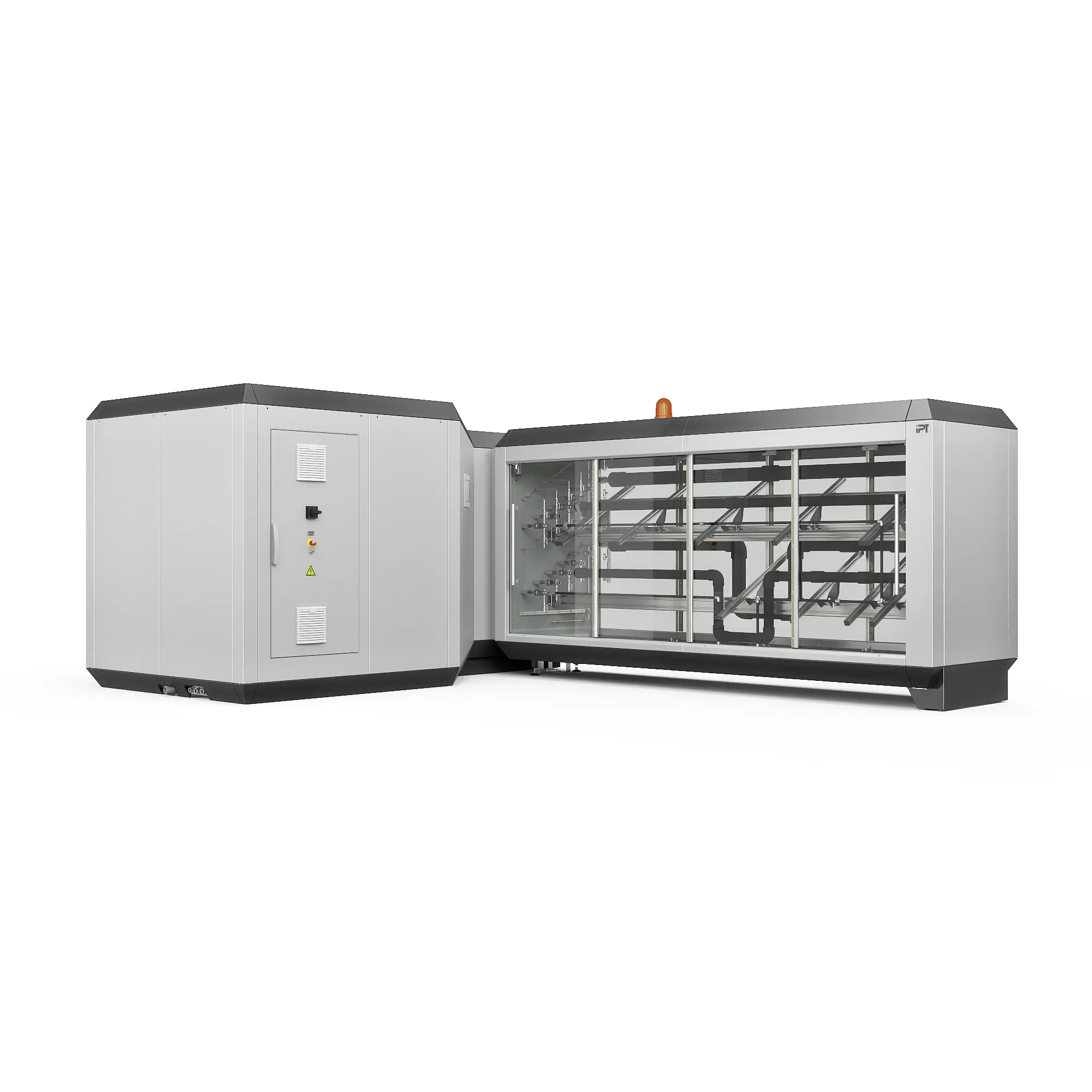
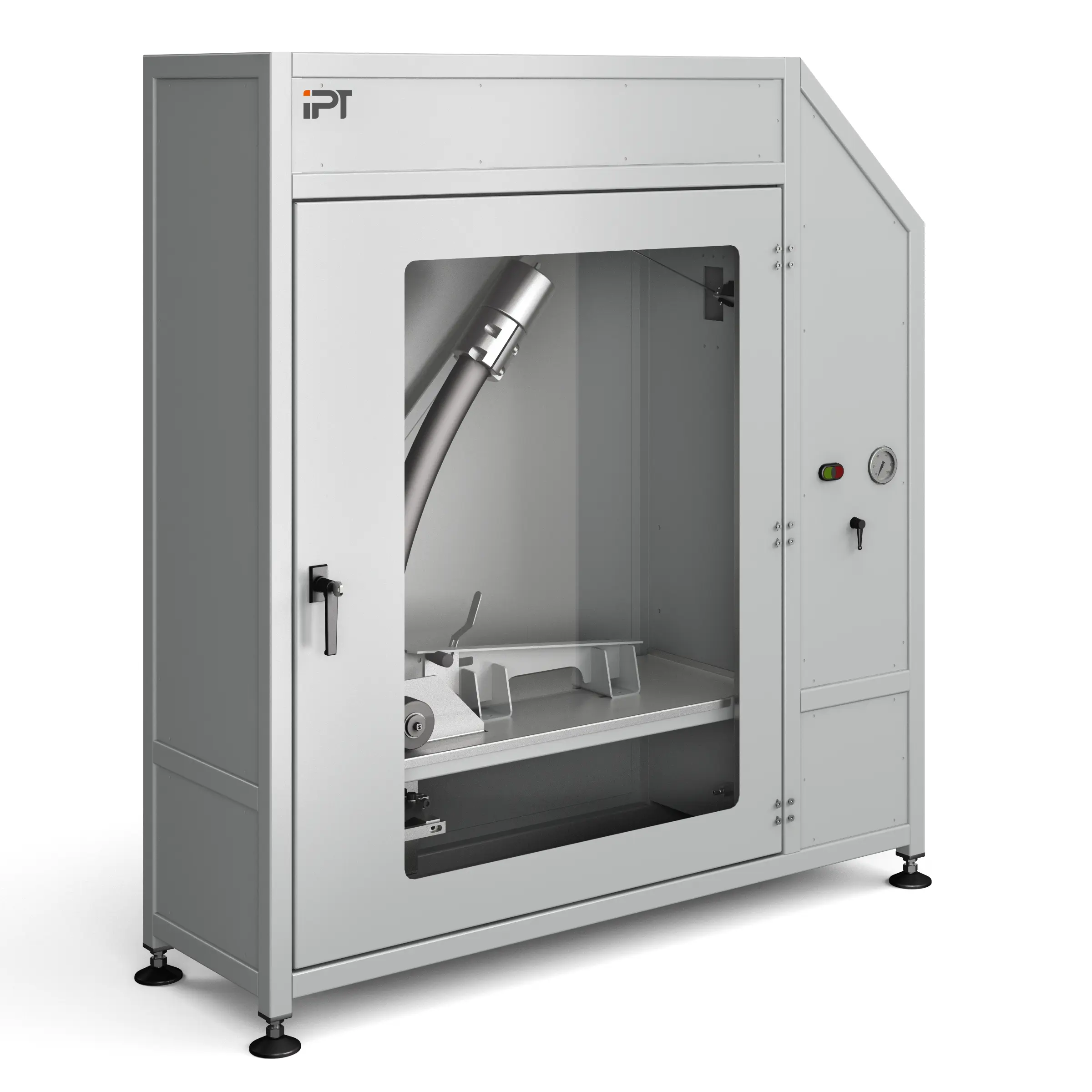
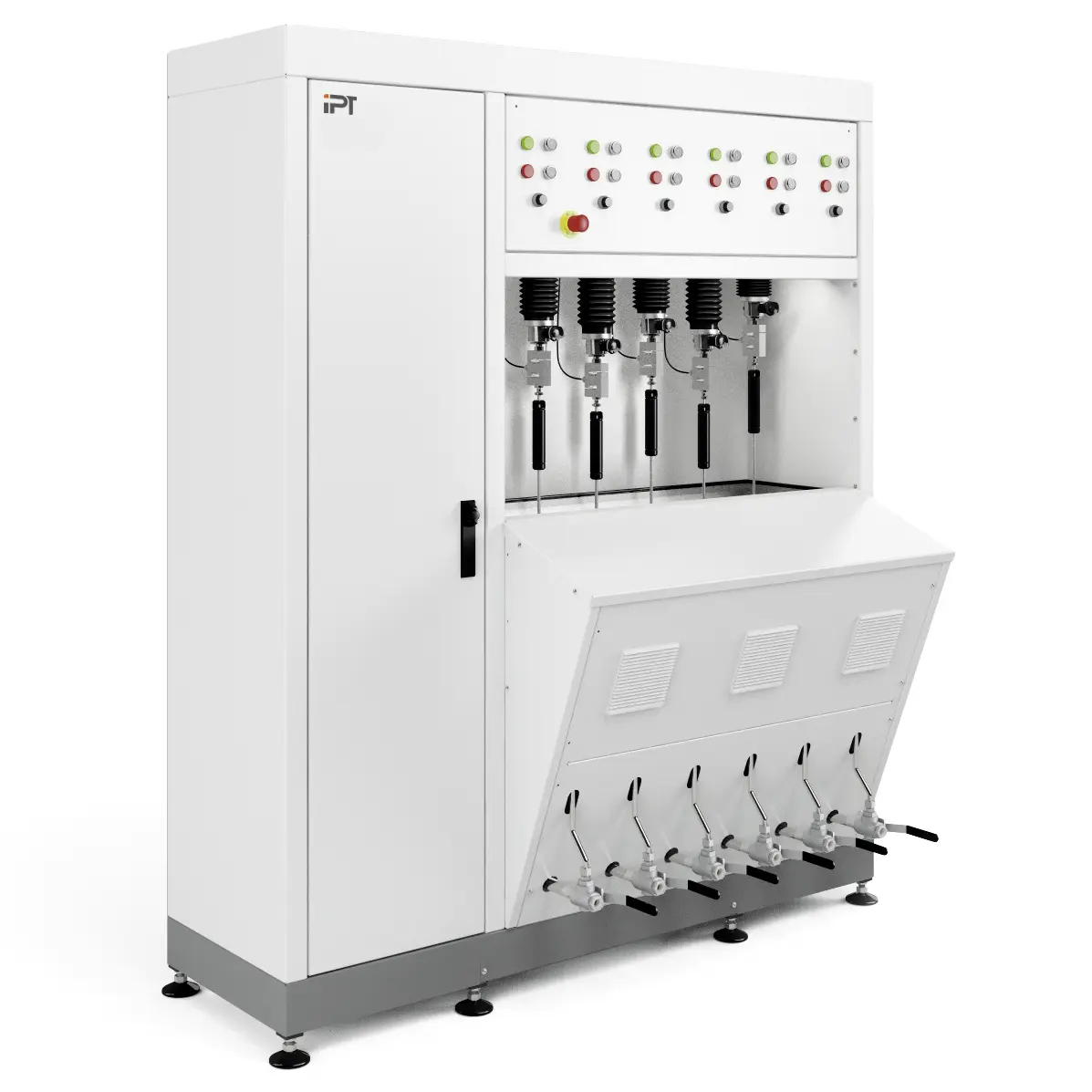
The purpose of this tester is to apply and maintain the correct hydrostatic pressure for internal pressure creep tests. Bursting pressure tests can also be optionally performed.
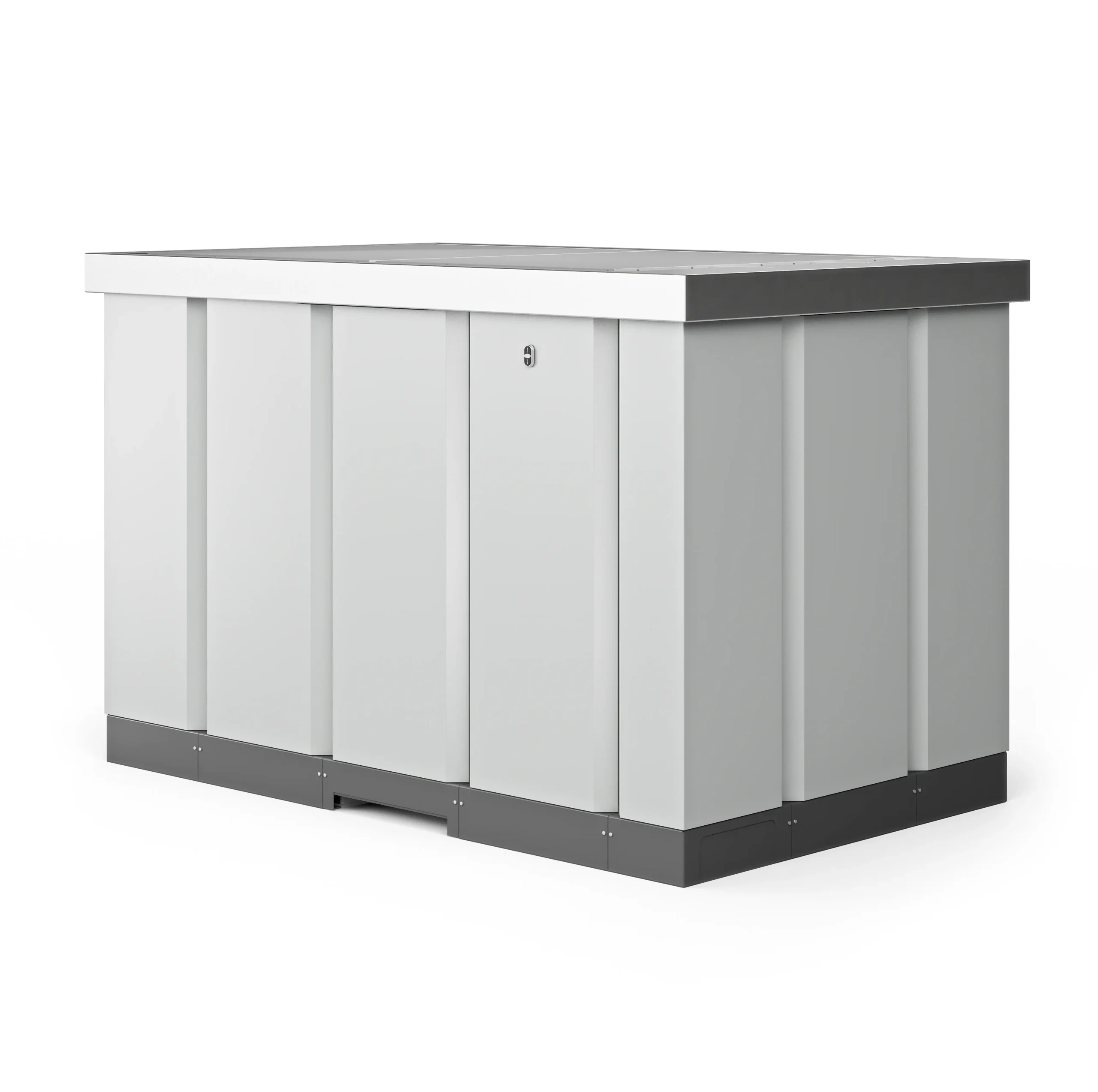
Up to 9 modules – equivalent to 45 stations.
Internal hydrostatic and quick burst test equipment
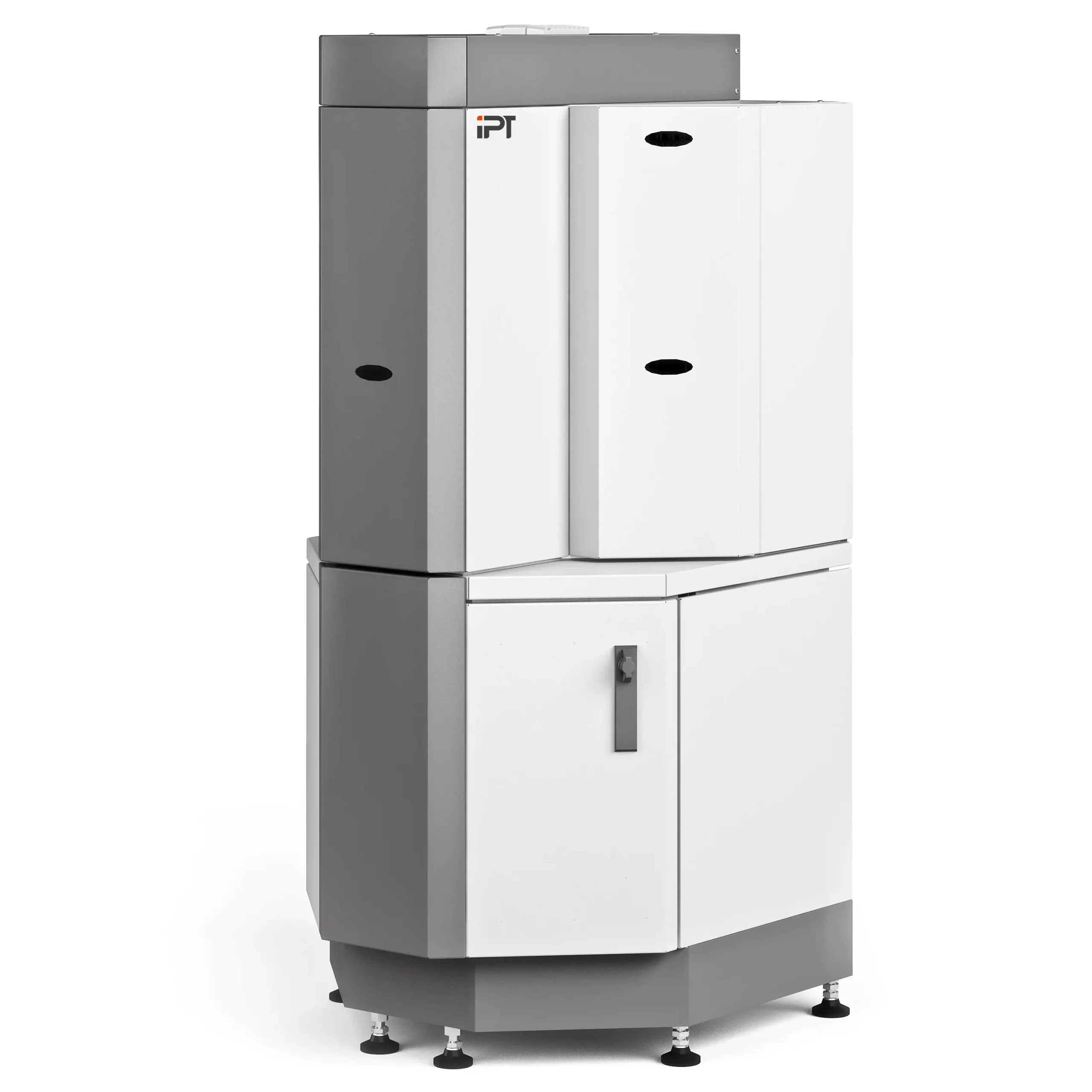
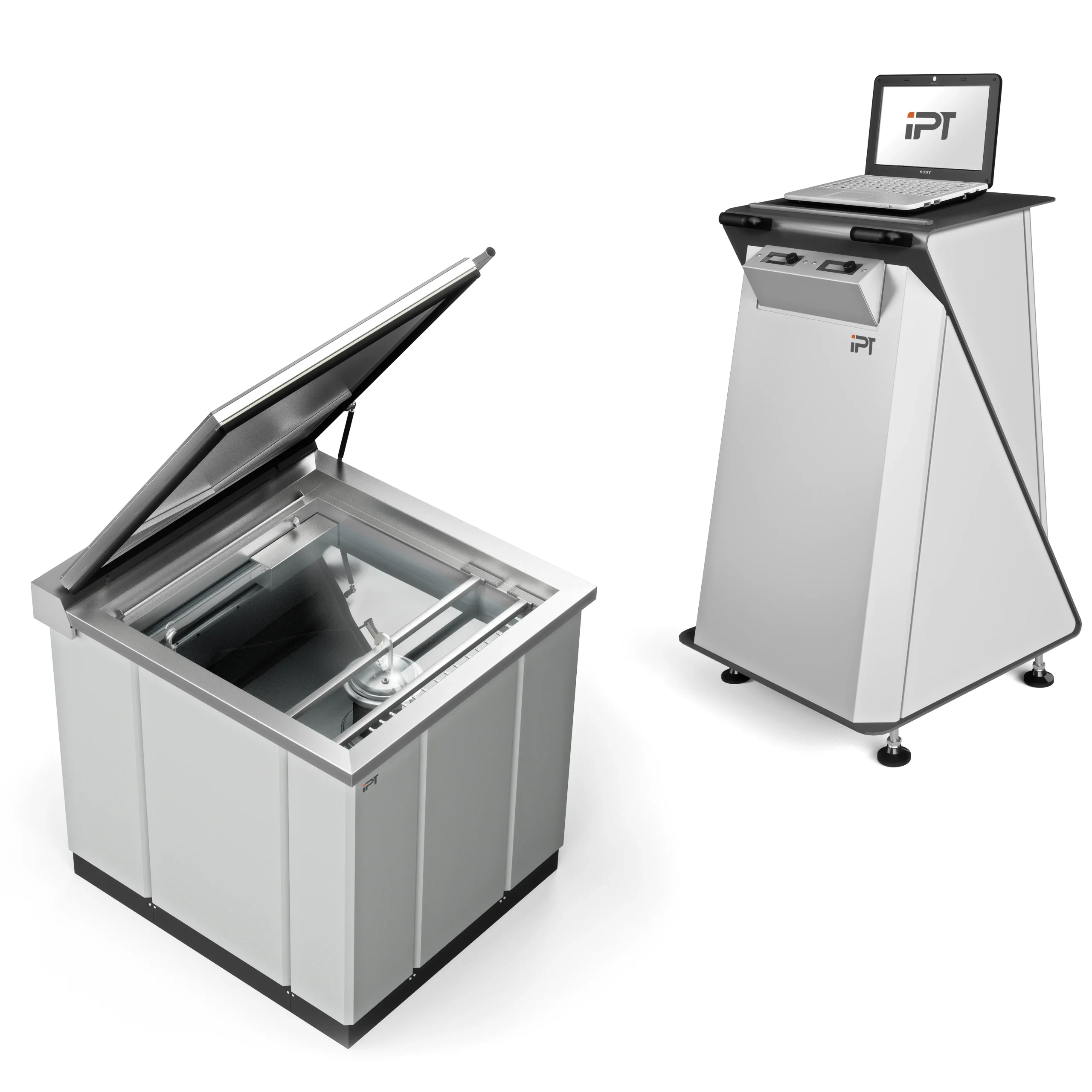
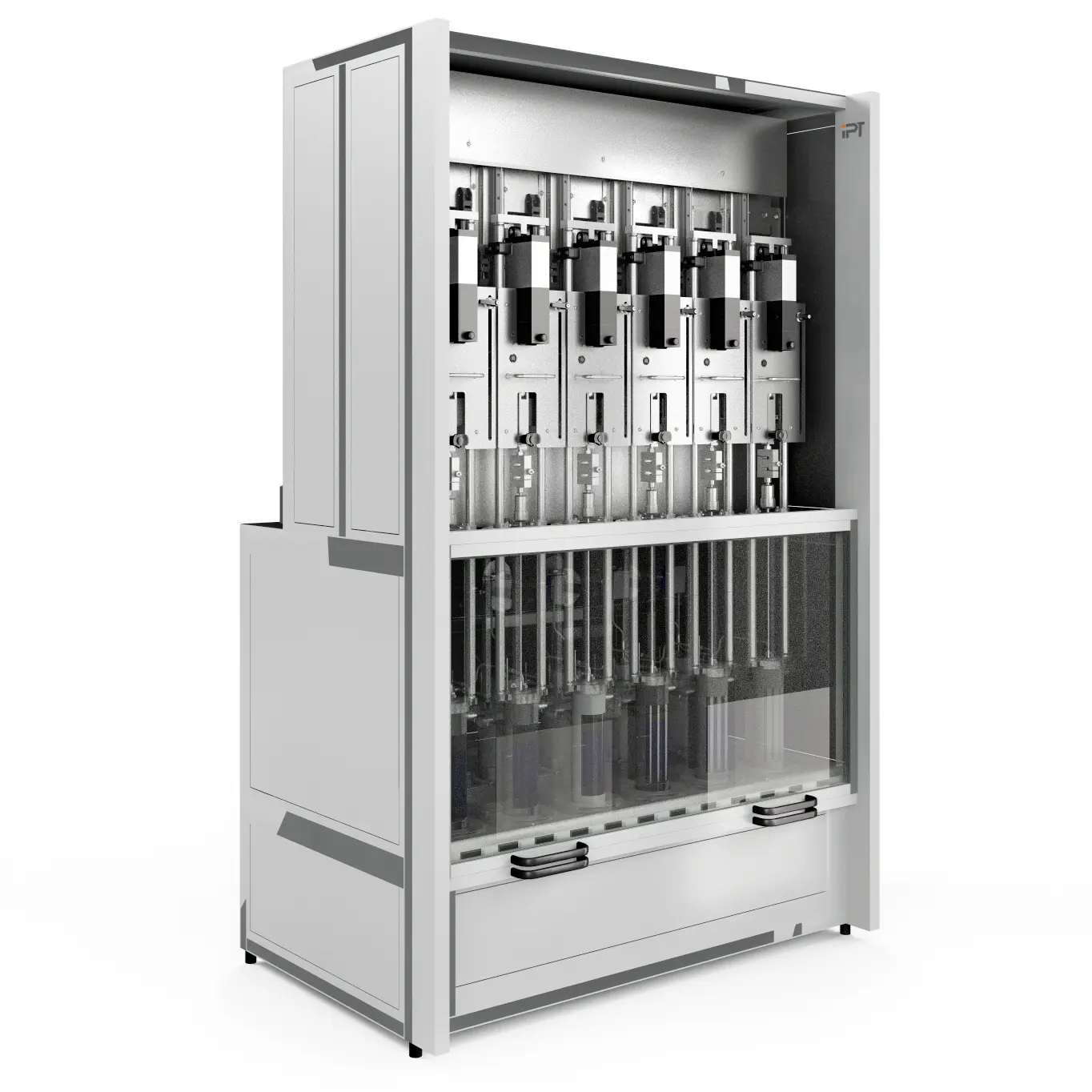
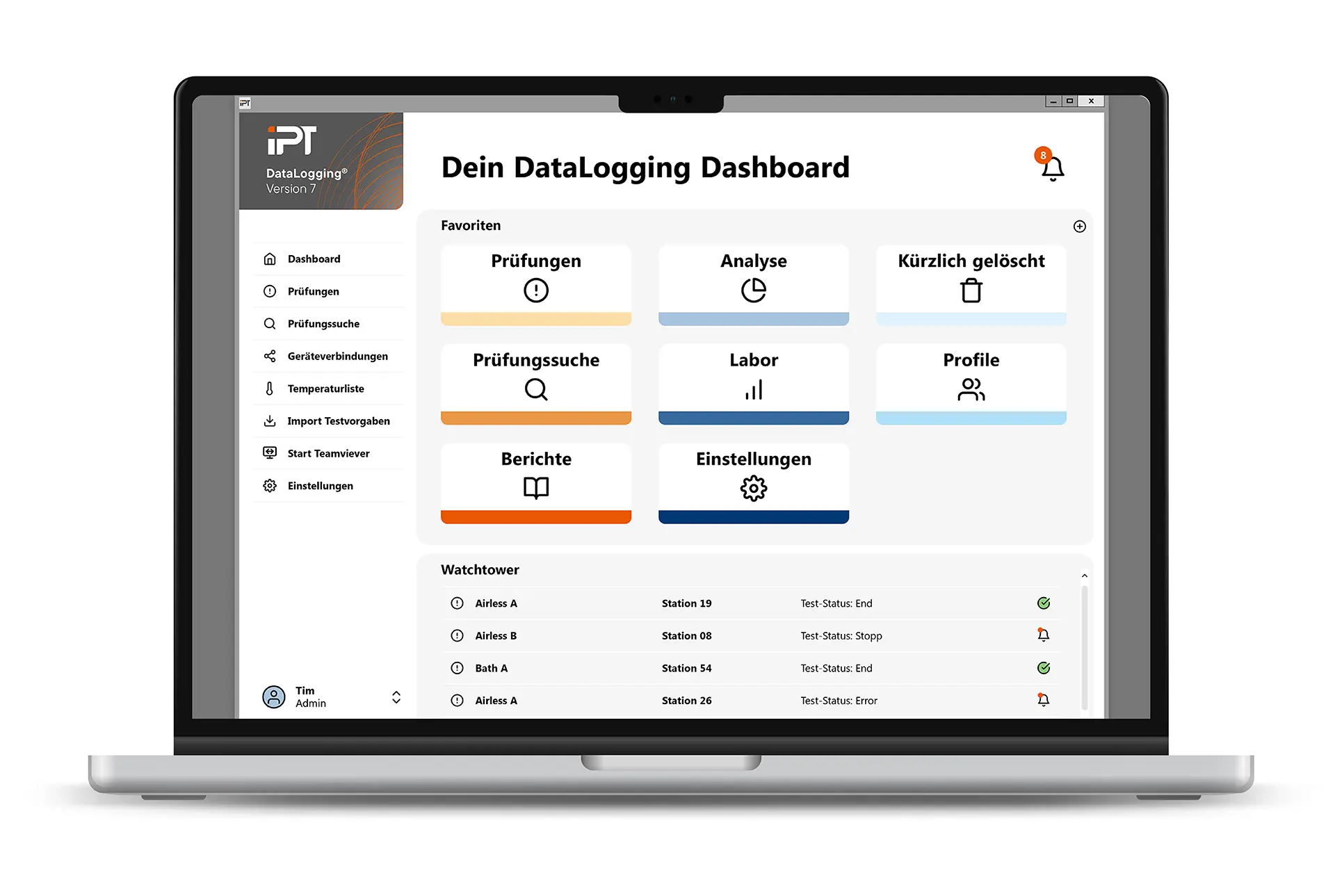
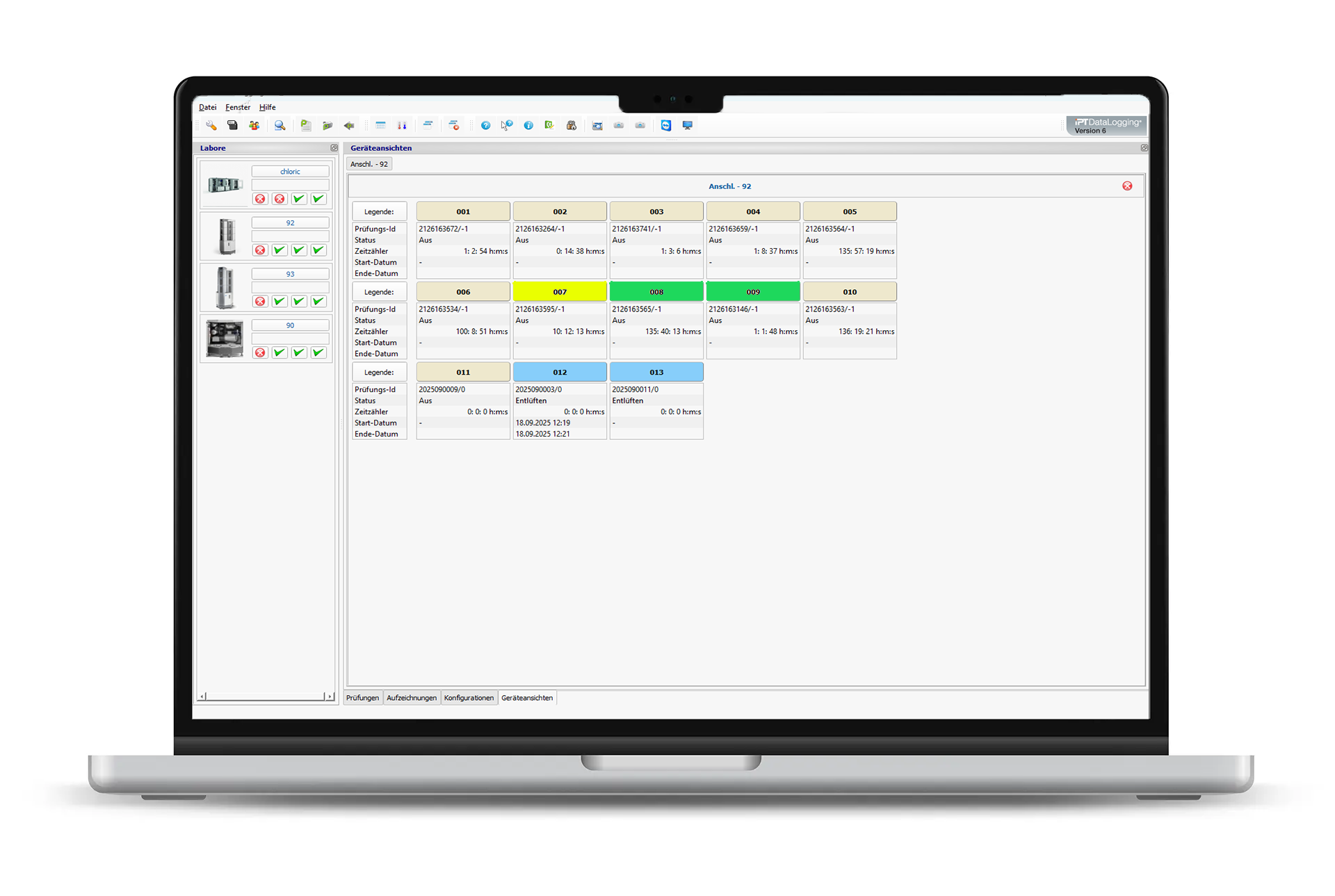
The 1790 Airless LightLine full set, with its five pressure stations and test bath, provide a simple all-in-one solution. The operation, evaluation of the results and clear visualization is done via a laptop.
Internal hydrostatic and quick burst test equipment
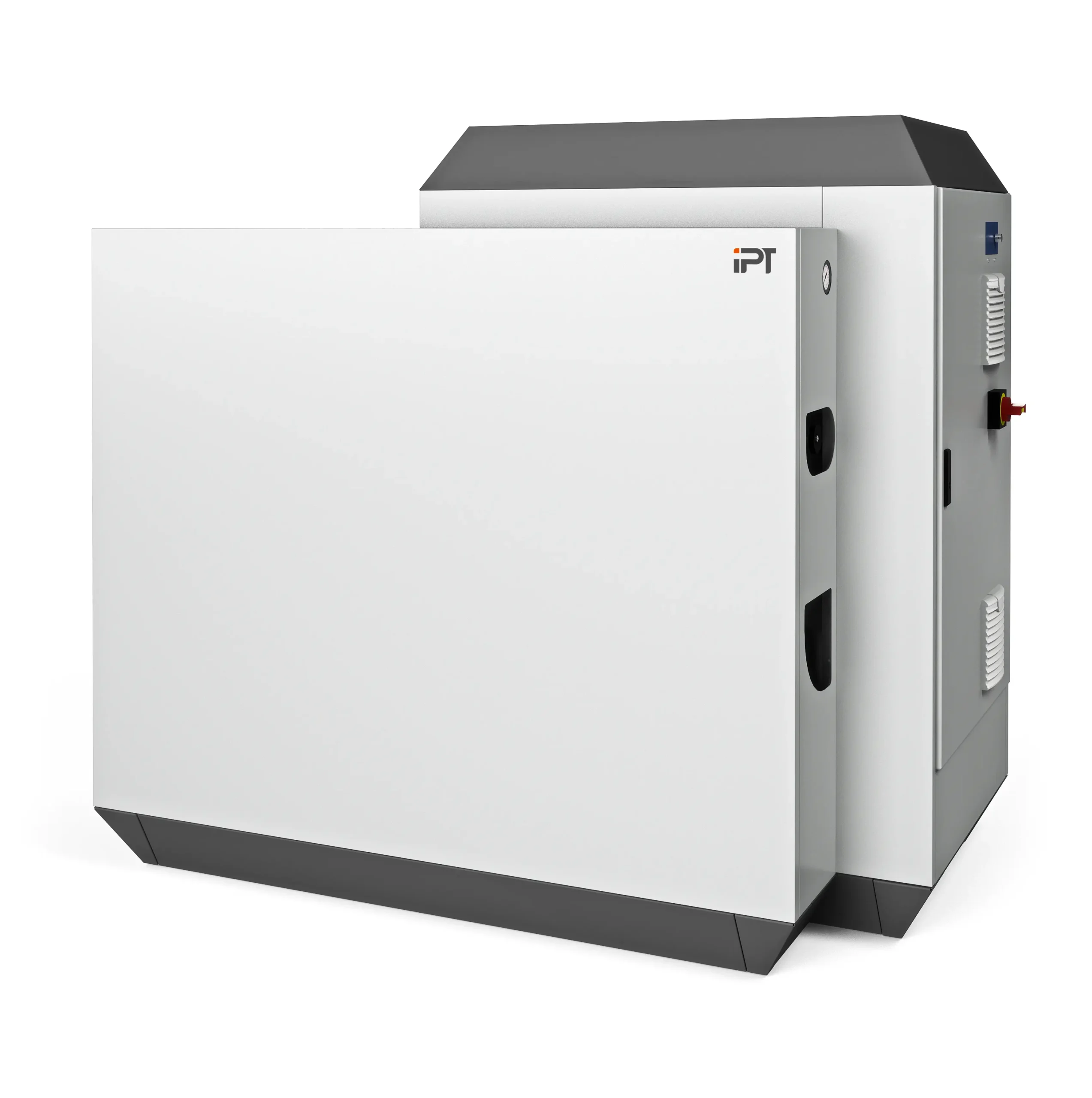
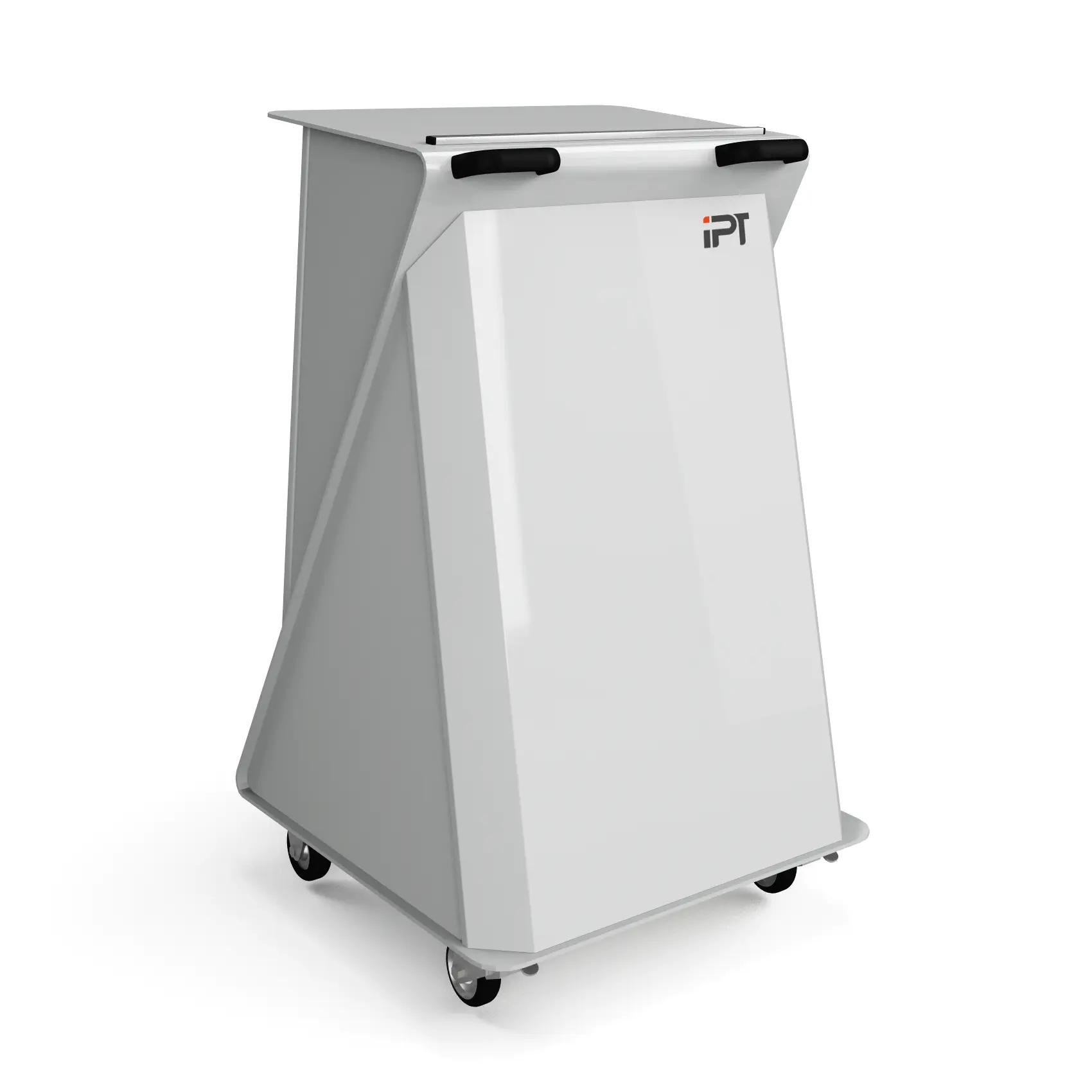
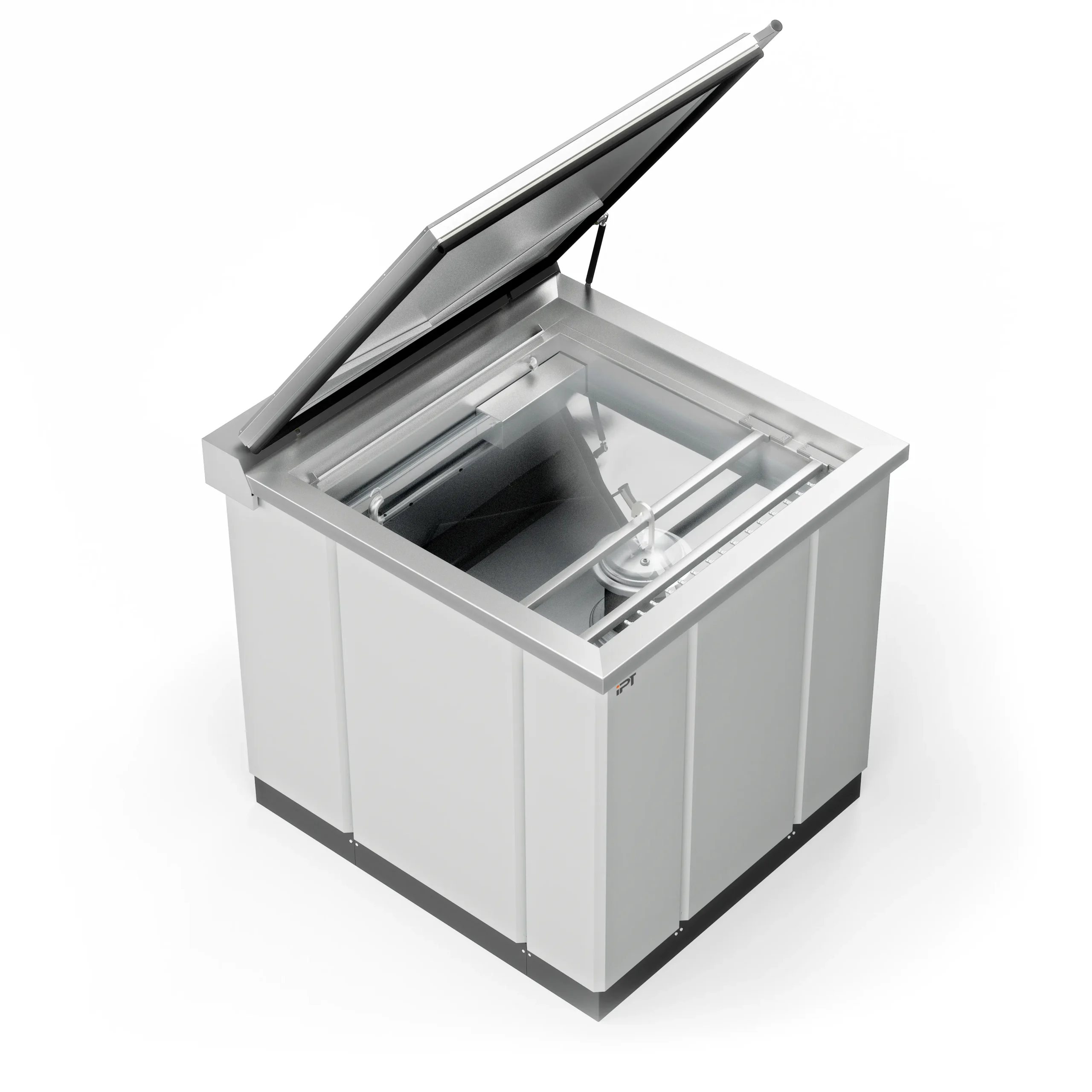
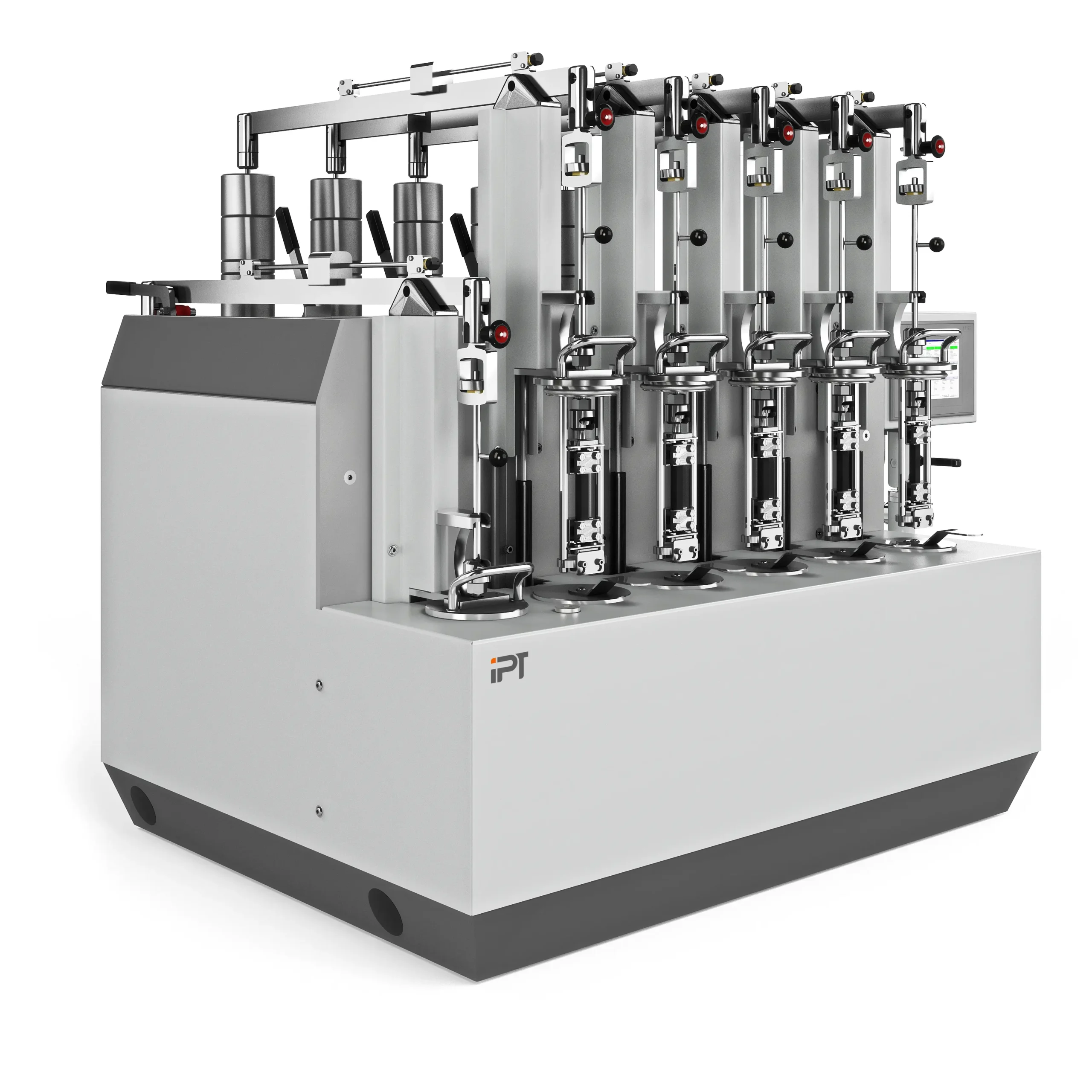
Our BasicLine product version has been specifically developed for flexible laboratory applications where compact design and mobility are key priorities. The system is small, space-saving, and easily movable – making it ideal for laboratories with limited space or changing locations.
Internal hydrostatic and quick burst test equipment
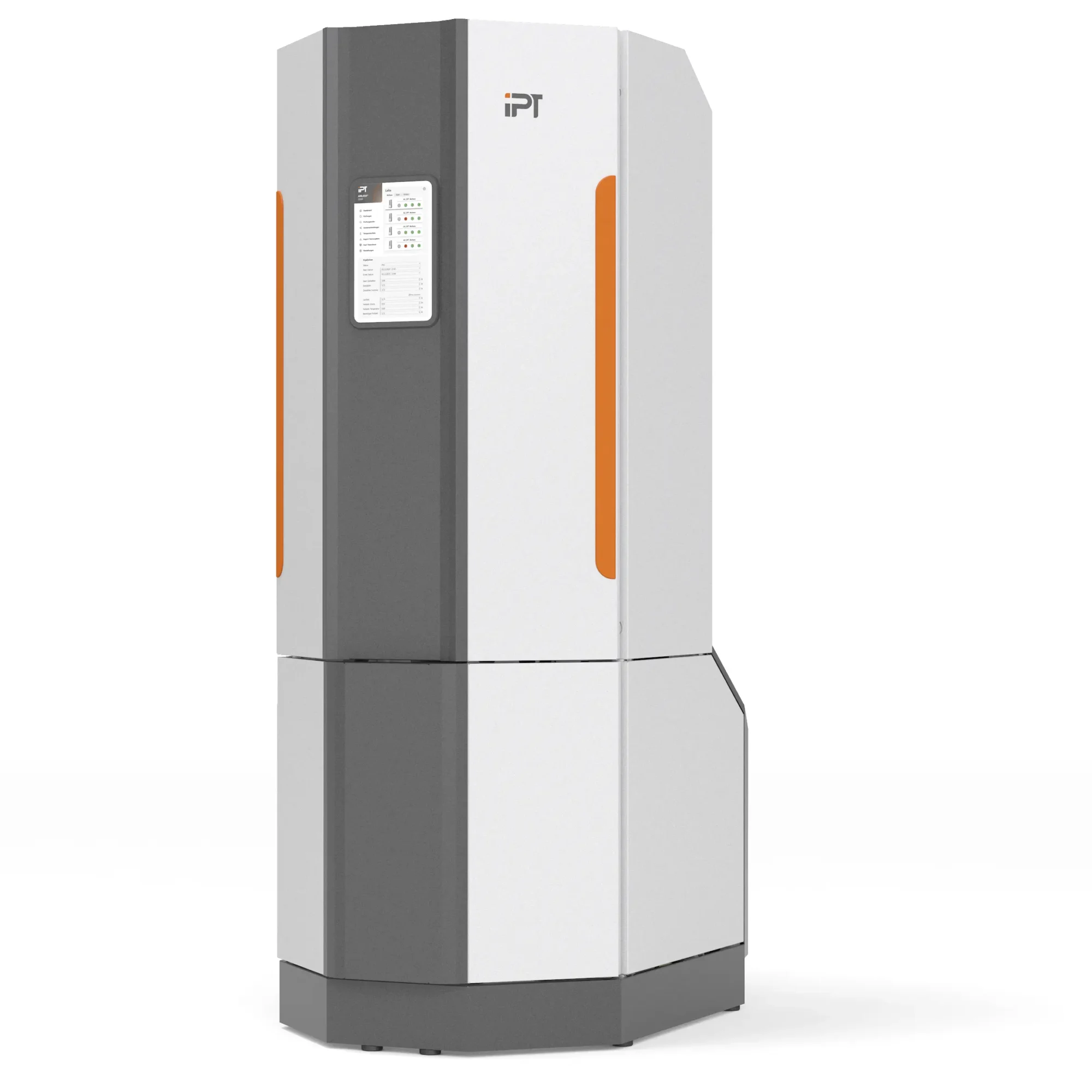
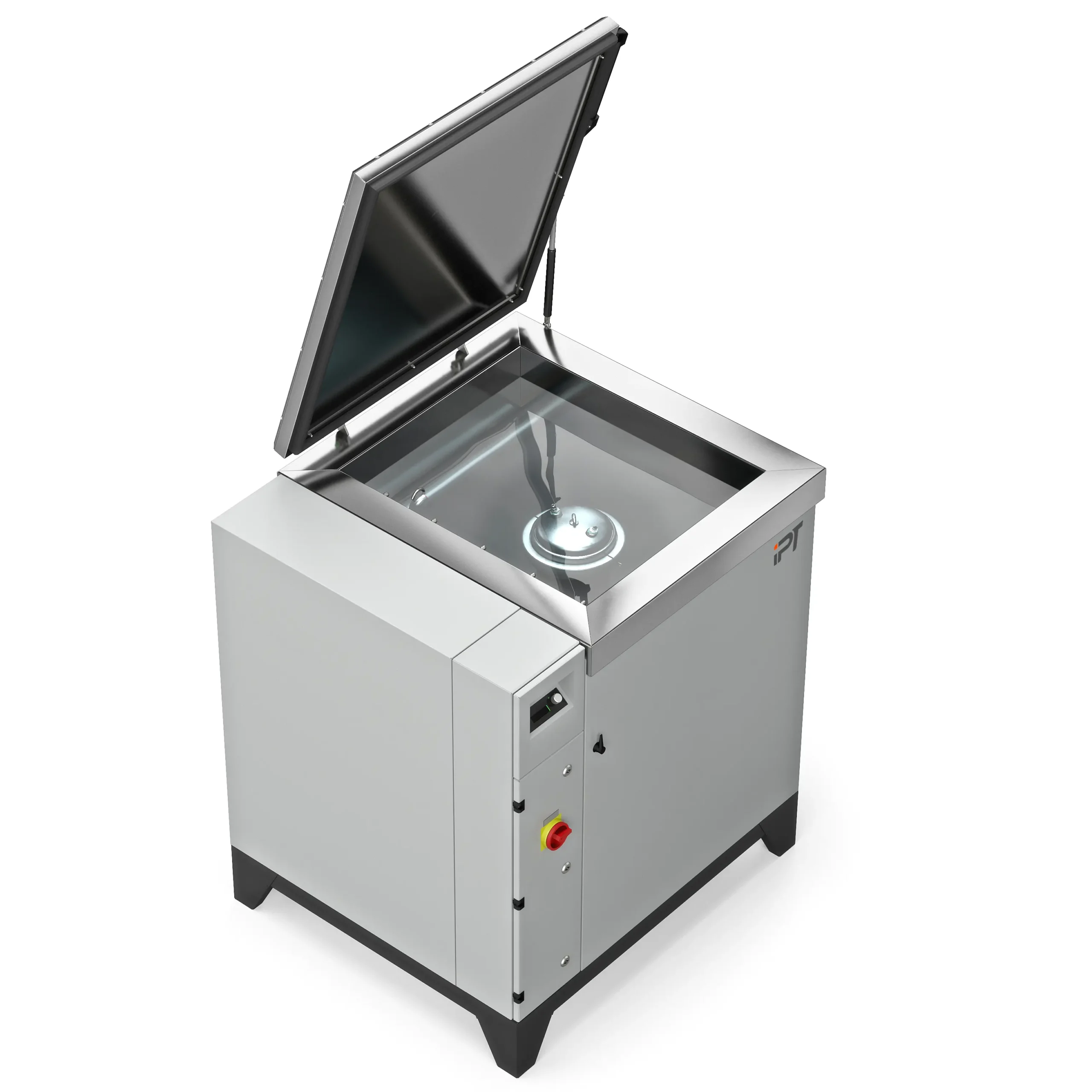
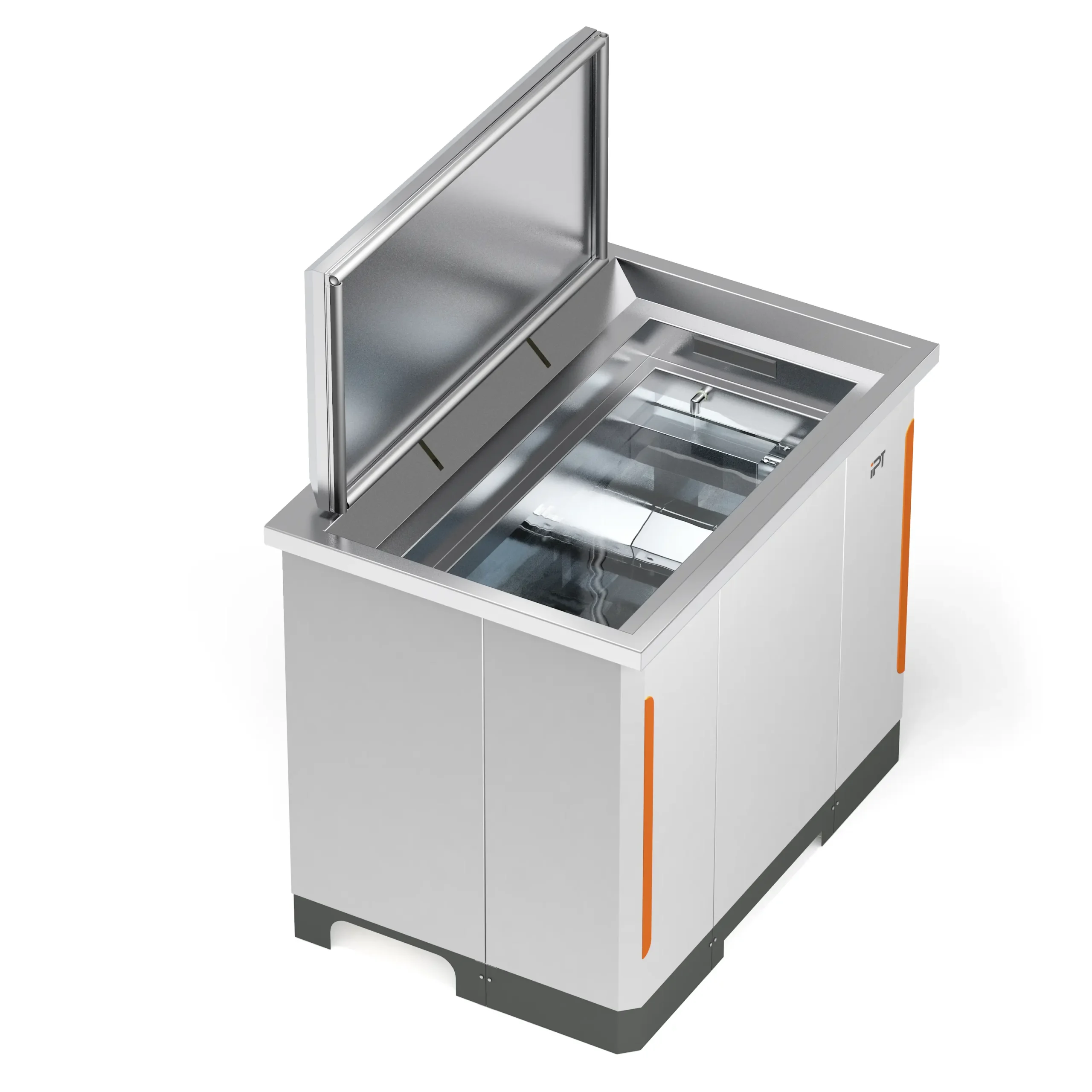
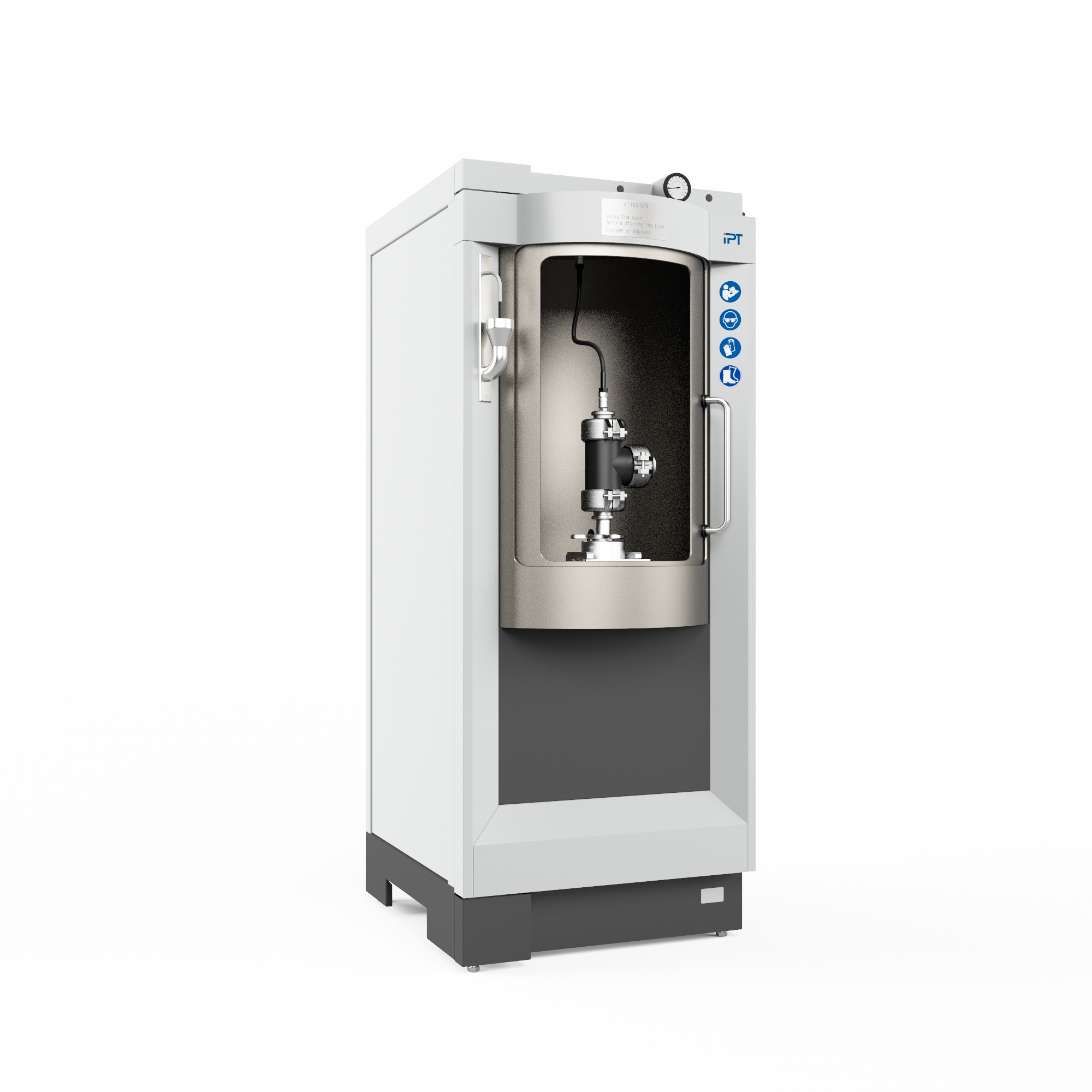
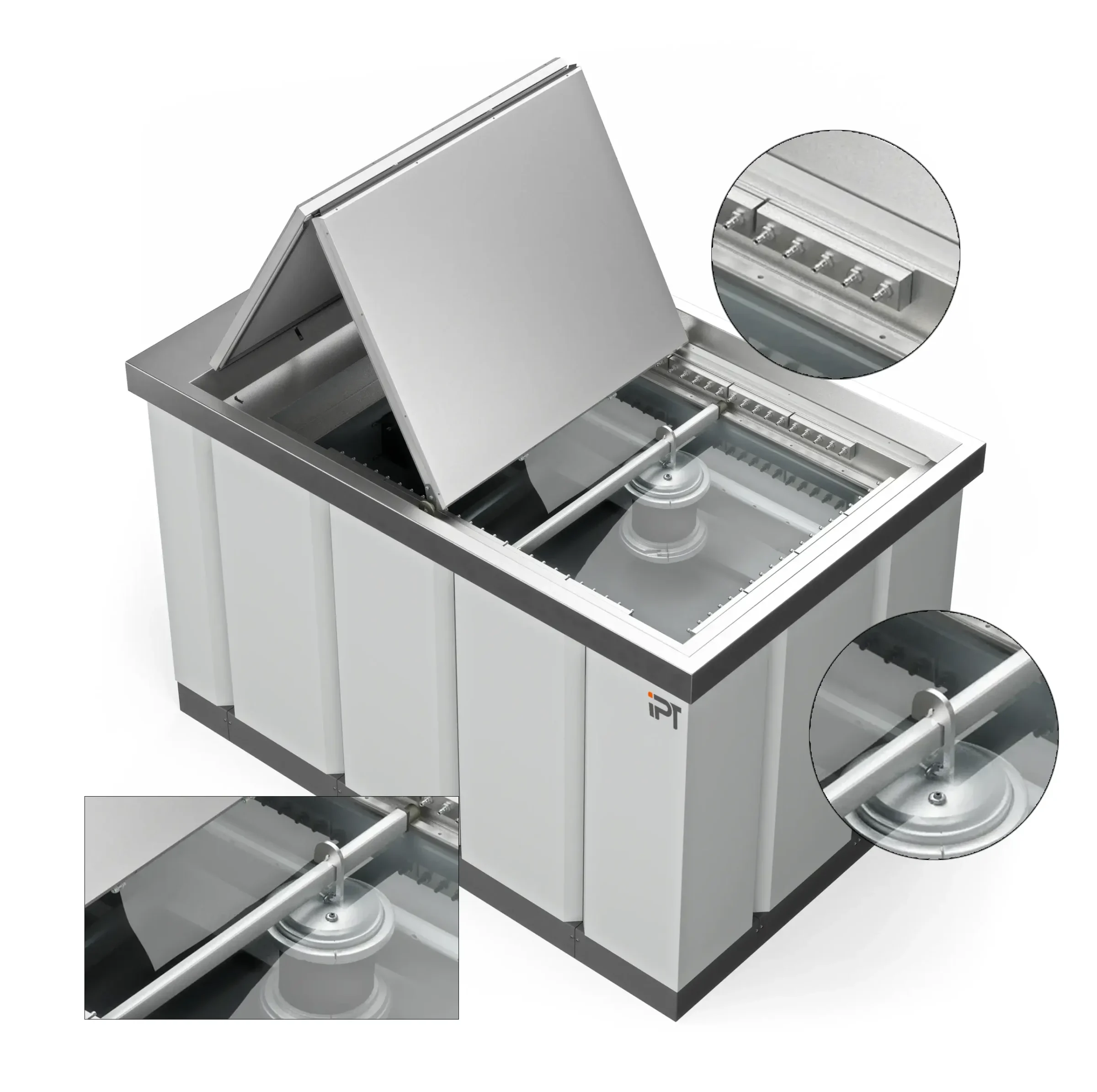
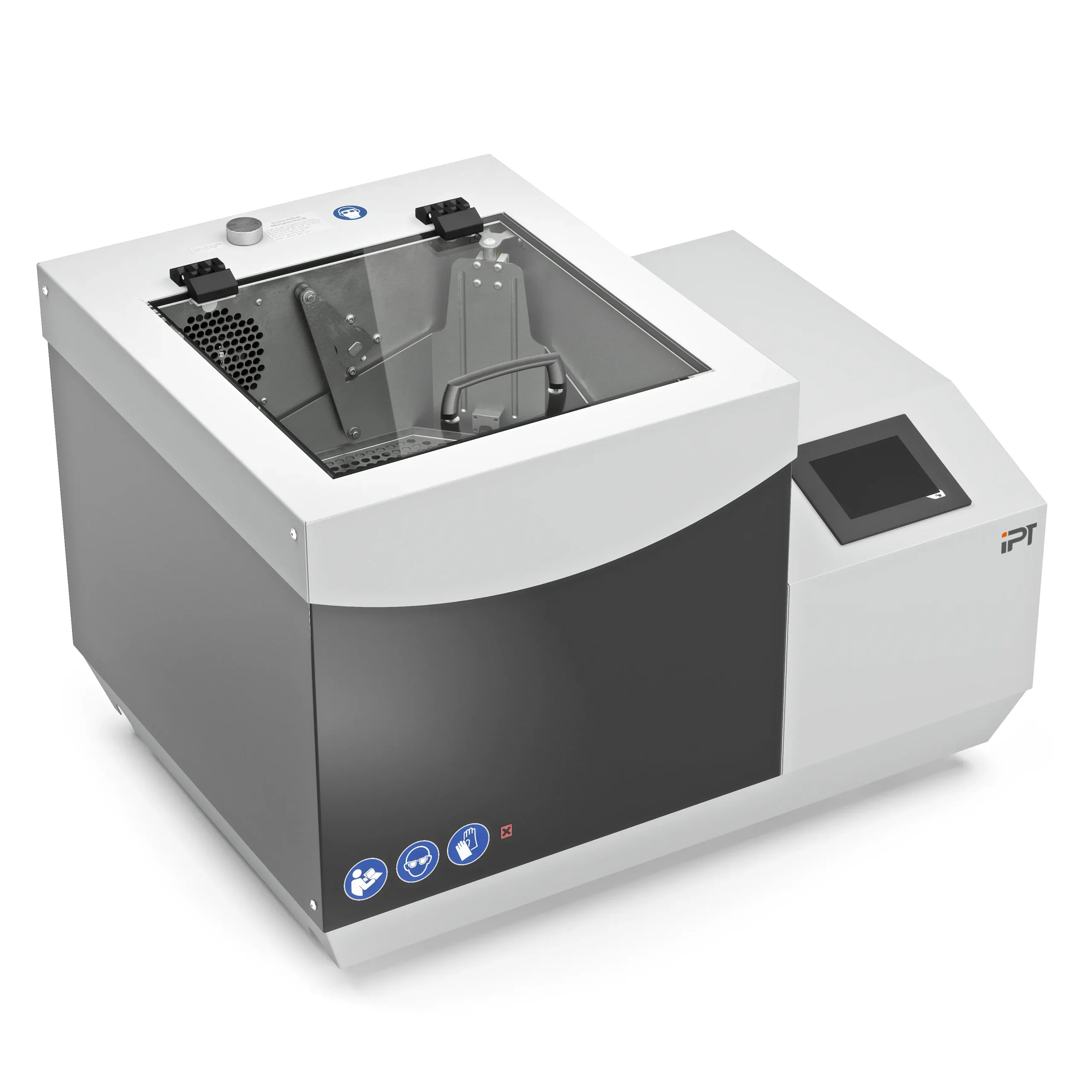
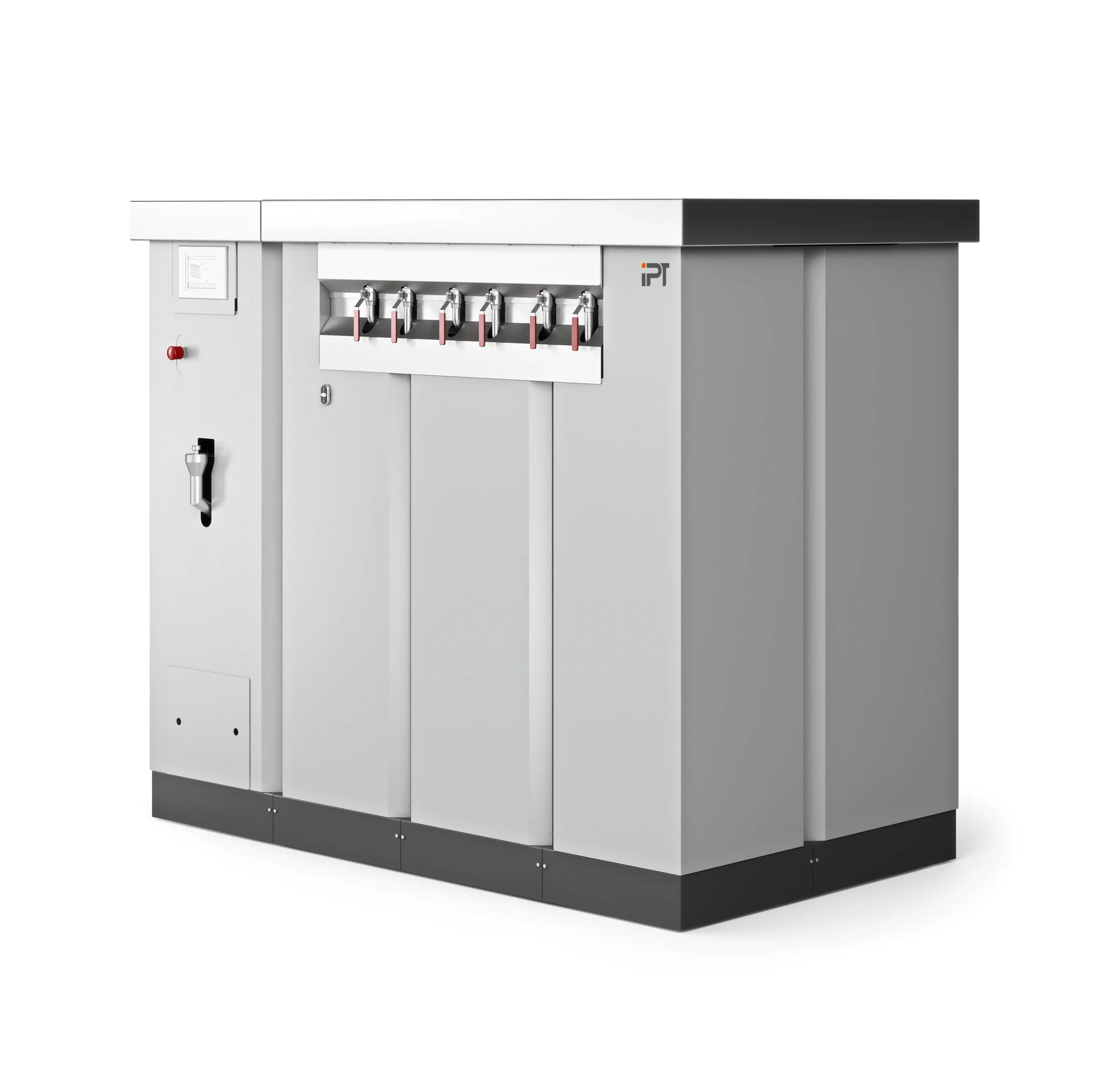
The IPT test tank for internal pressure creep testing is characterised by state-of-the-art technology, maximum safety and optimised heating power with very low energy consumption.
Internal hydrostatic and quick burst test equipment
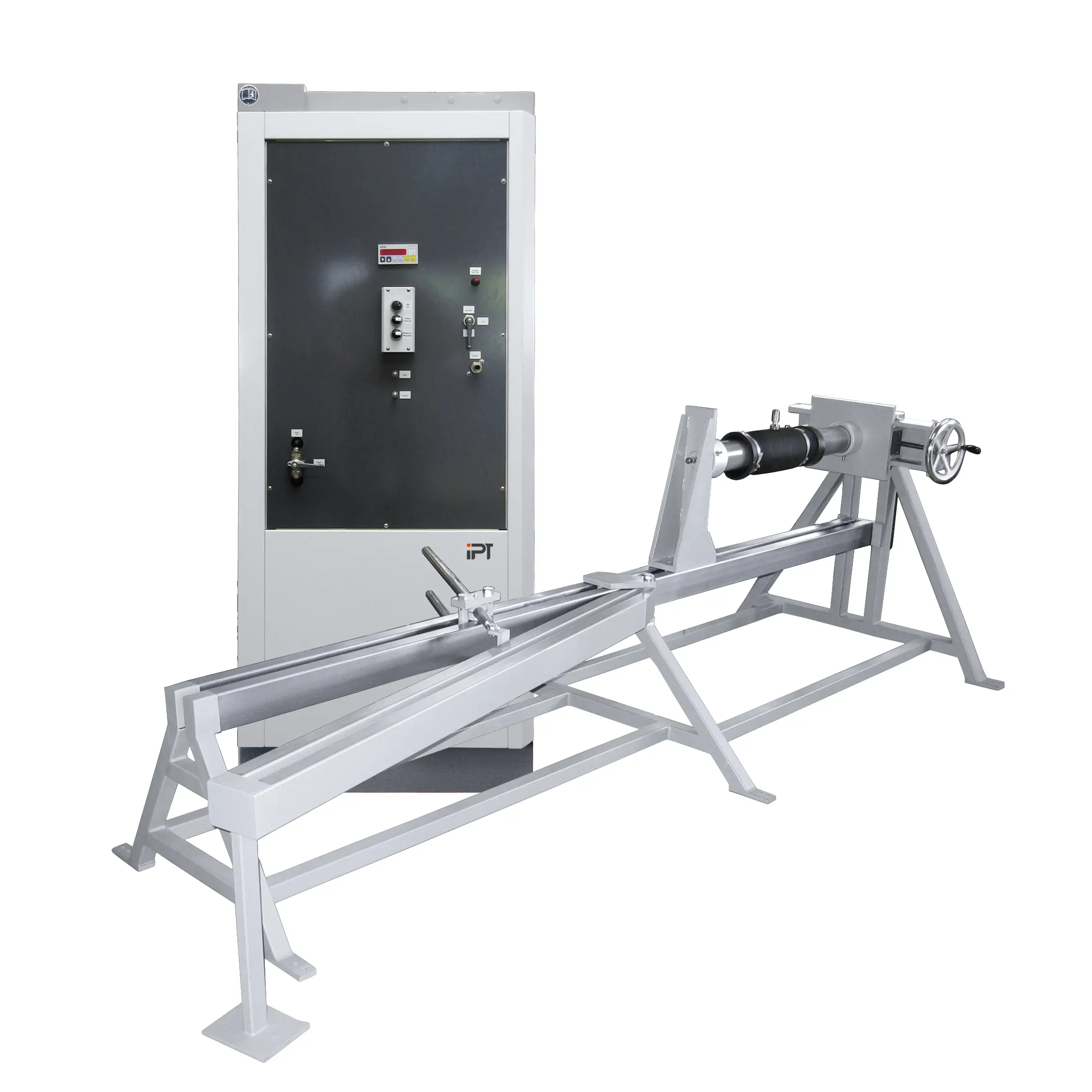
This innovative testing procedure ensures dependable assessment of structural integrity and connection strength, even for pipe sizes up to DN 630.
Available from July!
Internal hydrostatic and quick burst test equipment
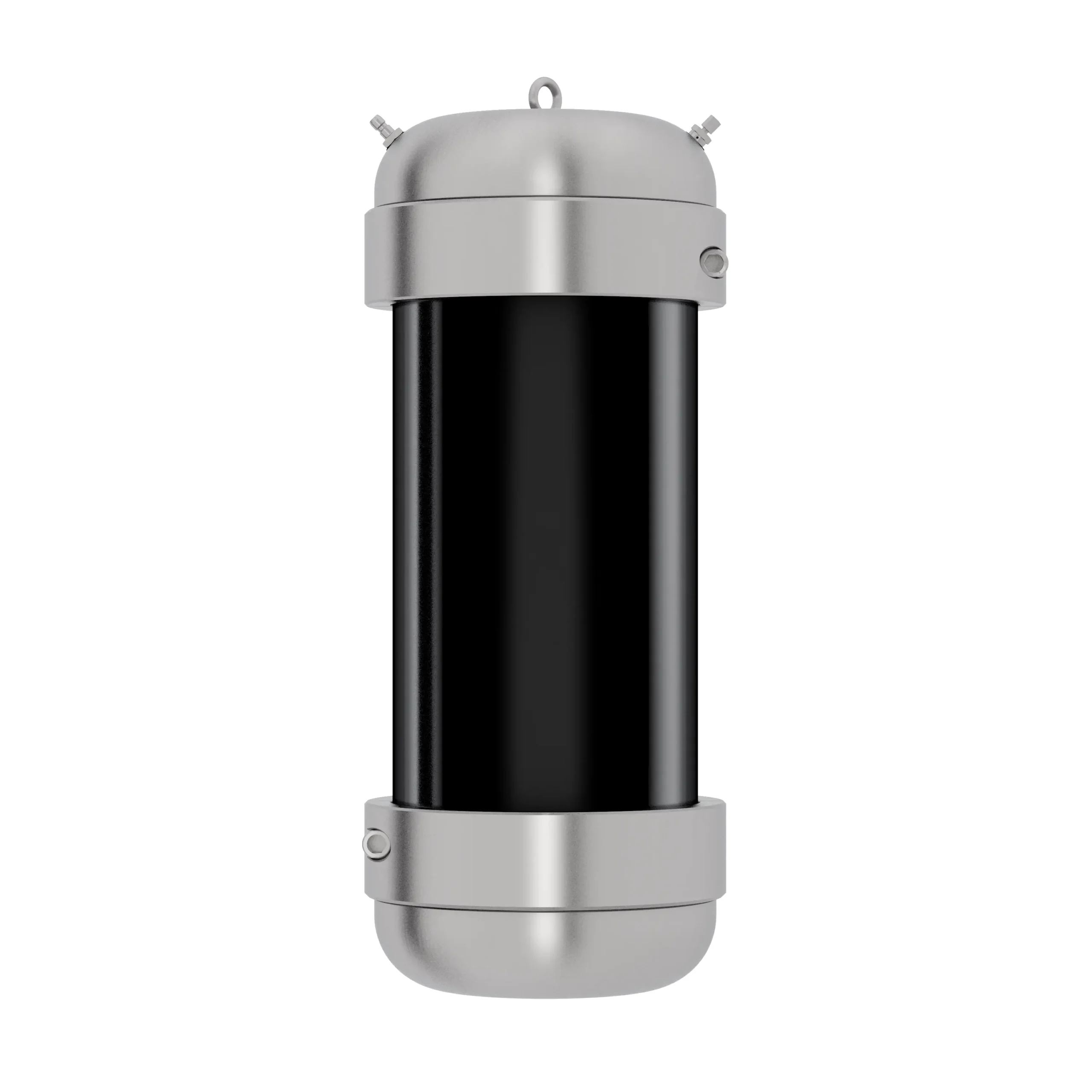
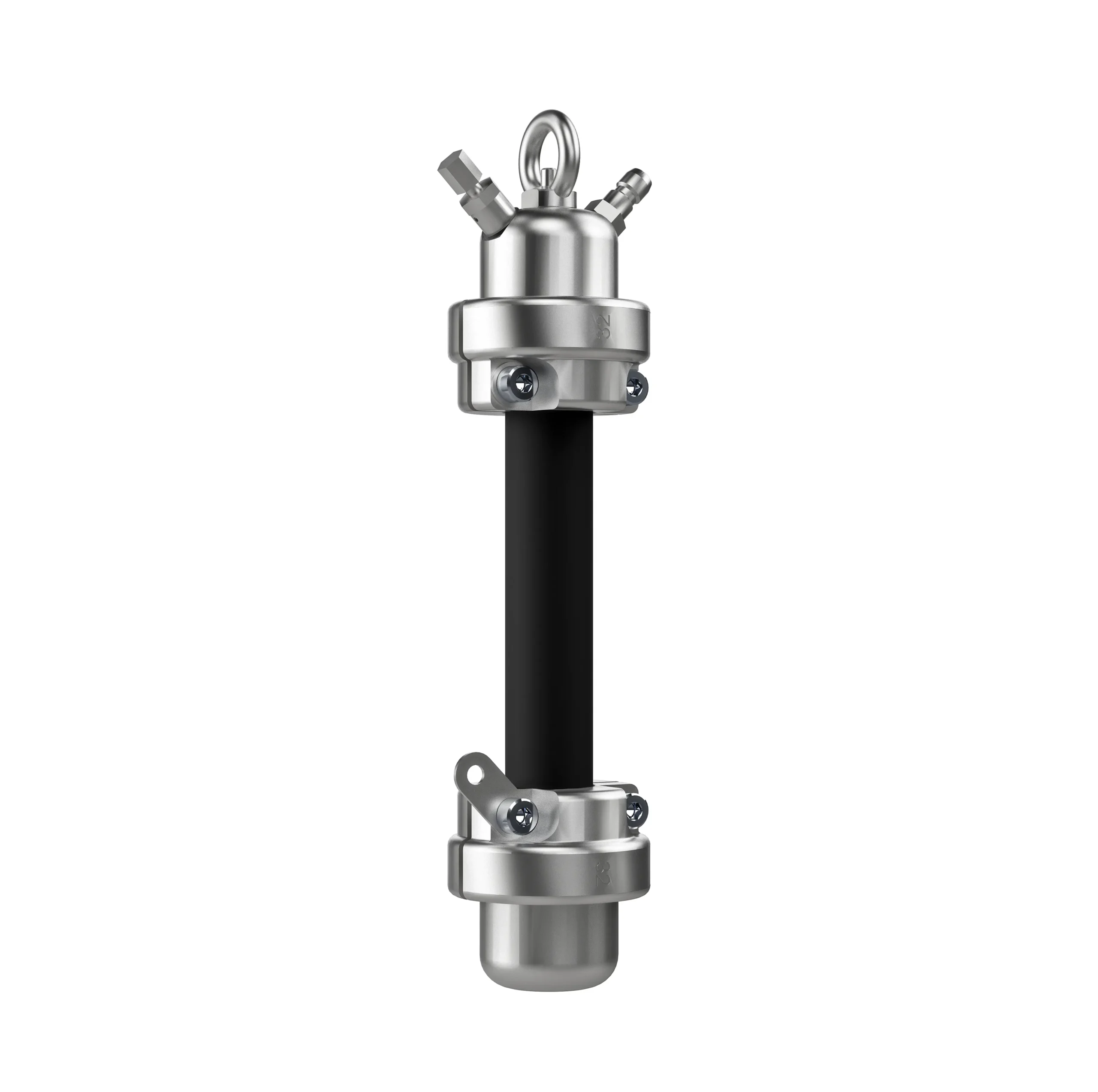
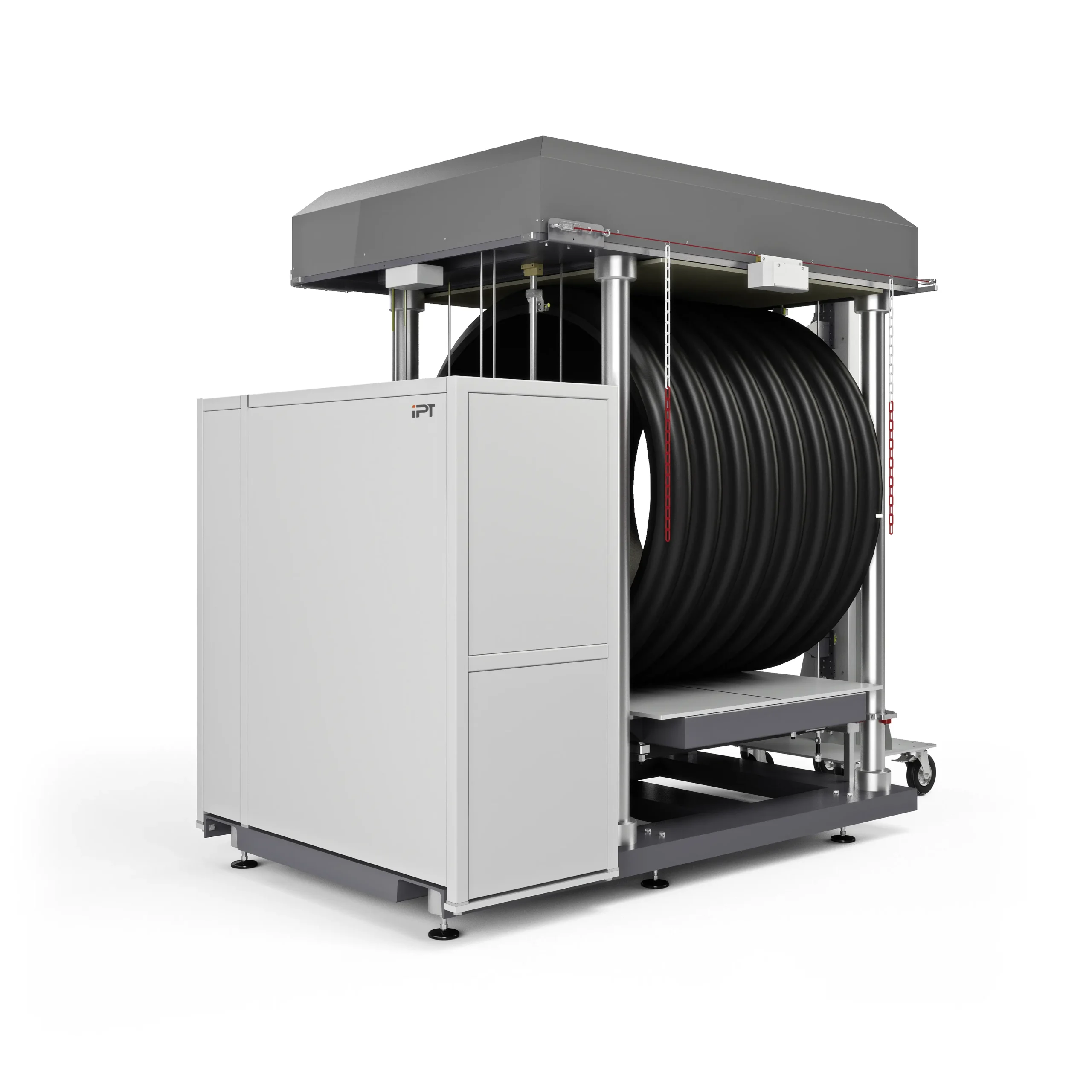
The end clolsures model 1810 are designed for the quick sealing of plastic pipes up to DN 2700 mm and are characterised by easy handling – simple, brilliant and inexpensive.
Available from July!
Internal hydrostatic and quick burst test equipment
The internal pressure creep test is a test procedure for determining the strength of thermoplastic pipes to constant hydrostatic internal pressure at a constant ambient temperature.
Internal hydrostatic and quick burst test equipment
The internal pressure creep test is a test procedure for determining the strength of thermoplastic pipes to constant hydrostatic internal pressure at a constant ambient temperature.
Internal hydrostatic and quick burst test equipment
The internal pressure creep test is a test procedure for determining the strength of thermoplastic pipes when exposed to constant hydrostatic internal pressure at
The temperature cycling test device is used to evaluate the resistance of joints in thermoplastic piping systems to temperature change stresses. Temperatures of up to 114 °C enable realistic testing conditions to ensure safety and reliability.
The temperature change tester allows you to determine the resistance of connections for pipe systems with rigid or flexible thermoplastic pipes to temperature changing stress.
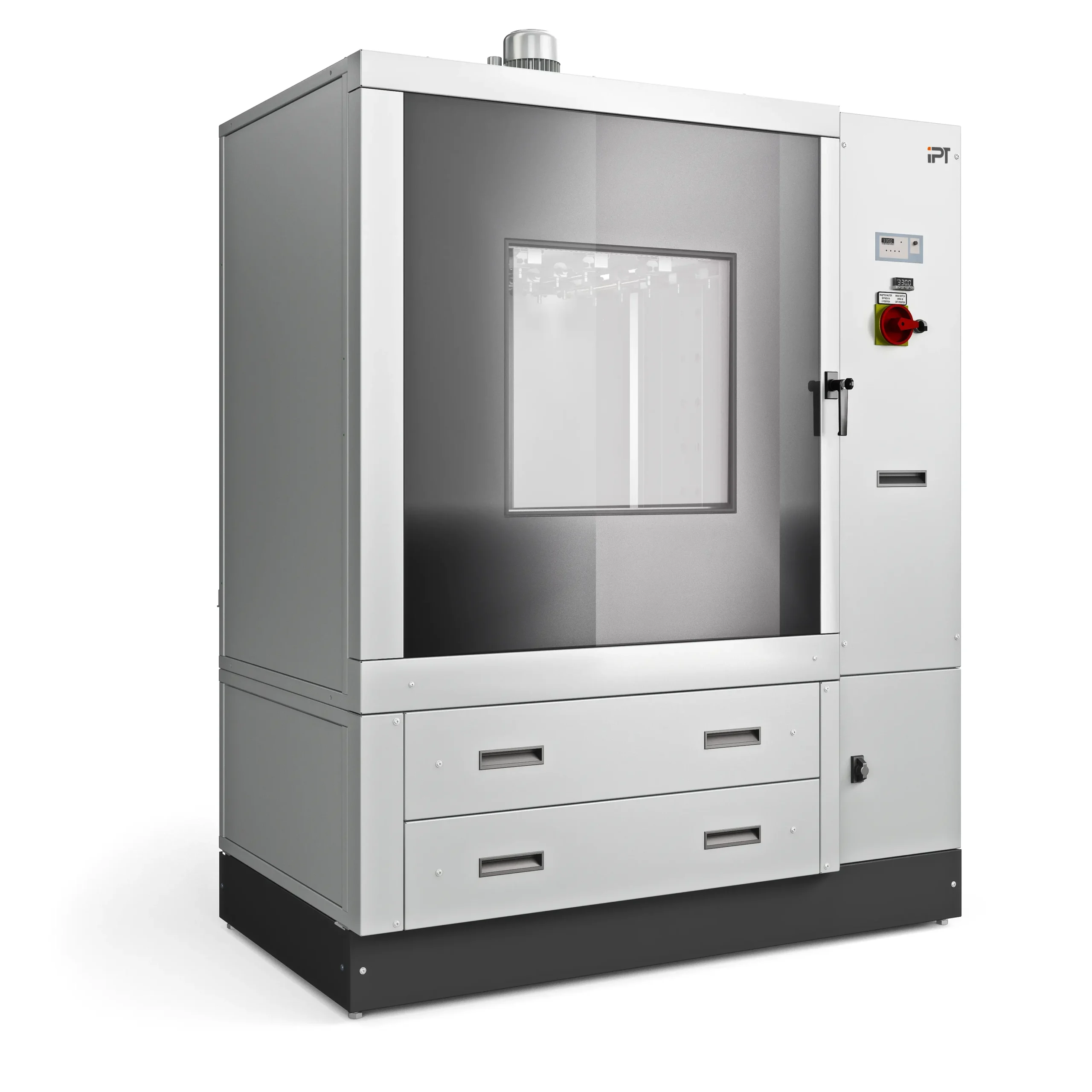
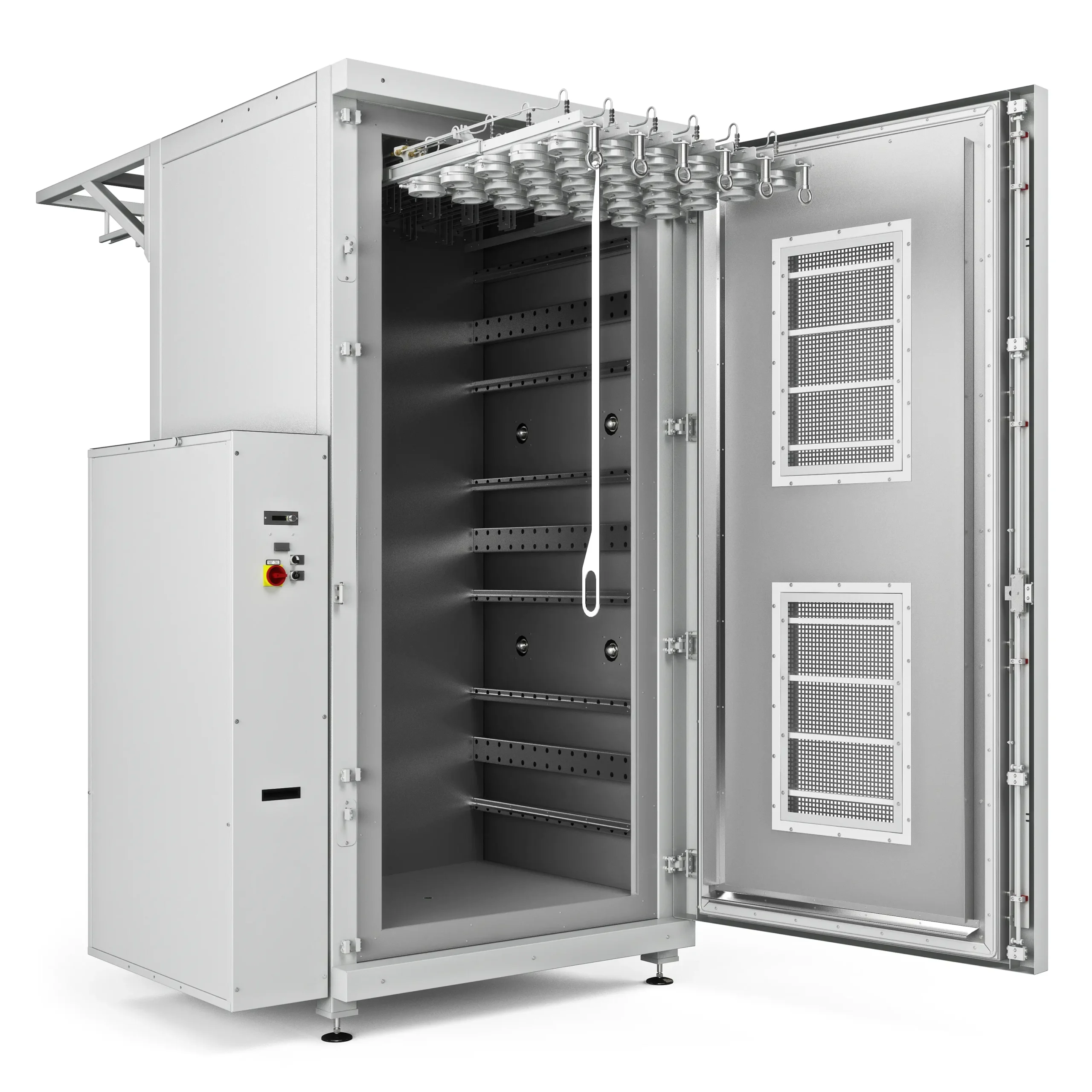
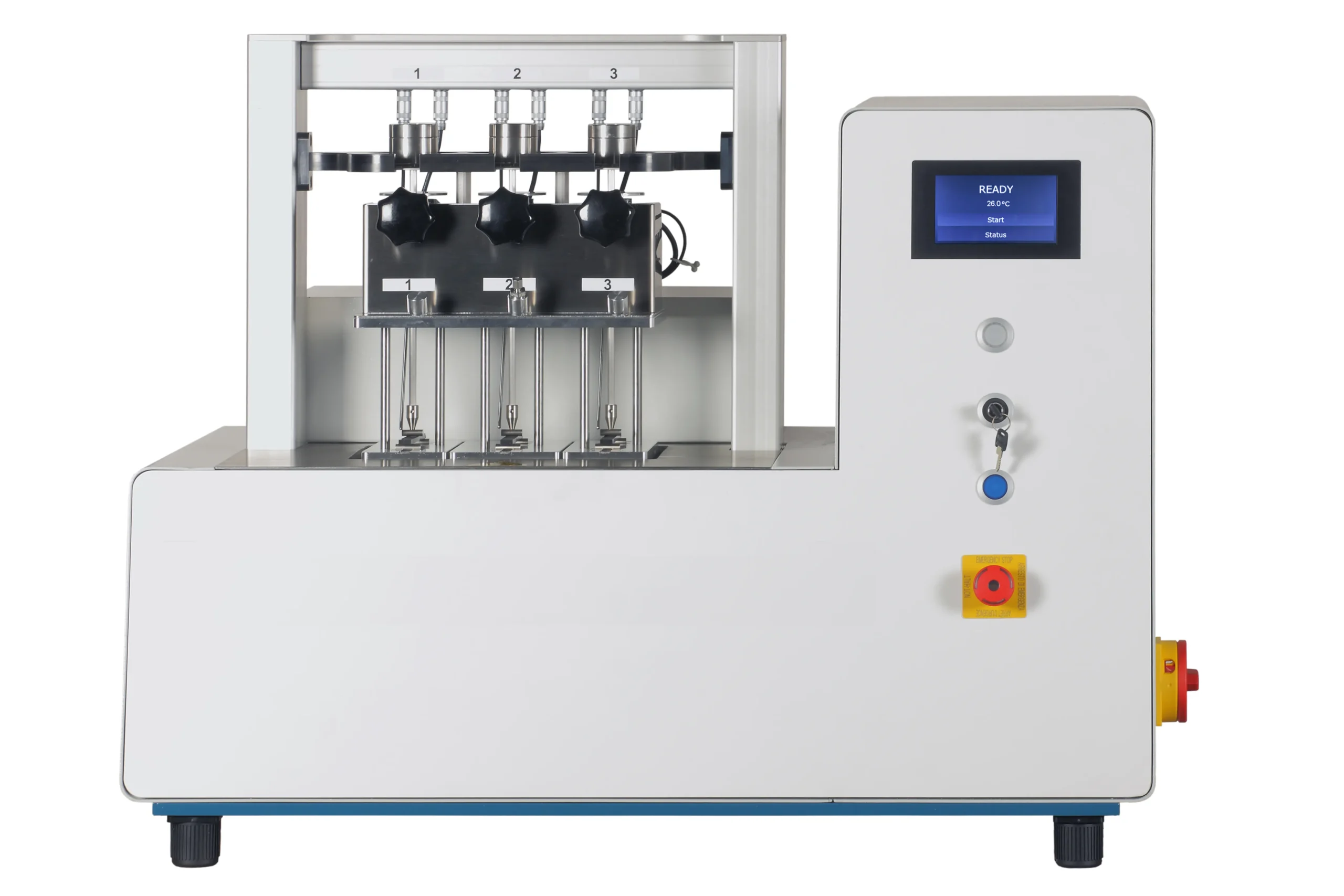
The temperature cycling test device evaluates the resistance of joints in thermoplastic piping systems with rigid or flexible pipes to temperature change stresses. It is designed for systems used in pressurized hot and cold water applications.
Internal hydrostatic and quick burst test equipment
Whether in quality assurance, laboratory environments, or production – the 1730 delivers reproducible, standards-compliant results and ensures maximum process reliability.
The methylene chloride tester model 1800 is used for material testing of extruded profiles and pipes made of rigid PVC (e.g. pipes) in accordance with ISO 9852 or EN 580.
The tensile creep tester is used to determine the stress crack resistance of samples with a circumferential notch (FNCT – Full Notch Creep Test) under media influence.
The tensile creep tester is used to determine the stress crack resistance of samples with a circumferential notch (FNCT – Full Notch Creep Test) under media influence.
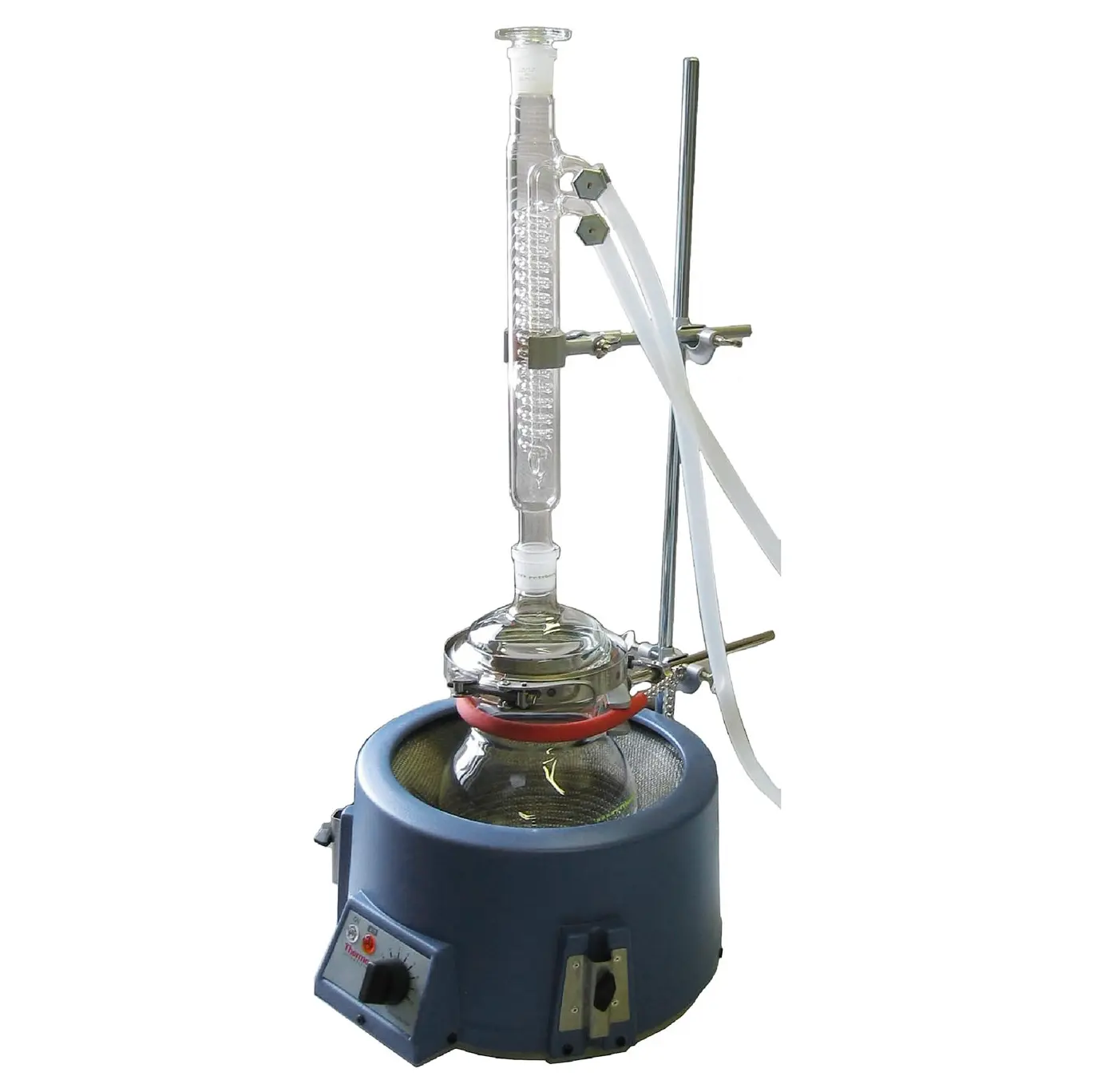
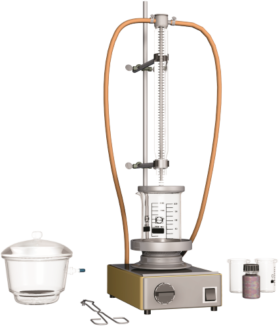
ISO 10147 stipulates that test samples made from crosslinked polyethylene (PE-X) must be stored in a specified, boiling solvent for a specific period of time and that the percent by weight of insoluble material is then measured.
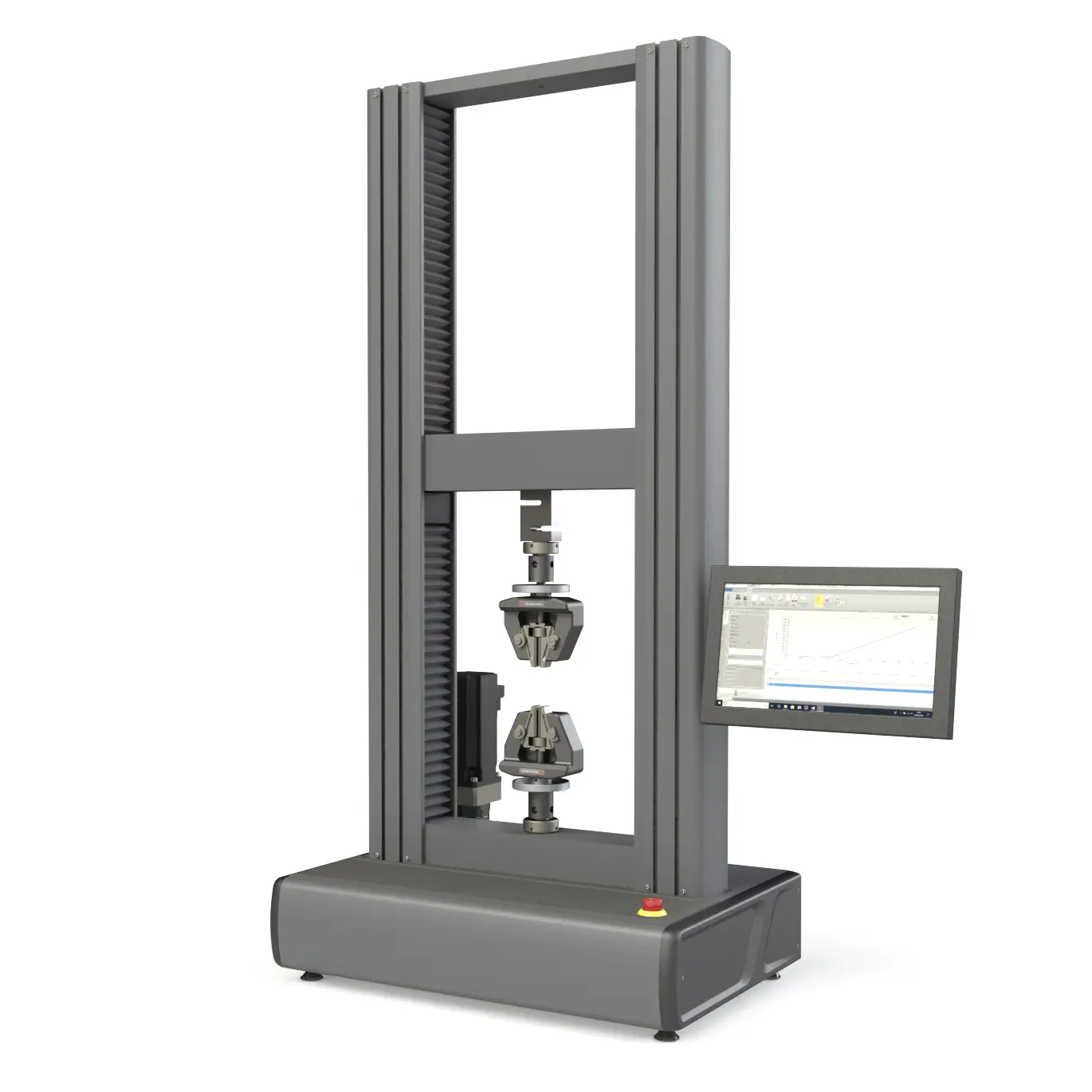
The universal tensile tester is used for performing tension, pressure or bending tests. The classic application is the tensile test. This involves subjecting a sample to an increasing tensile load until it breaks.
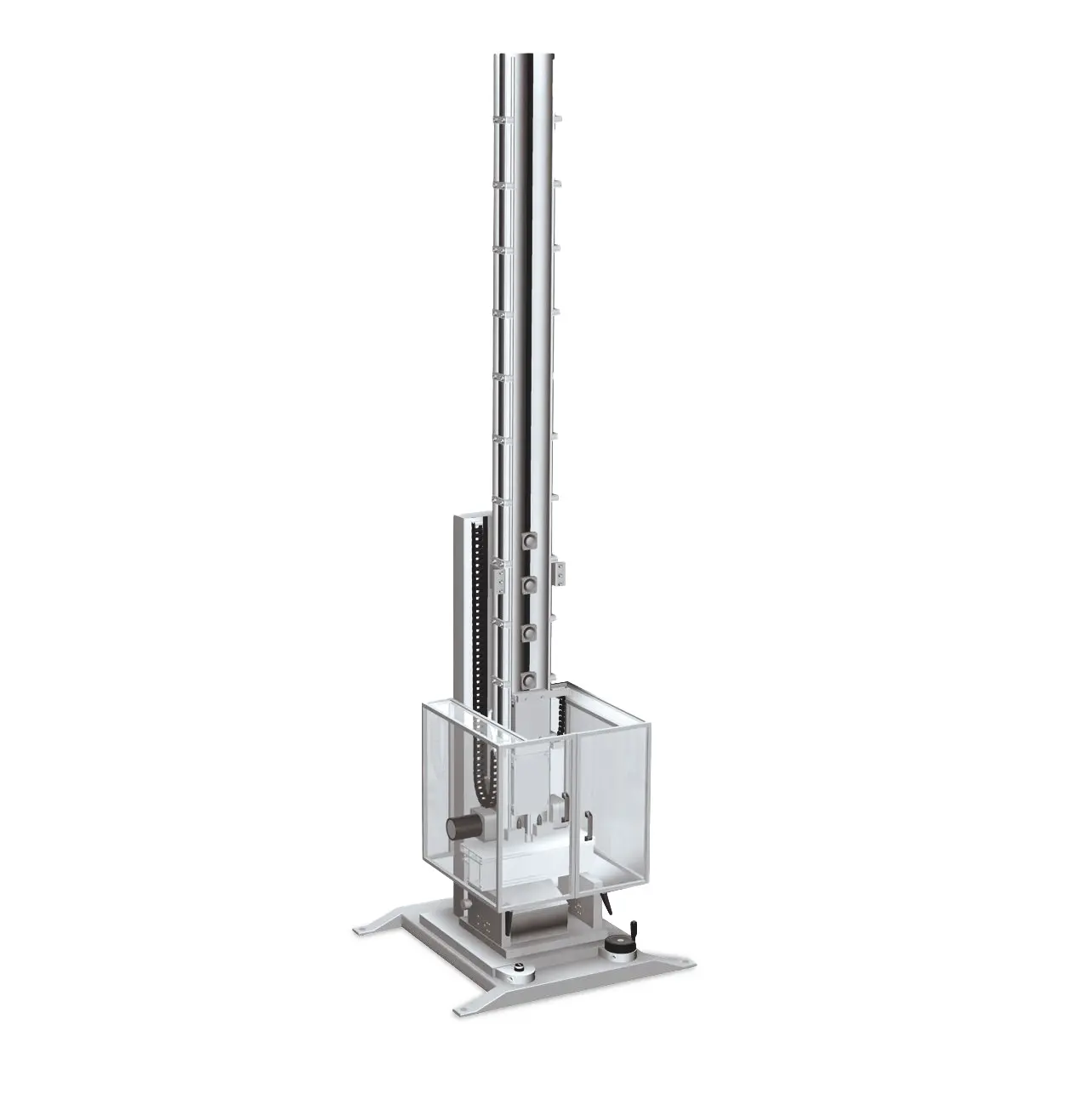
You can test packaging of varying shapes and sizes for impact stress after free fall using IPT’s drop testers. The packaging can be tested with its content and may consist of cans, barrels and boxes.
With the increasing popularity of plastic window and door profiles, the demands on the material have also increased in recent years, particularly in terms of load-bearing capacity and durability.
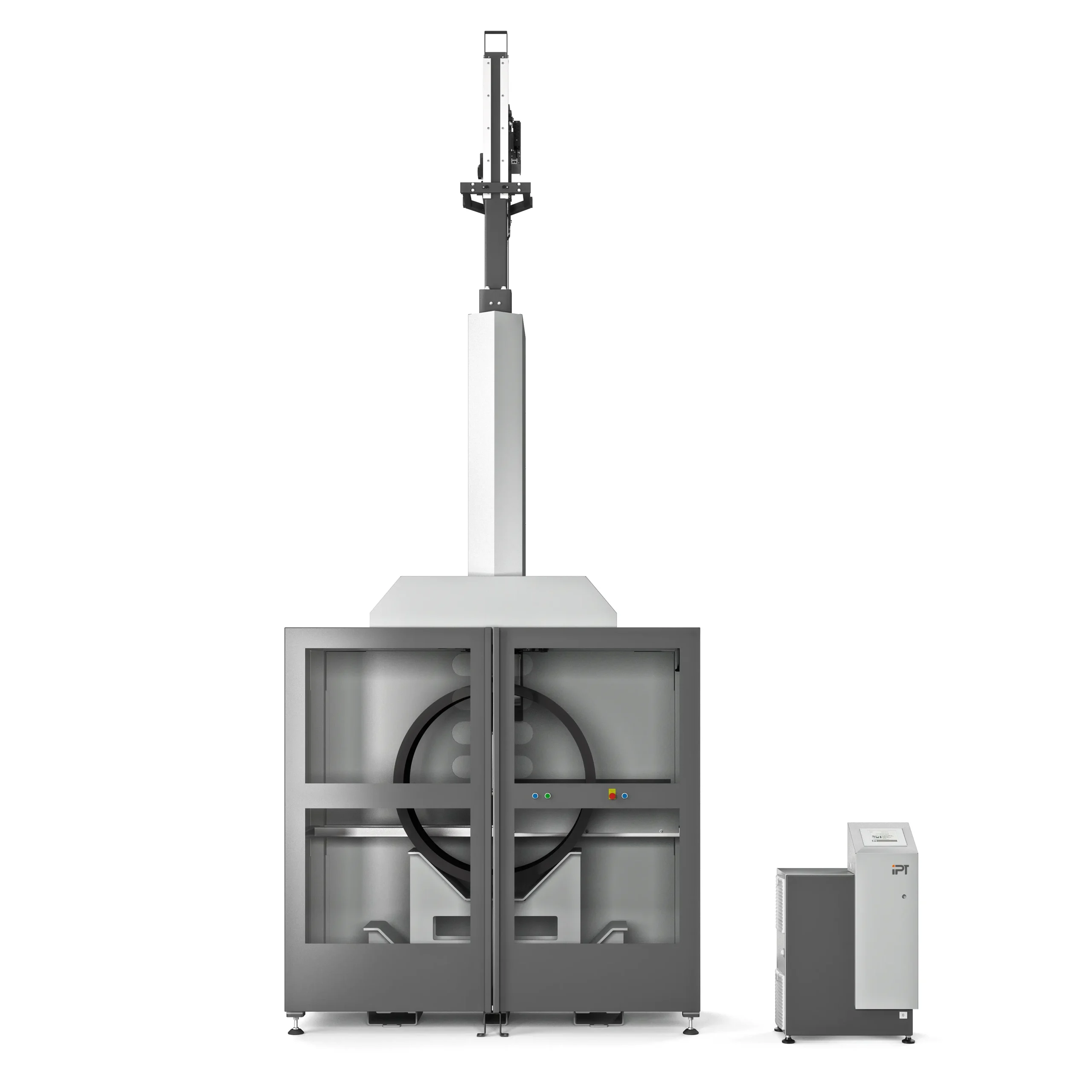
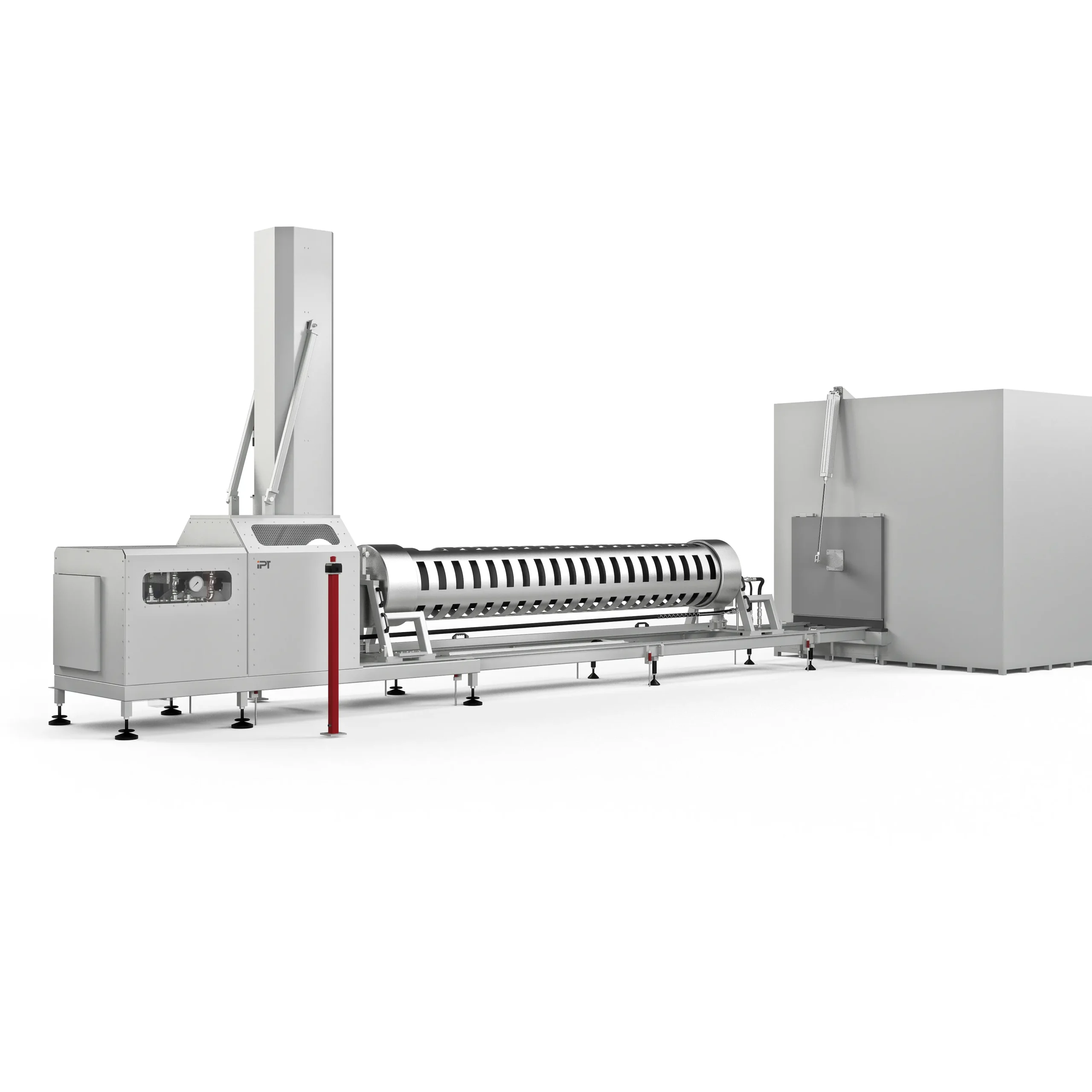
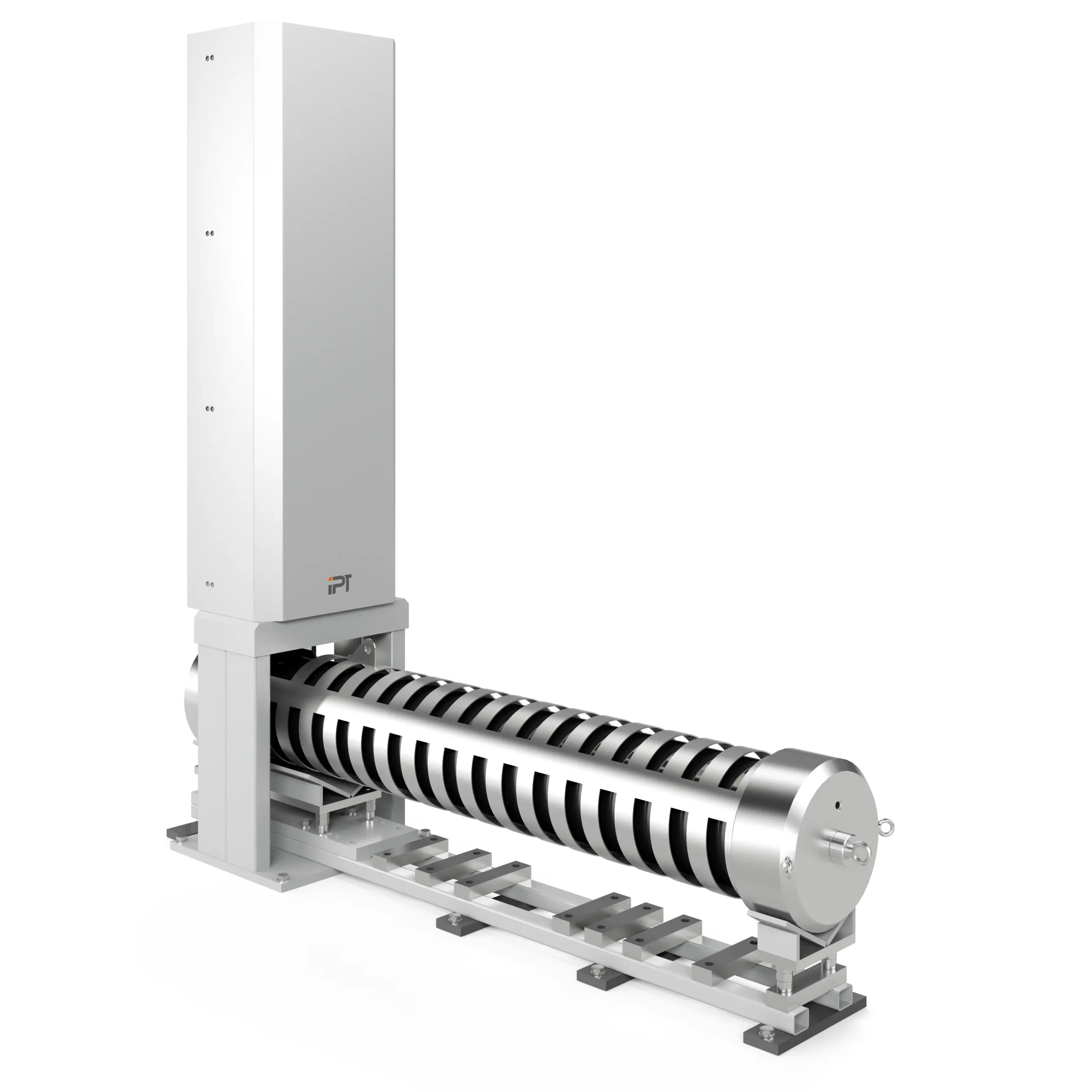
The tester model 1629 is used to determine the resistance of plastic pipes to rapid crack propagation under internal overpressure and low temperatures in accordance with ISO 13477 (Rapid Crack Propagation).
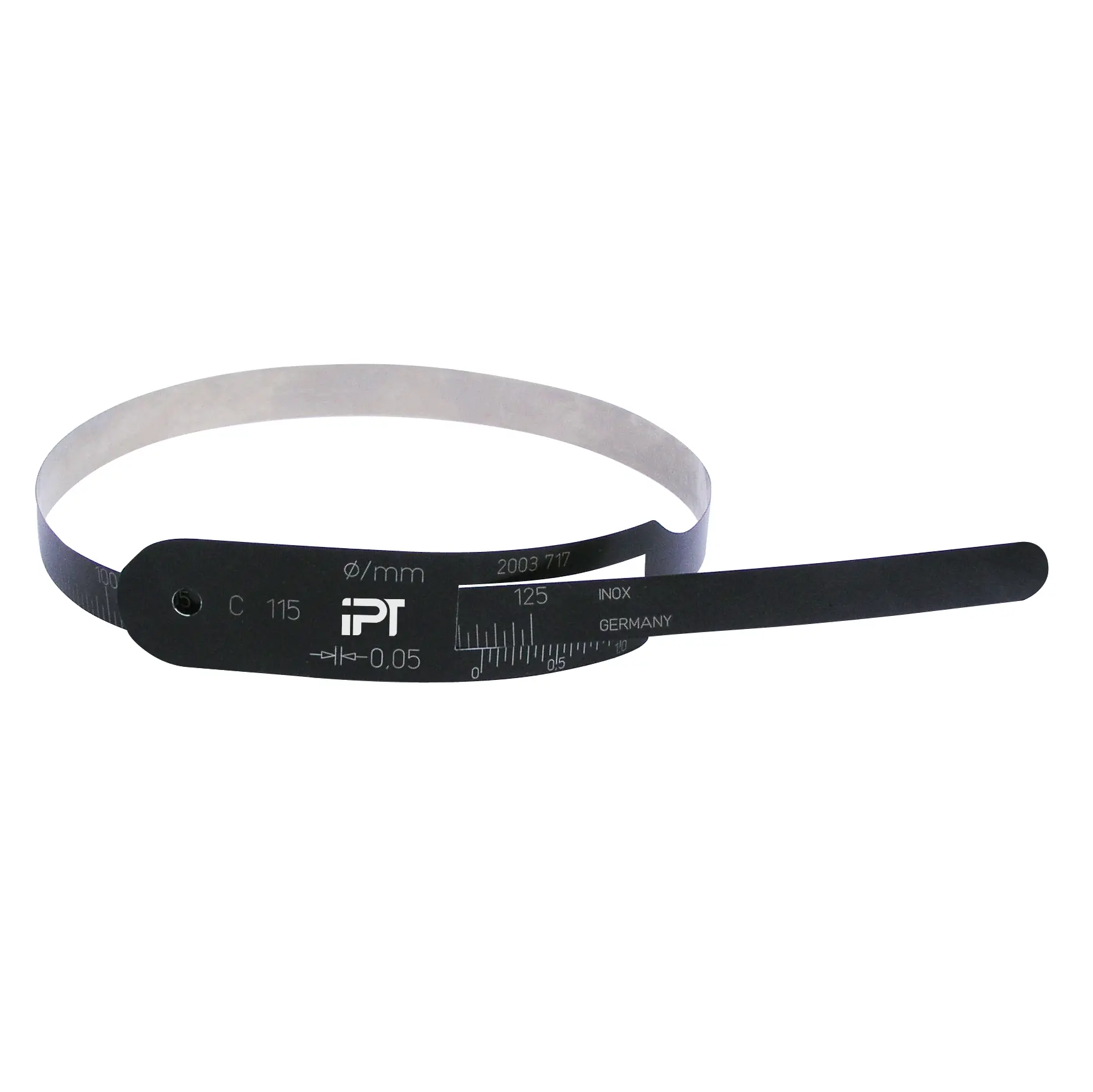
To determine the change in length as a result of warm storage, the marking gauge can be used to mark precise parallel circles on the outer surface of pipe segments with a diameter of up to 400 mm.
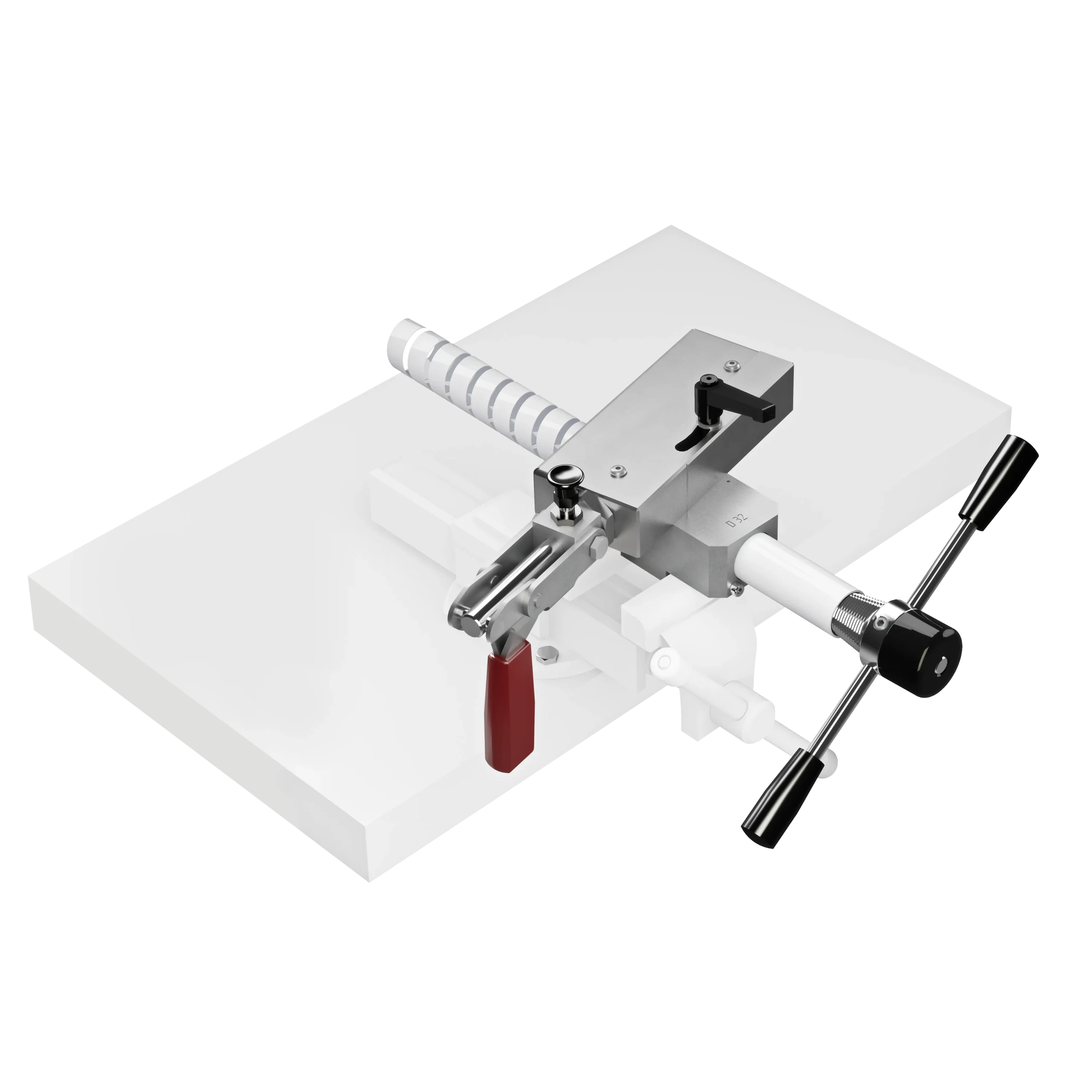
To determine the delamination between the different material layers of cross-linked polyethylene pipes, samples up to a diameter of 32 mm can be produced.
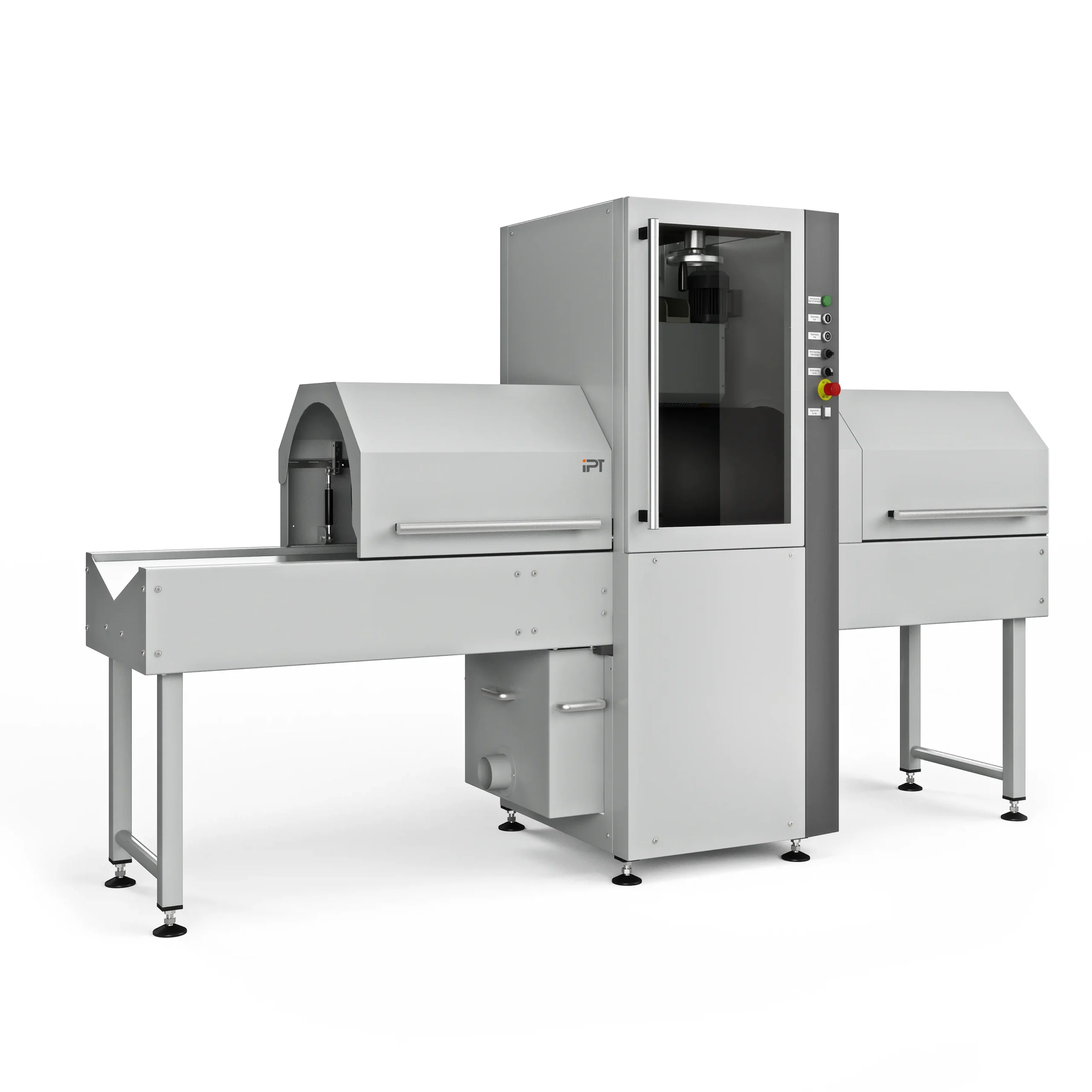
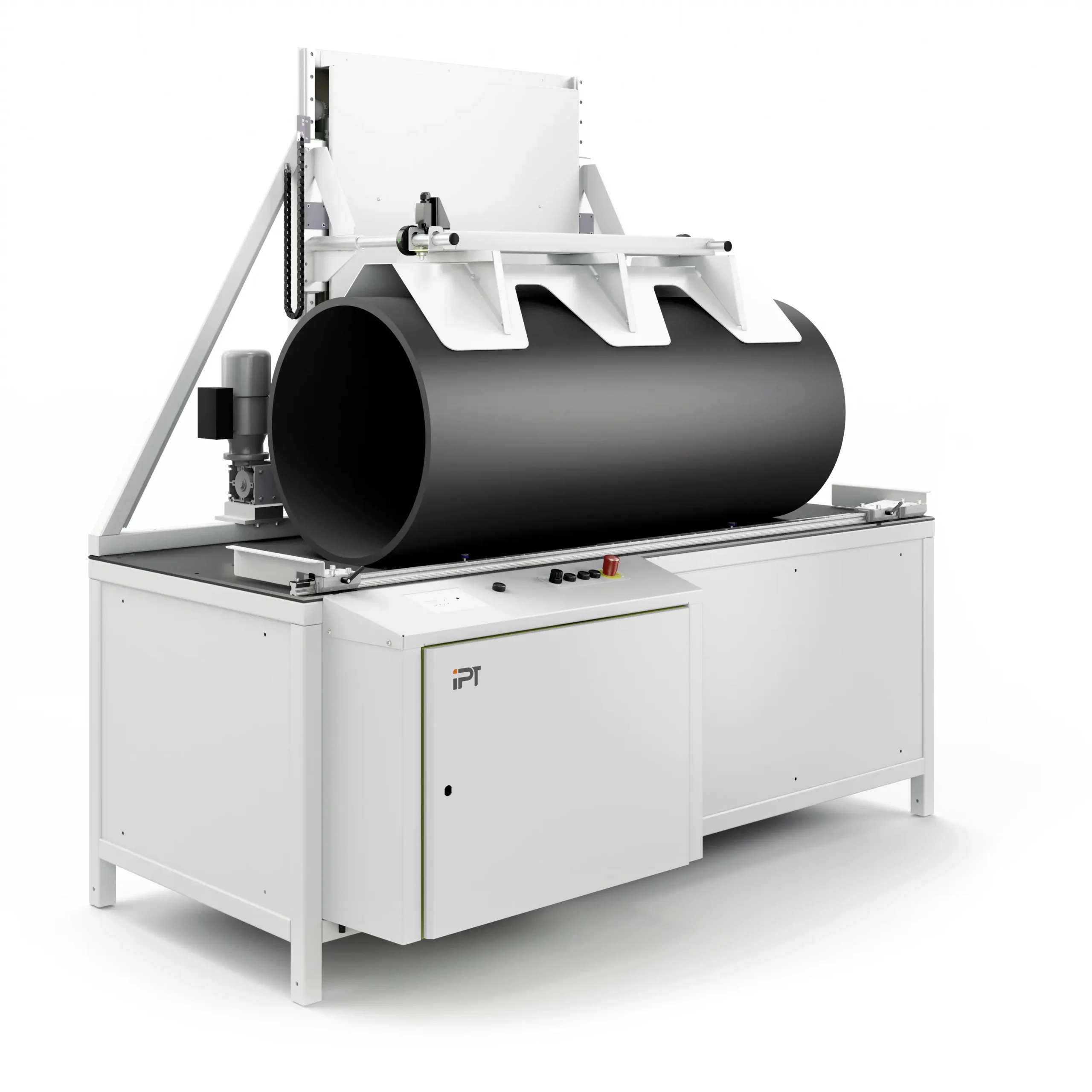
To produce test specimens for creep pressure tests, falling weight tests, heat reversion tests, or tests with the methylene chloride tester, the pipe lengths must be cut to standard dimensions.
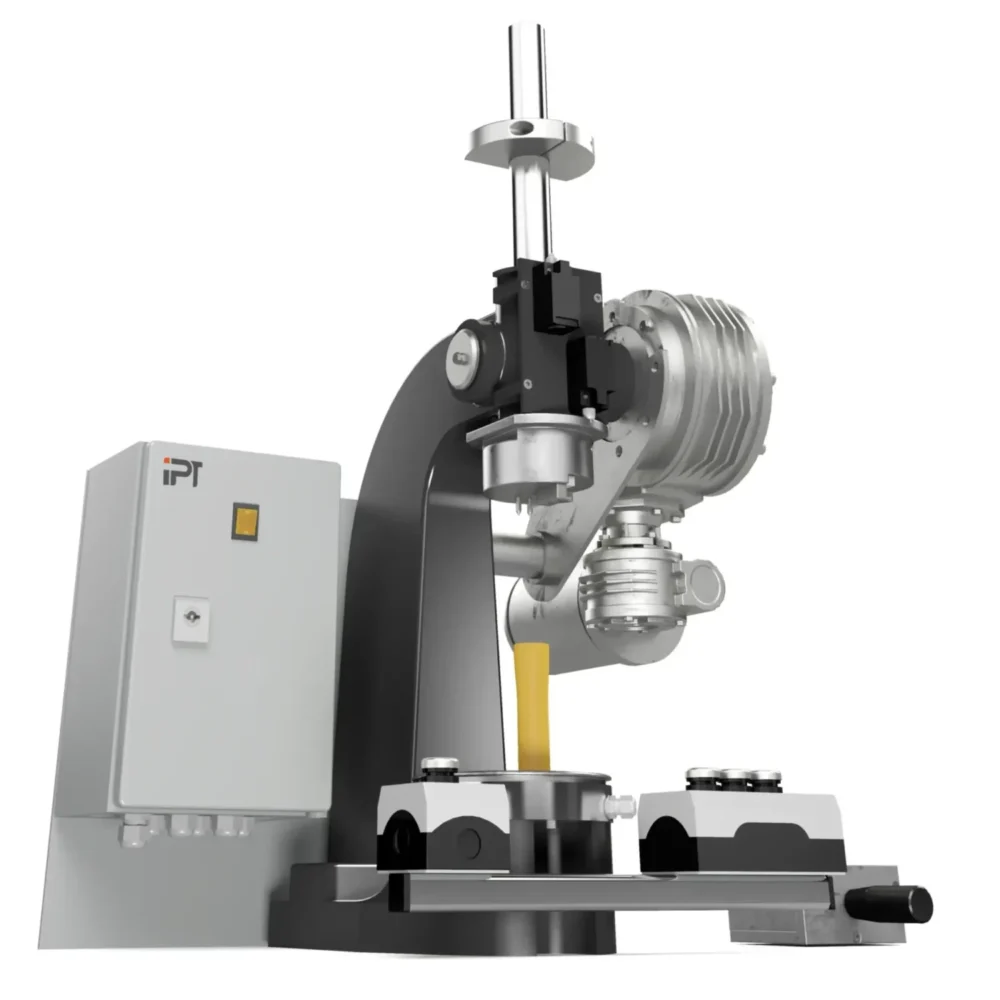
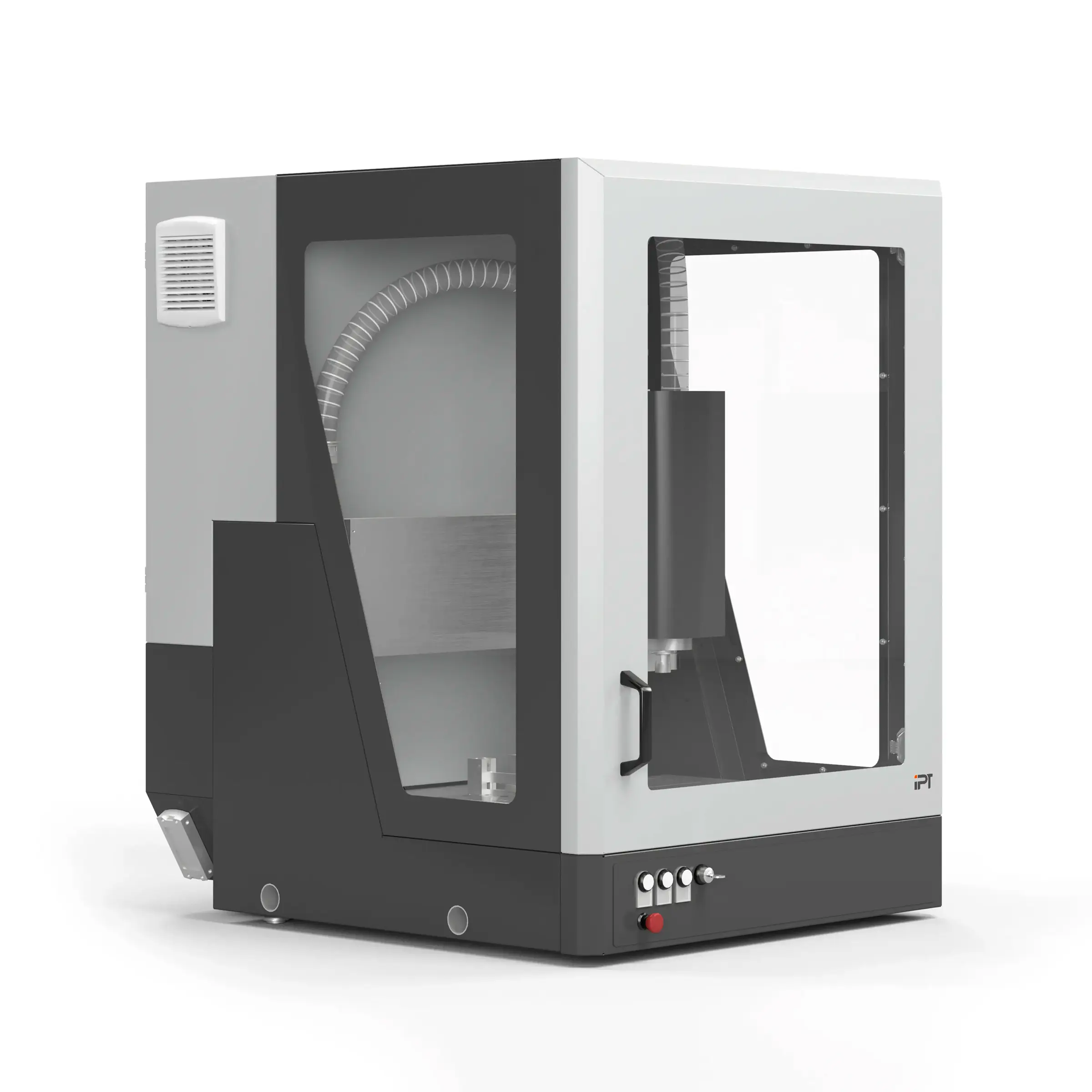
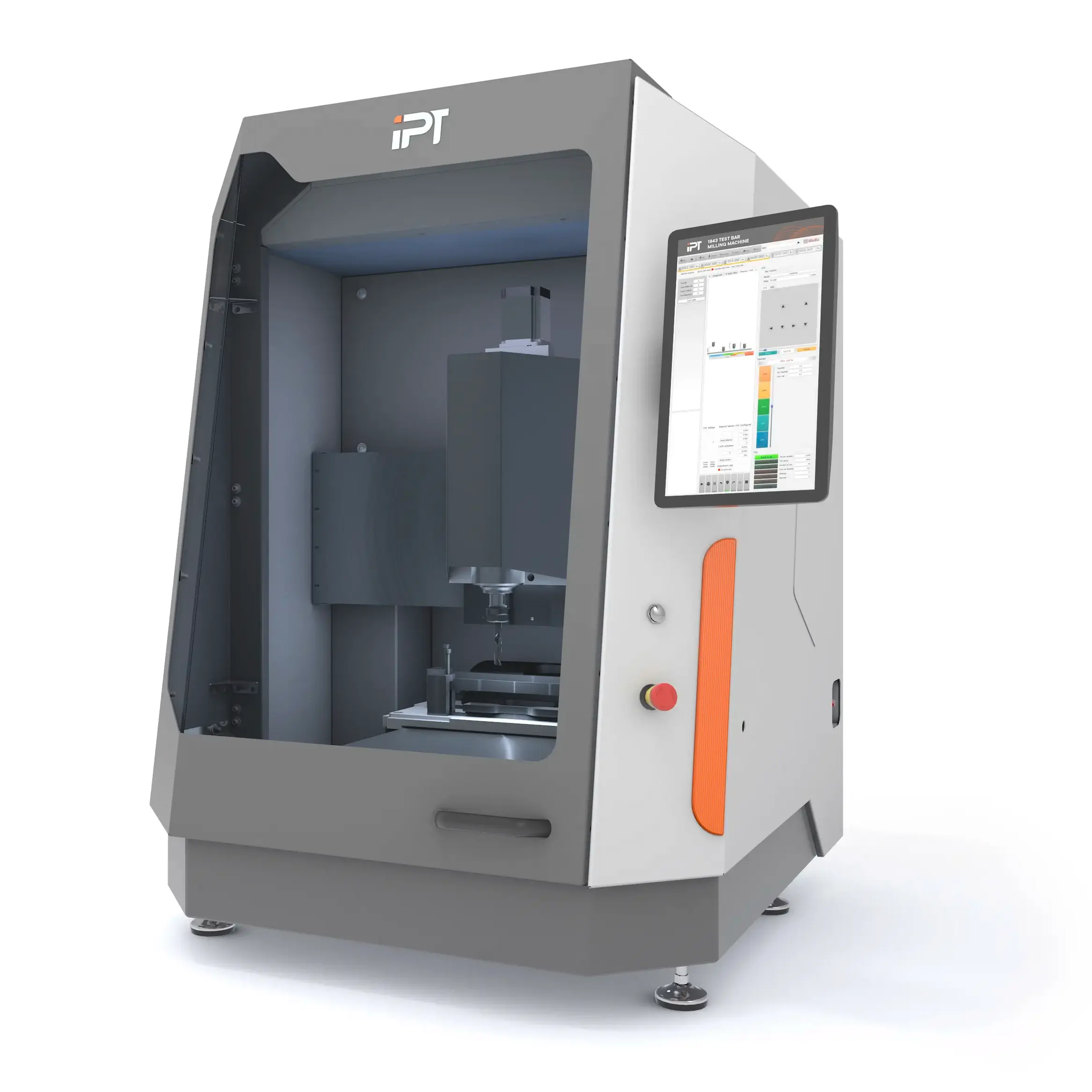
The CNC test bar milling machine enables bar-shaped plastic samples to be produced for tension, pressure, bending and flexural impact tests in accordance with a wide range of standards.
The CNC test bar milling machine enables bar-shaped plastic samples to be produced for tension, pressure, bending and flexural impact tests in accordance with a wide range of standards.
The laboratory granulator was developed for the production of granulates from plastic pipe slices or plastic sheets, for example for the determination of MFR/MVR values.
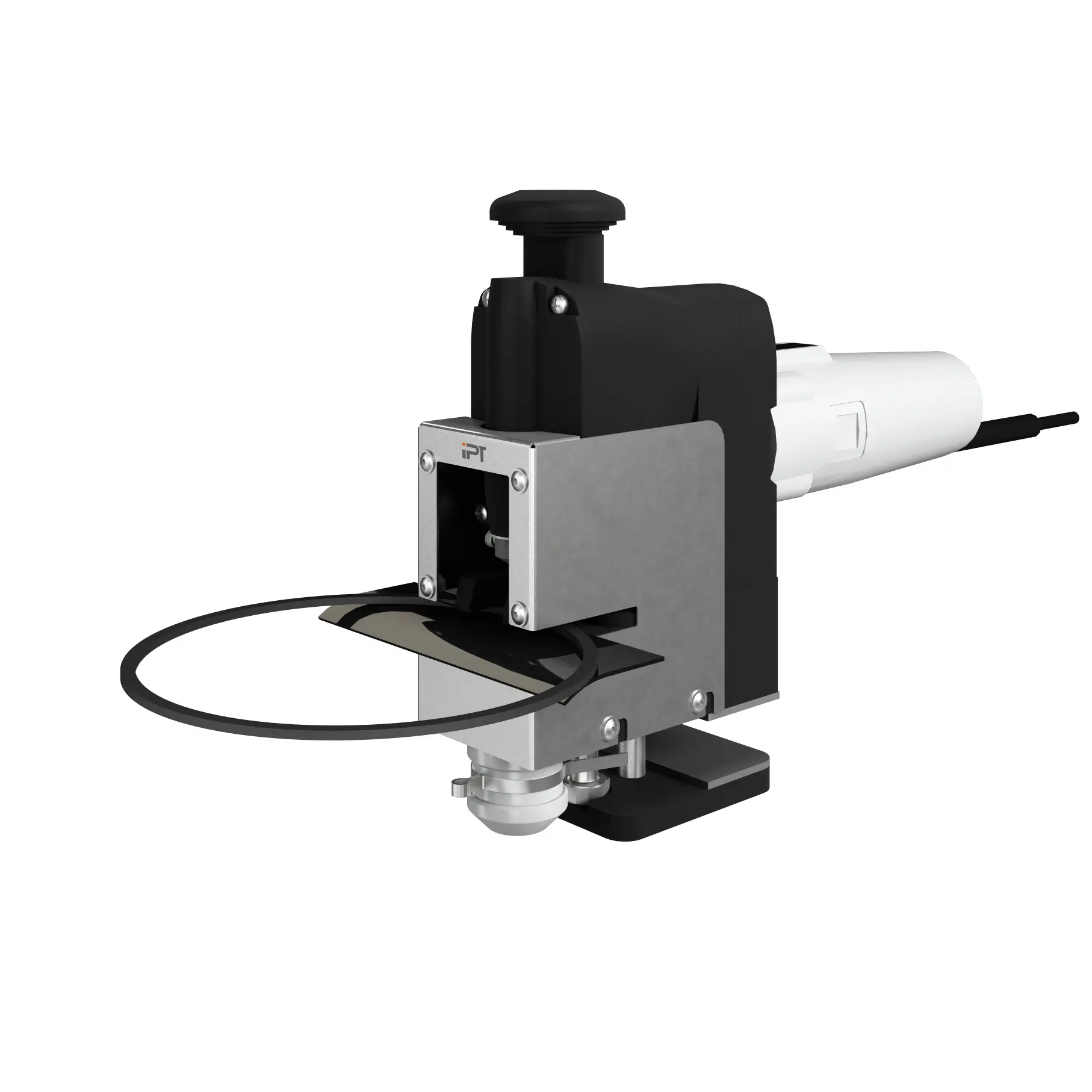
The newly developed Model 1808 electric notching device from IPT is designed for fast and precise notching of test bars for FNCT testing in accordance with ISO 16770.
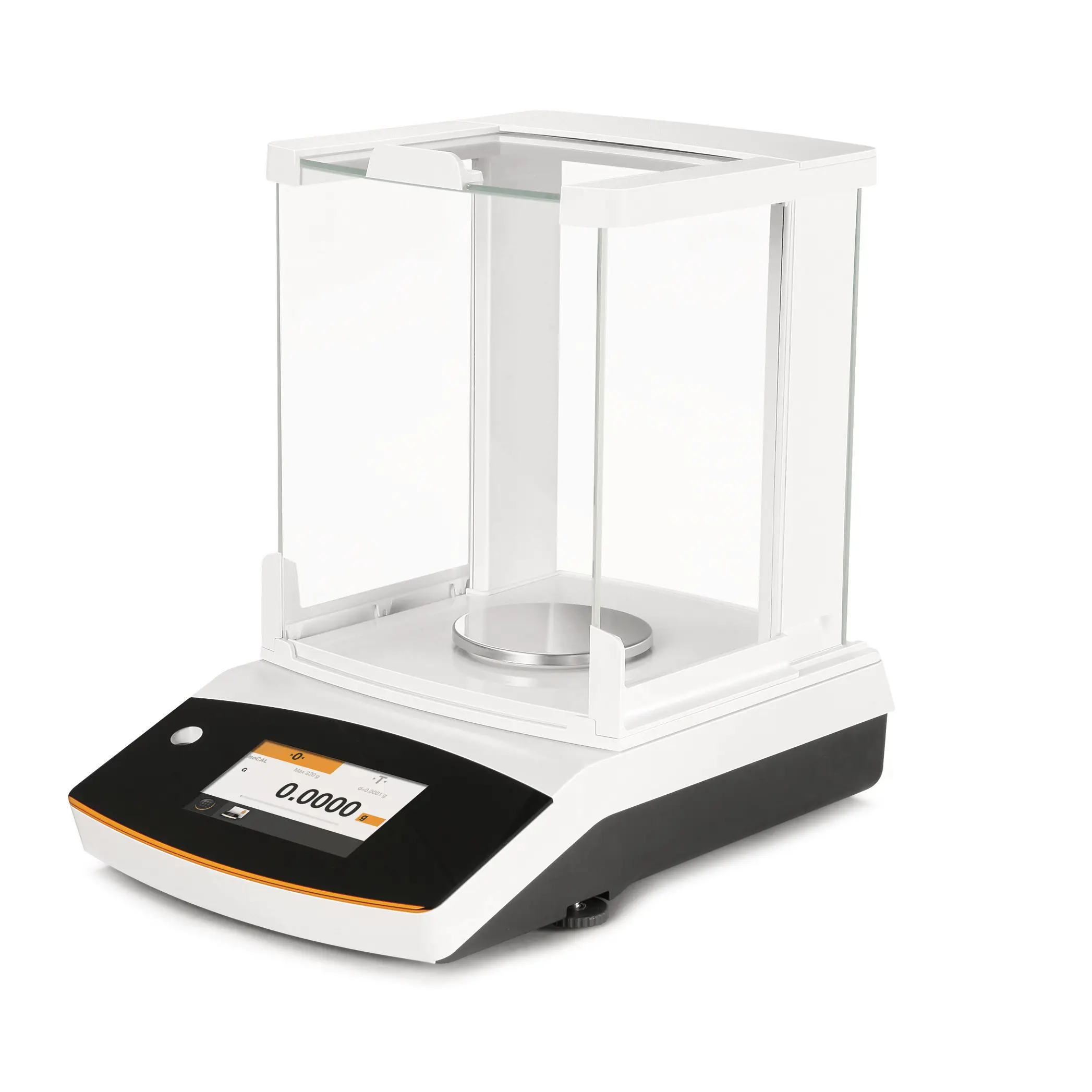
The analytical balance is required in every test laboratory. It is used to precisely determine important values such as MFR, carbon black content, K-value, degree of crosslinking, OIT, volatile components, water absorption and similar.
The digital laboratory sieving machine allows you to easilyand accurately determine the fineness and particle size distribution of all dust-like, powdery or granular products.
This tester is used to determine the density of plastics according to the buoyancy method. The complete set consists of a beaker, thermometer, glass plummet for determining the liquid density, submerged filter and submerged contactor.
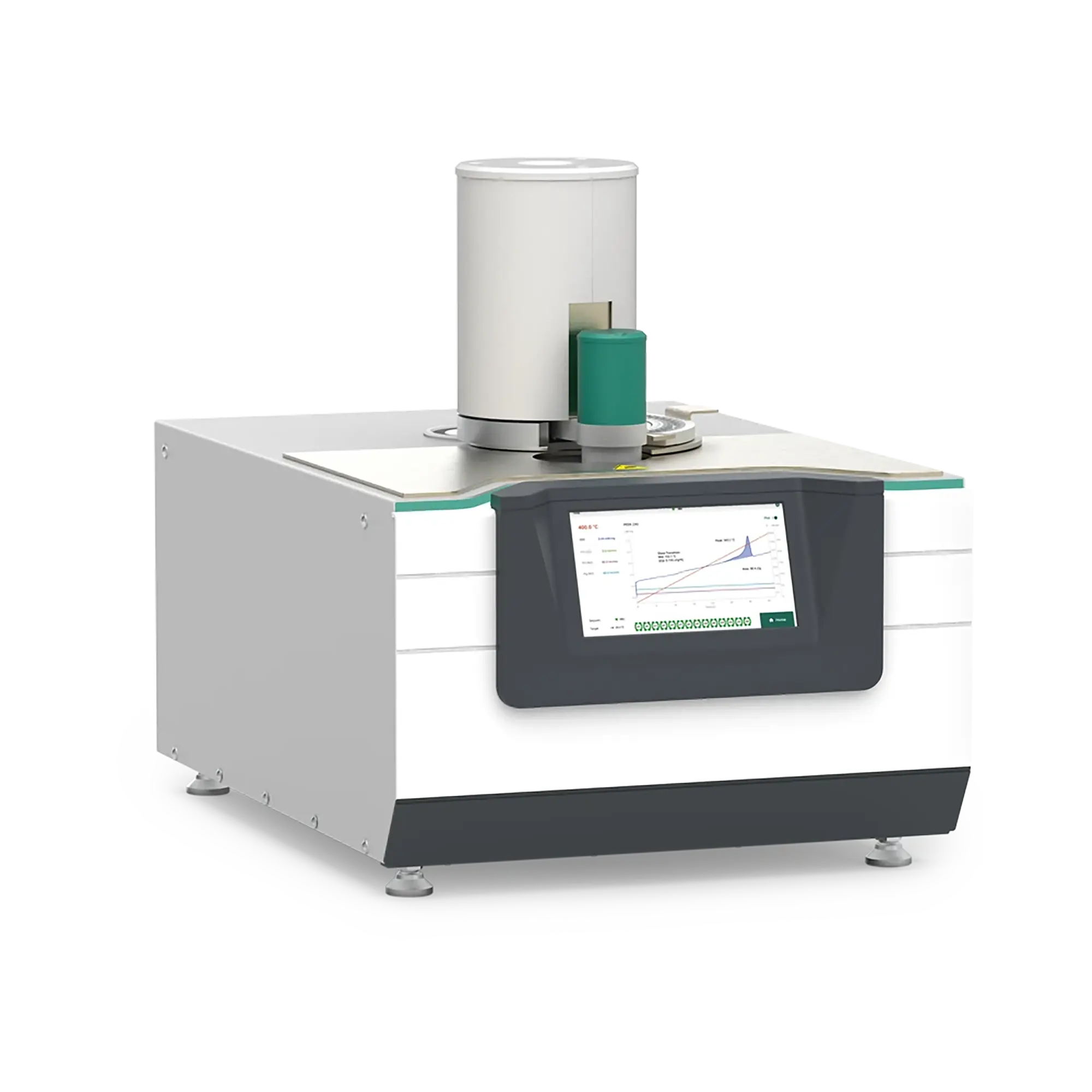
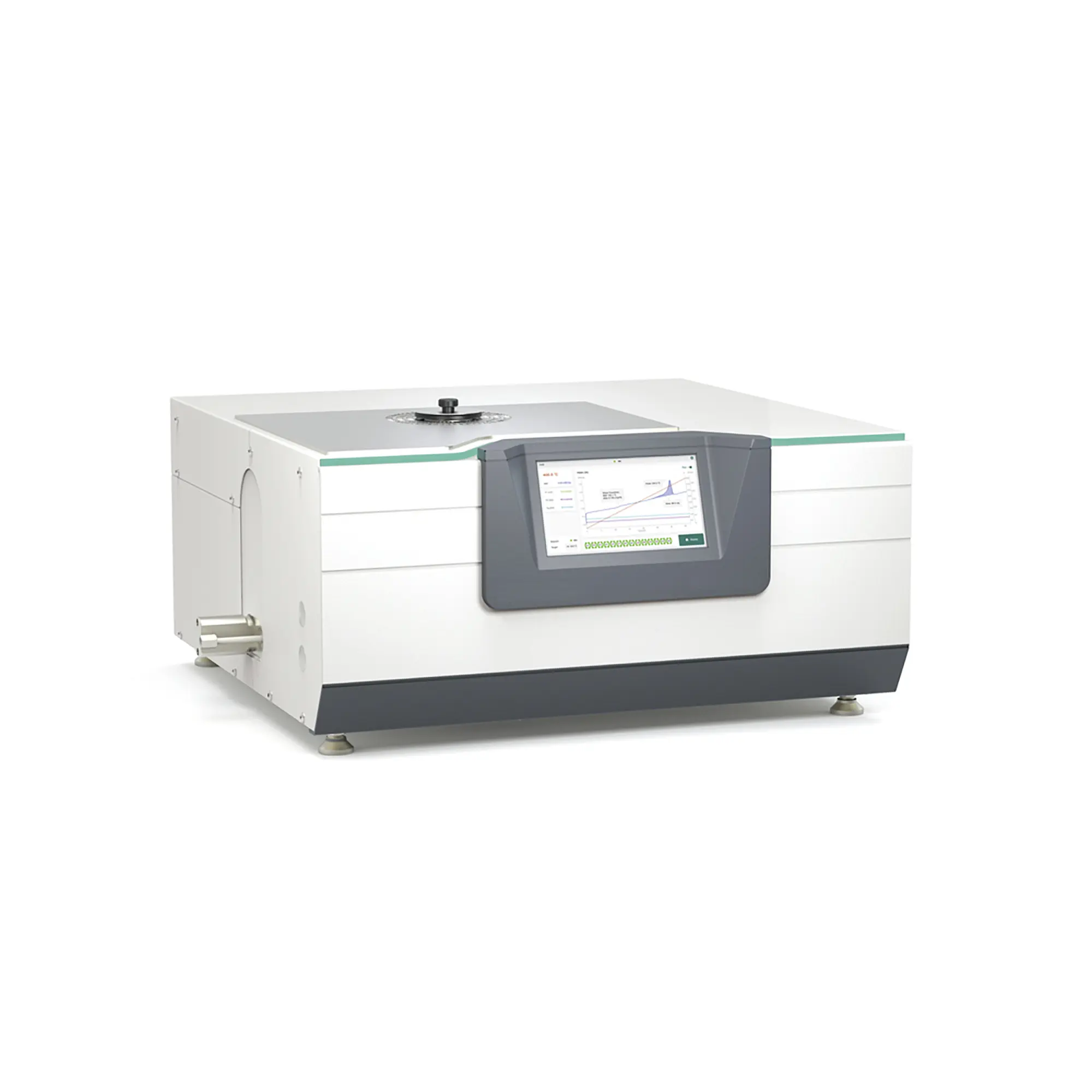
The device operates according to the heat flow principle. In this method, a sample and a reference are subjected to a controlled temperature programme (heating, cooling or isothermal).
Dynamic differential calorimeter for determining the oxidation induction time for plastic piping and protective pipe systems, as well as fittings made of polyolefins.
The unit for determination of volatile matter is designed for determining the content of material volatile at 105 °C in polyethylene (PE) piping materials. This method is applicable to moulding and extrusion materials. It also can be applicable to components in PE piping systems.
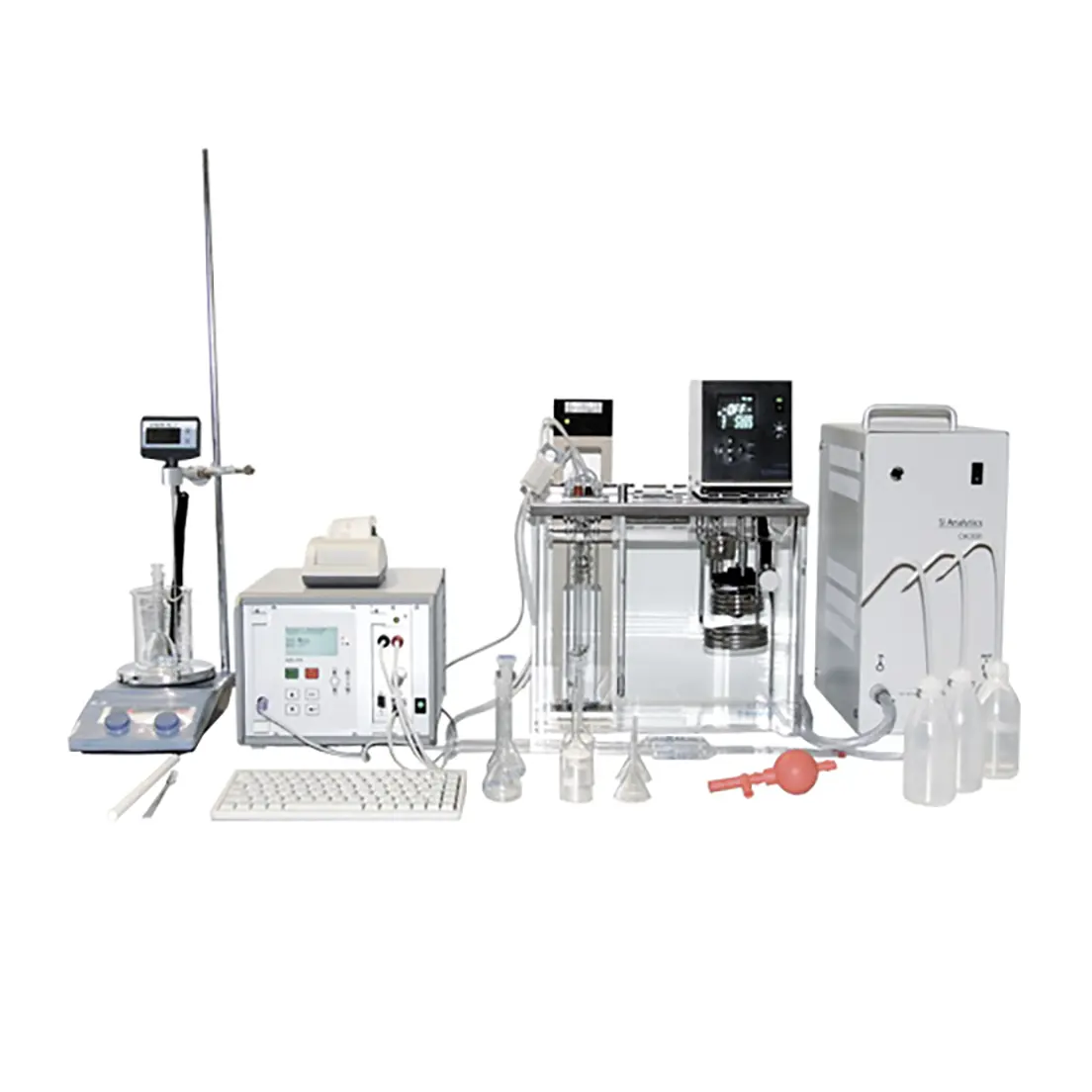
The test is used to determine the K value of PVC in a diluted solution at a temperature of 25 °C. The K value provides information for characterising the polymerisation of VC polymers.
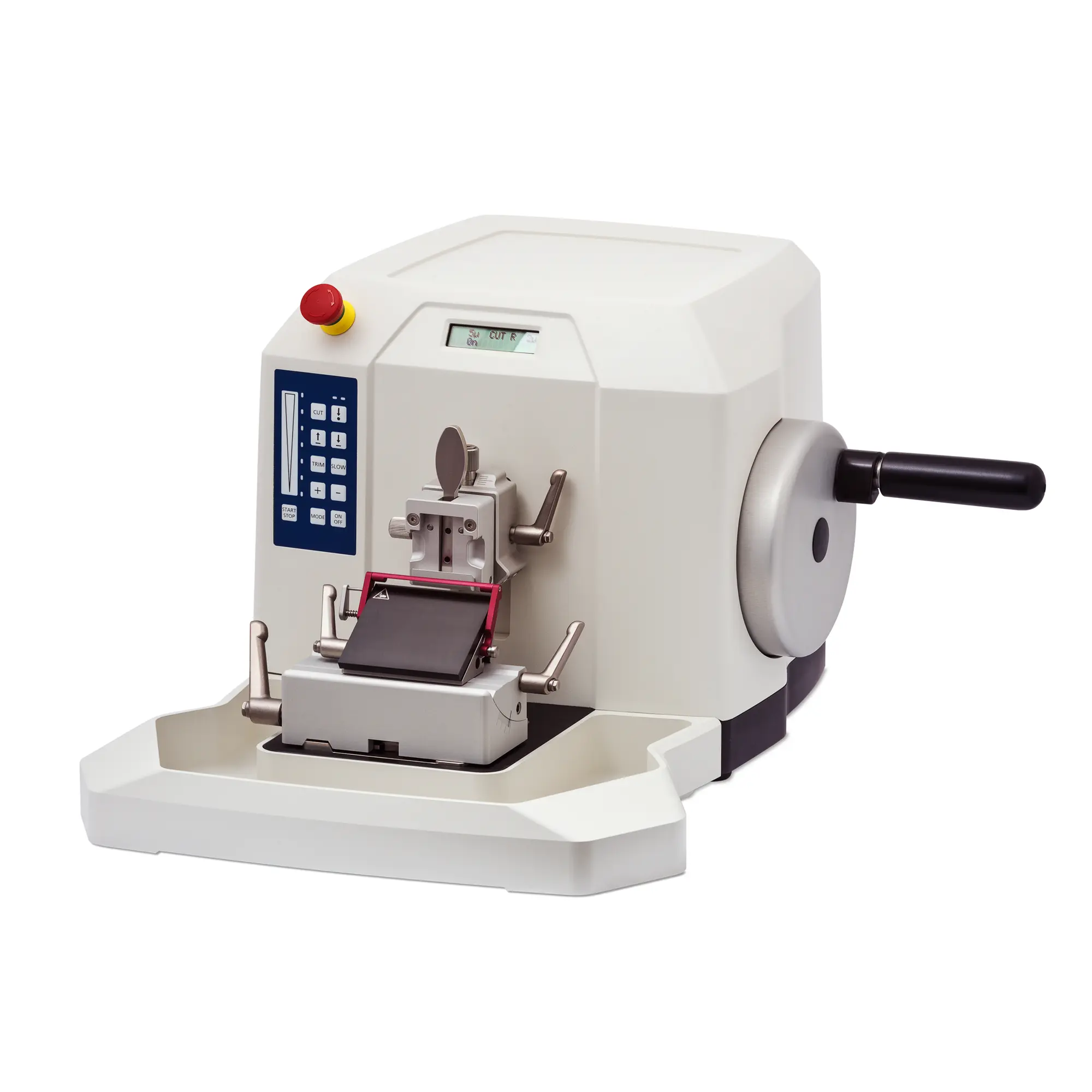
The microtome is used to cut very thin slices from a sample material in order to subsequently assess the degree of pigment and carbon black dispersion in polyolefin pipes and fittings.
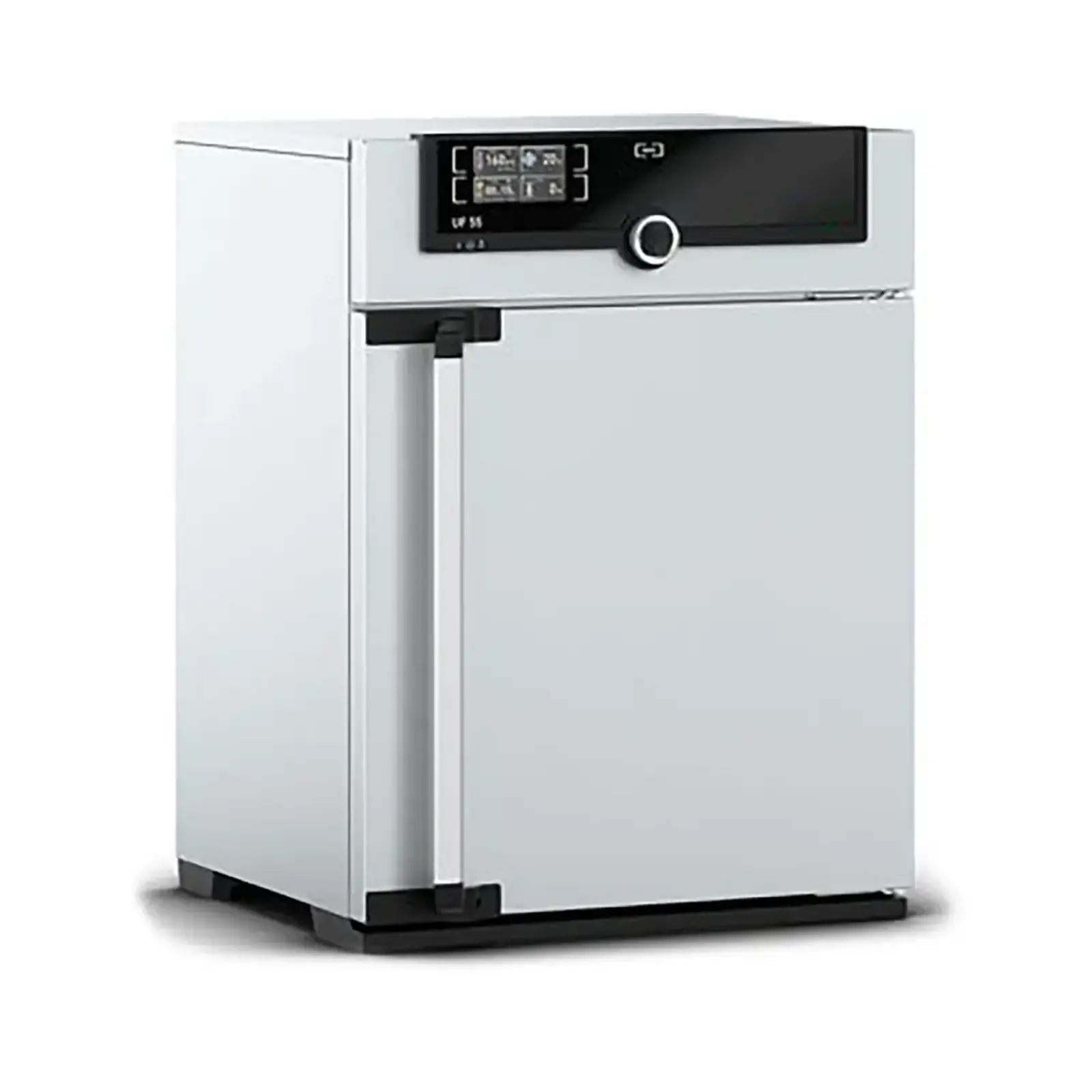
The circulating air oven is used to condition specimens according to the dimensional change of pipes and also as a drying oven (e.g. for determining the degree of crosslinking, water absorption, etc.).
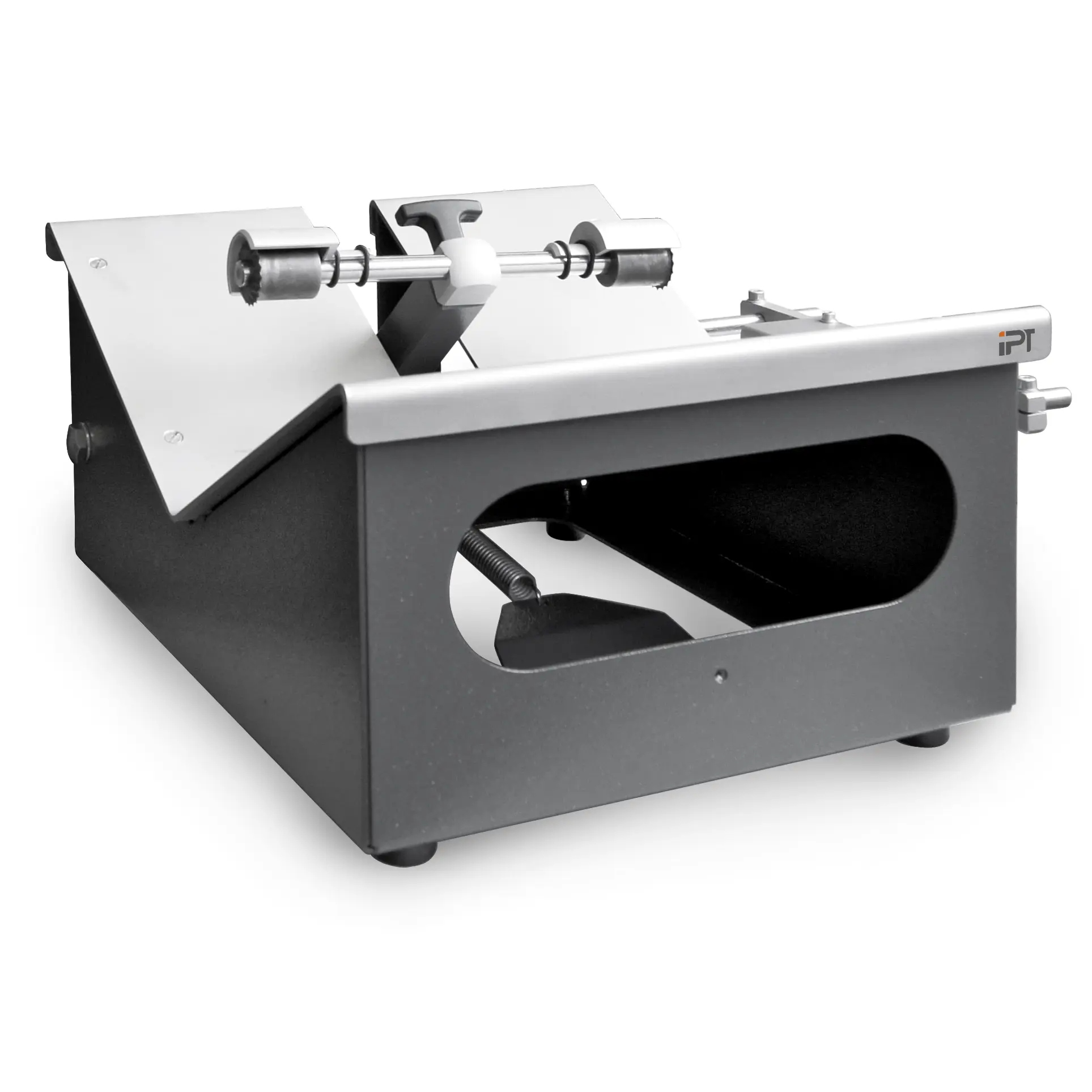
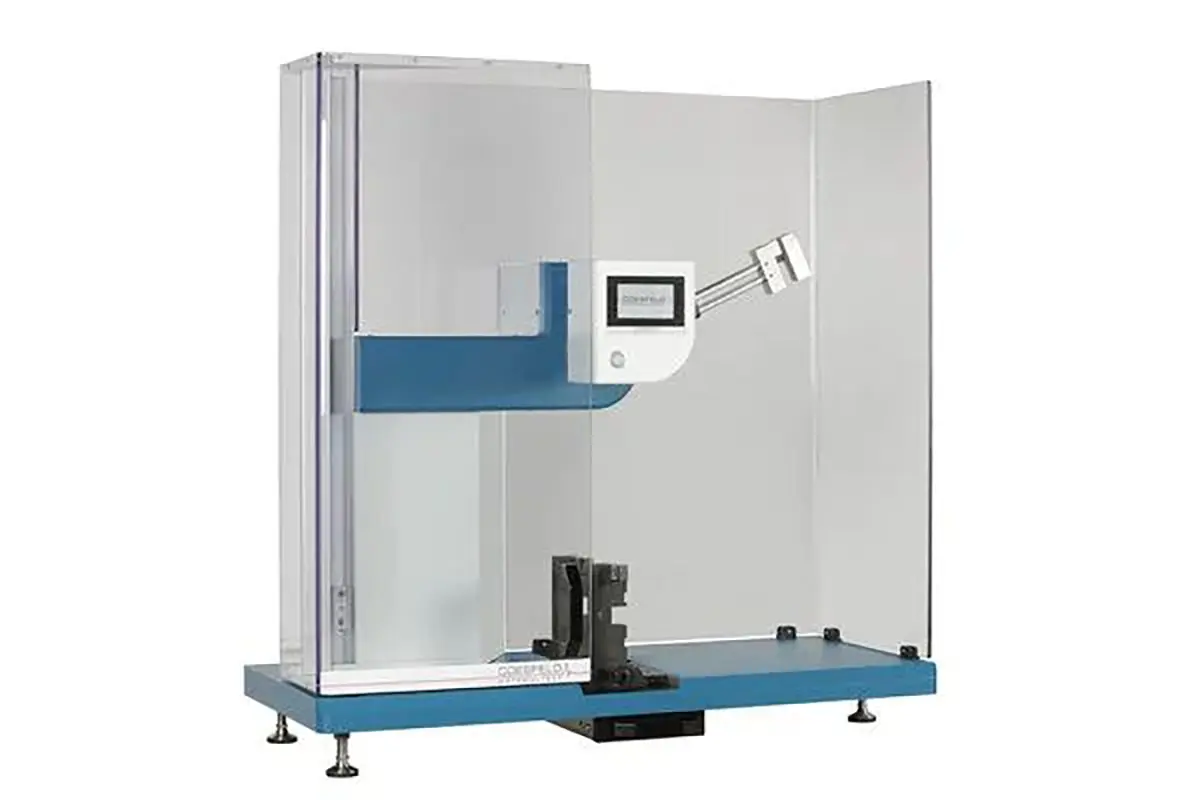
The pendulum impact tester enables testing across the entire spectrum of plastic impact testing, Charpy, Izod, impact and Dynstat in accordance with ISO and ASTM standards.
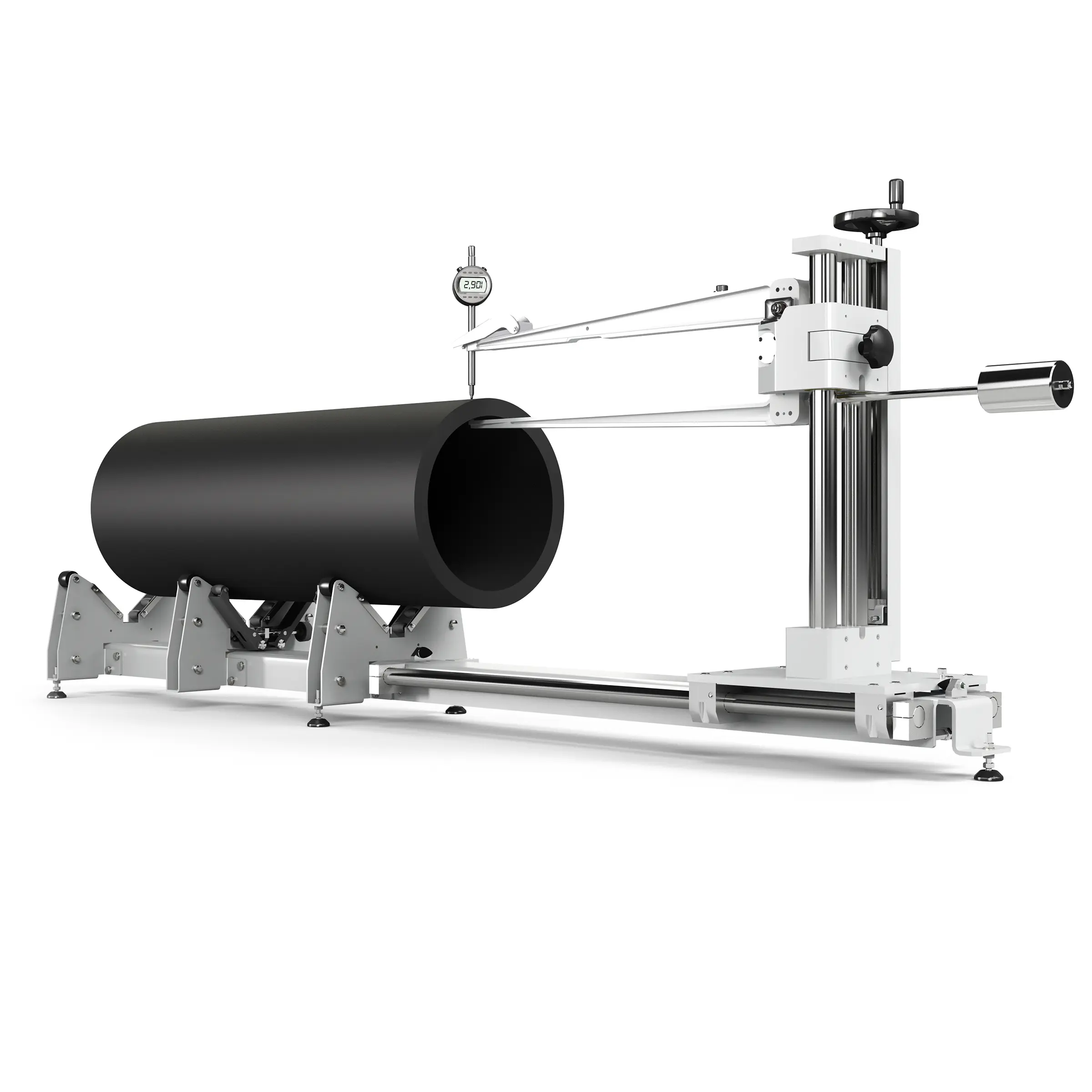
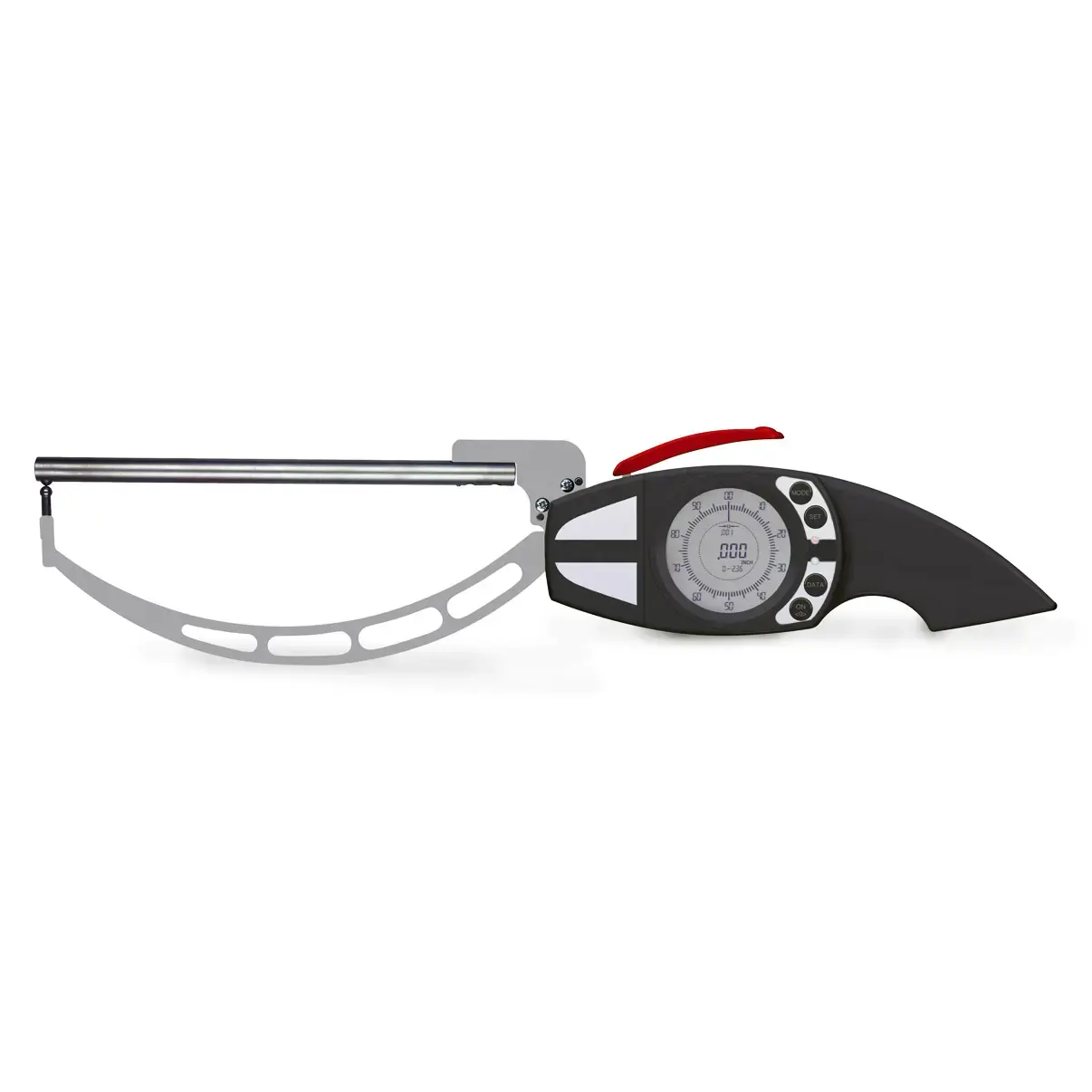
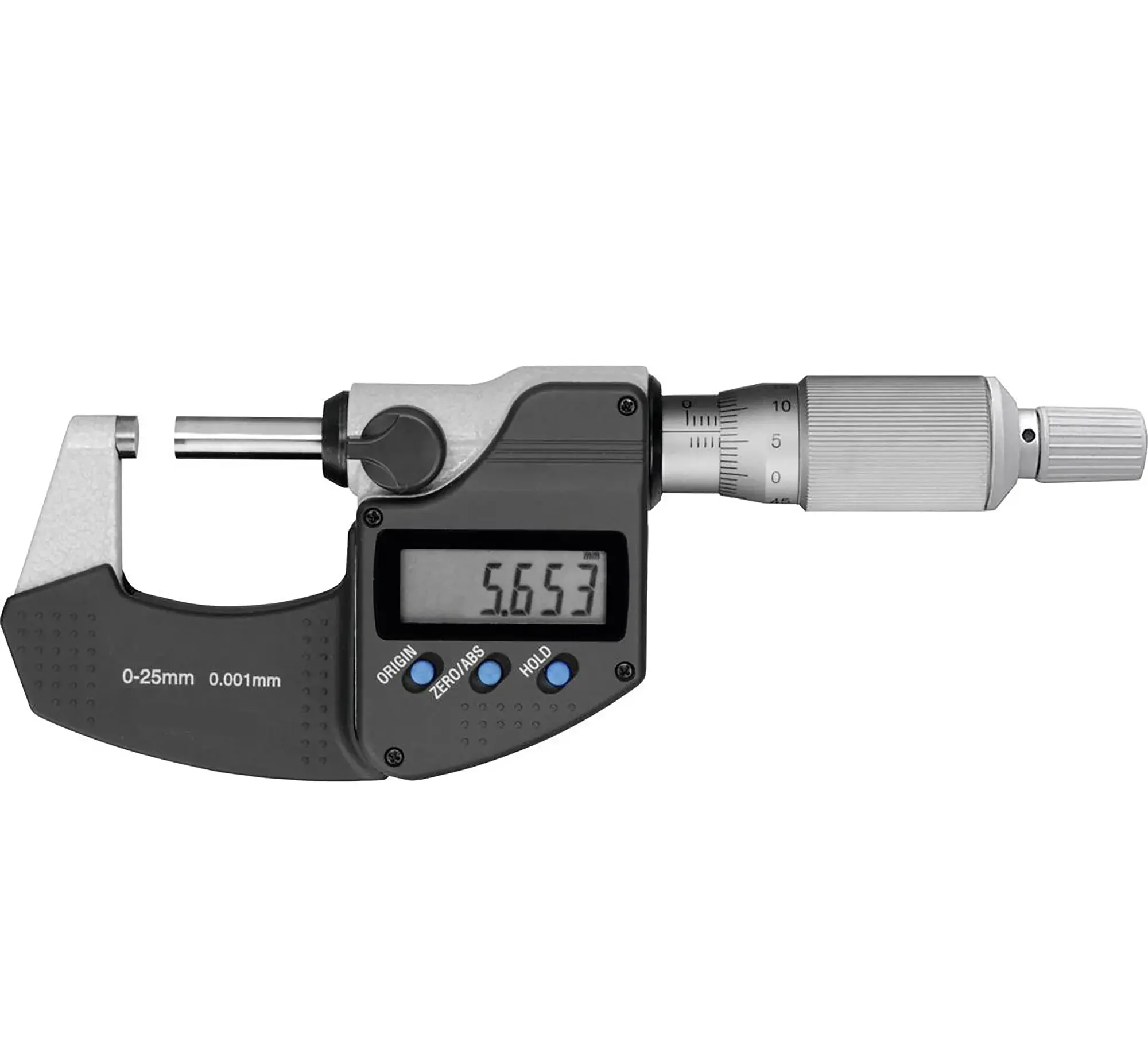
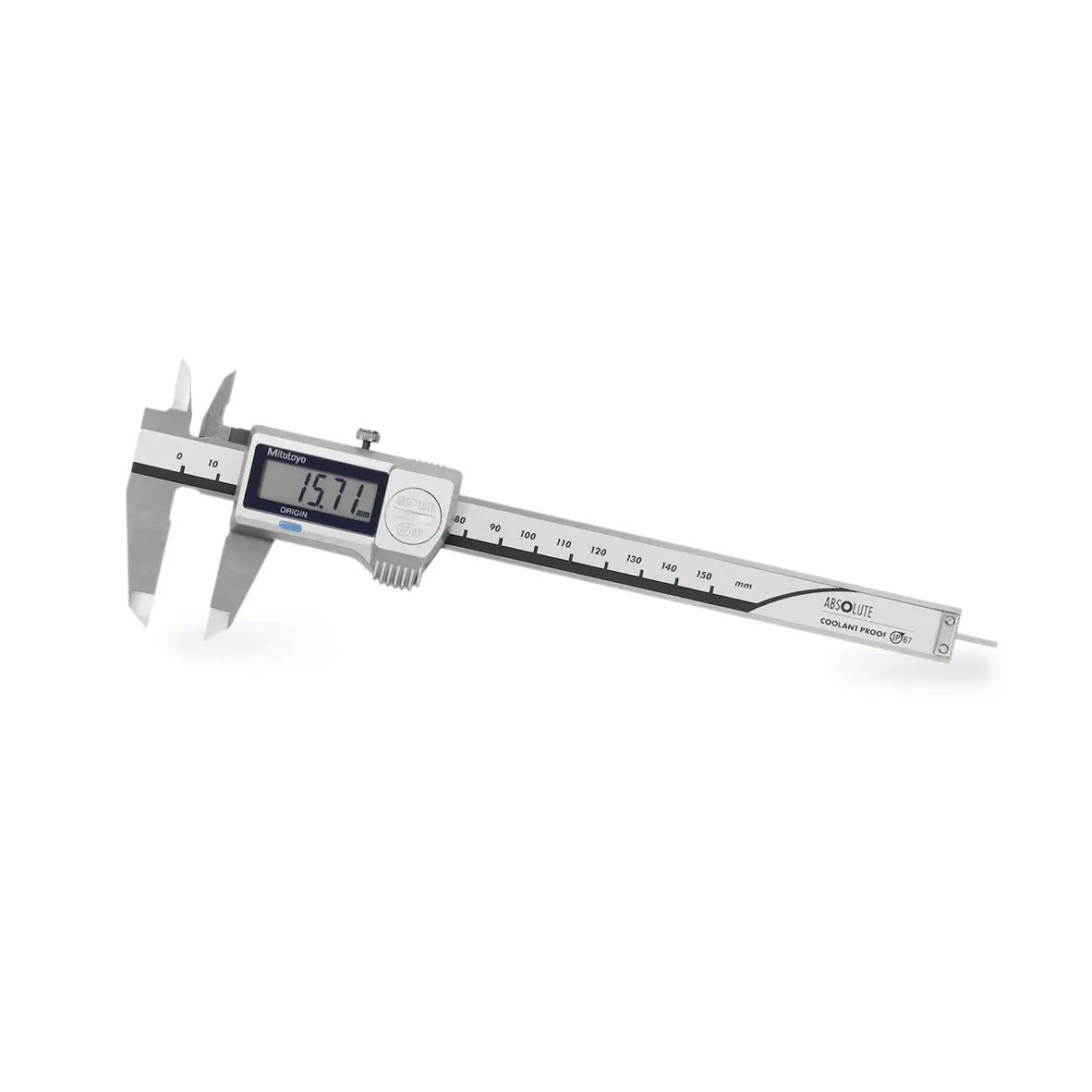
The outside caliper enables the wall thickness of pipes and fittings to be measured quickly and easily. With the help of the inside caliper, an internal three-point measurement can be carried out quickly and easily.
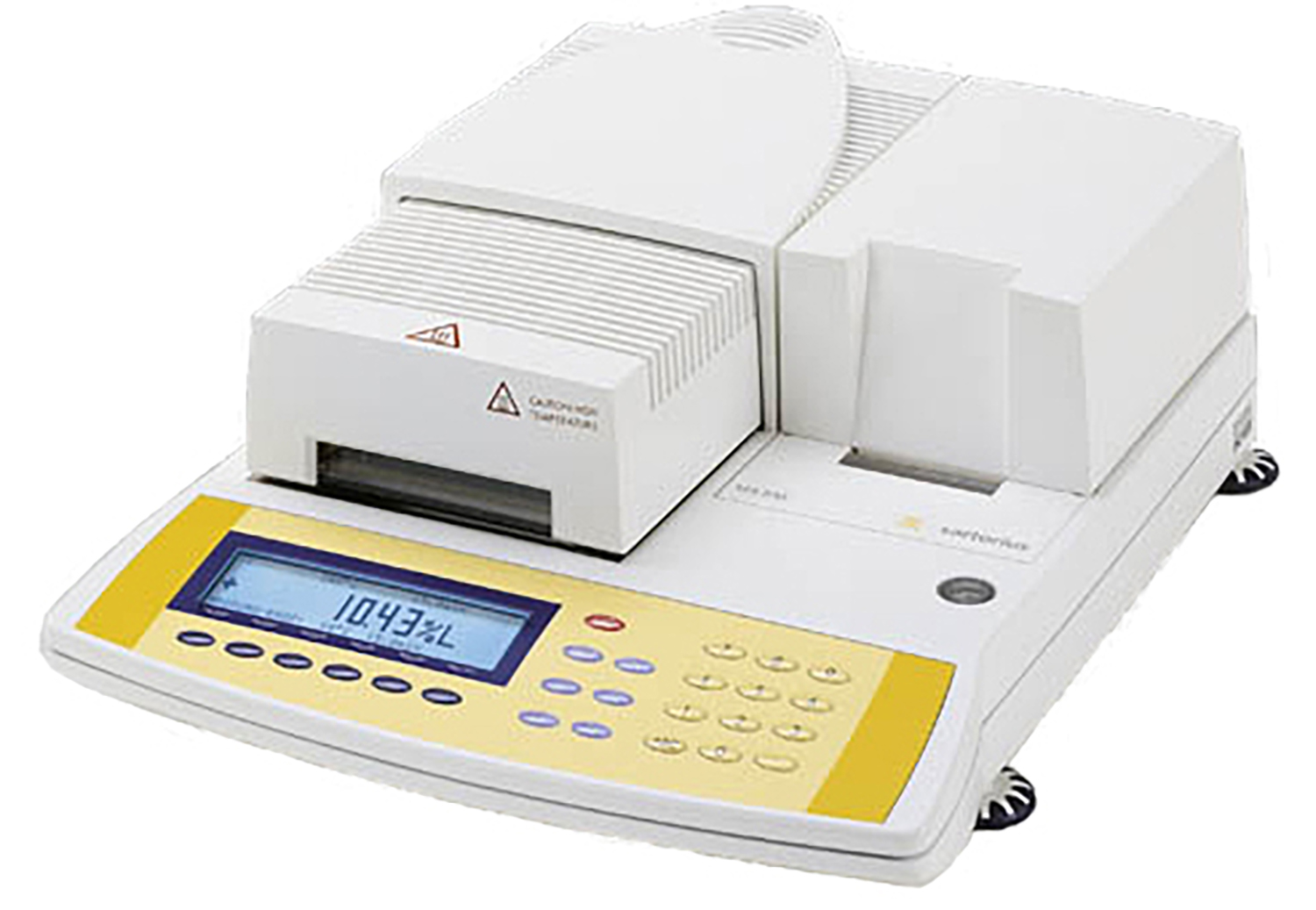
The tester for determining moisture content is used to quickly and reliably determine the material moisture content of liquid, paste-like and solid substances according to the thermogravimetric method.
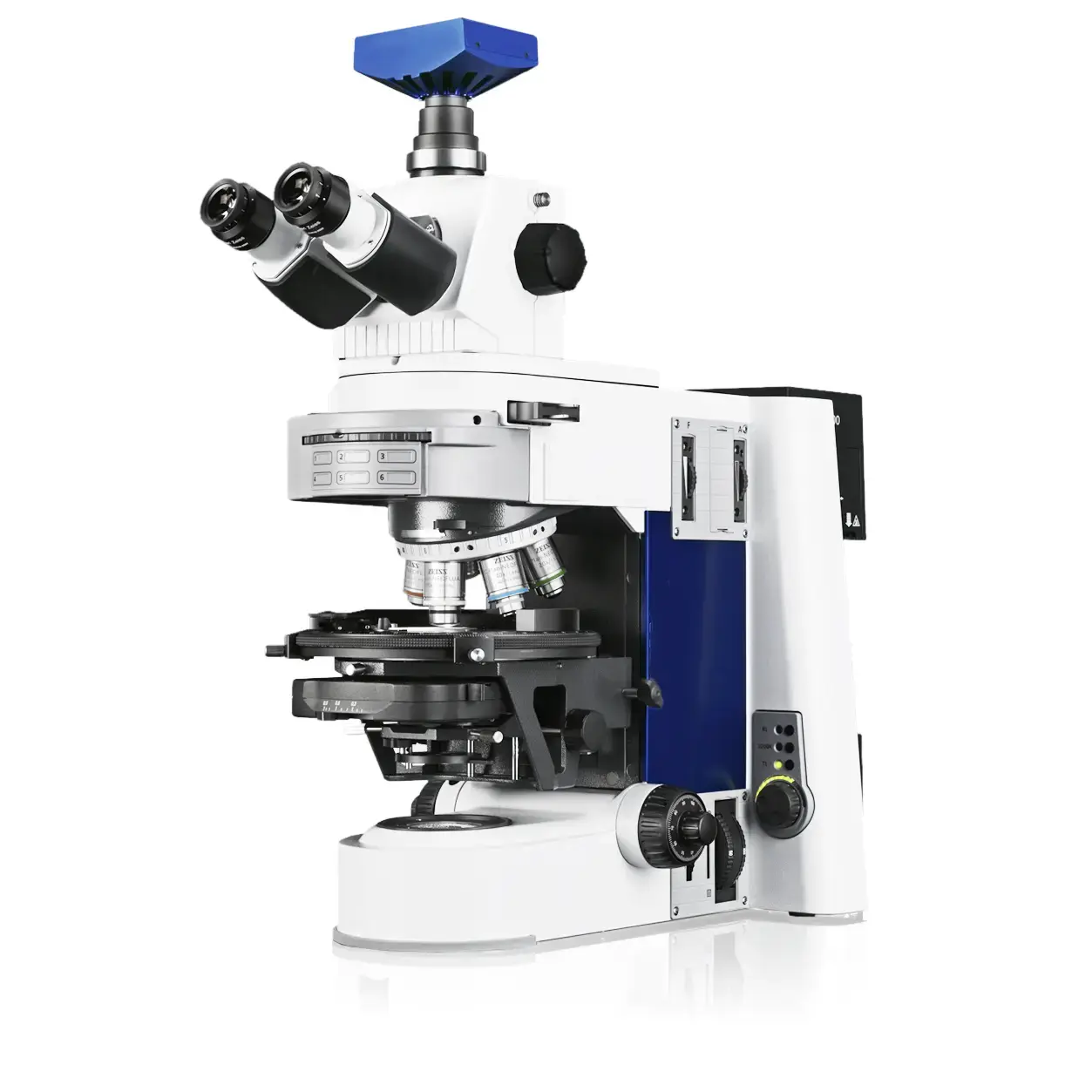
According to the method for the assessment of the degree of pigment and carbon black dispersion in polyolefin pipes, fittings and compounds, a microscope is required to examine the particles and agglomerates in the test sample.
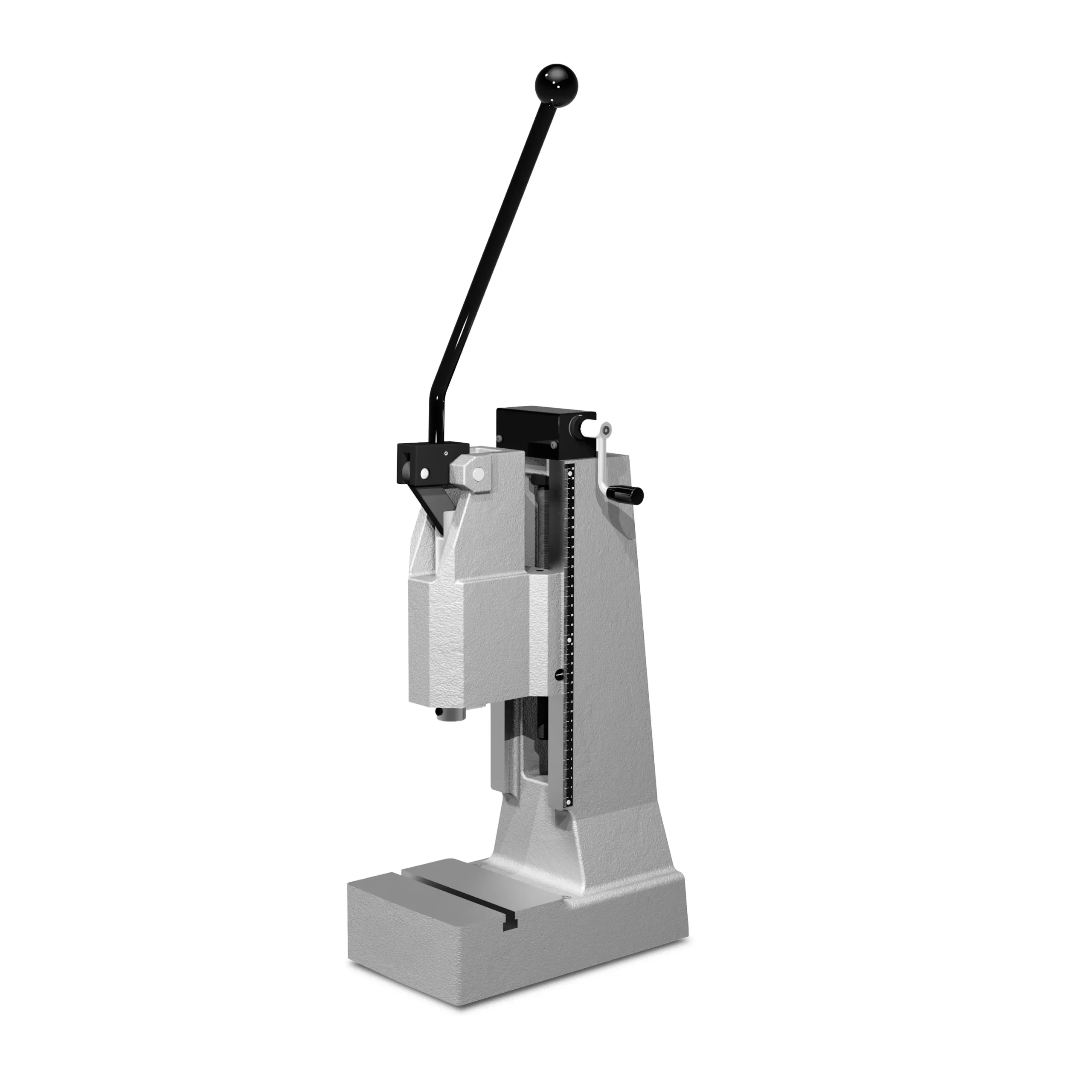
The extra-strong manual cutting presses in the H3031-0100/-0101 series are suitable for preparing test samples from various materials, such as rubber, foam, films and other plastics.